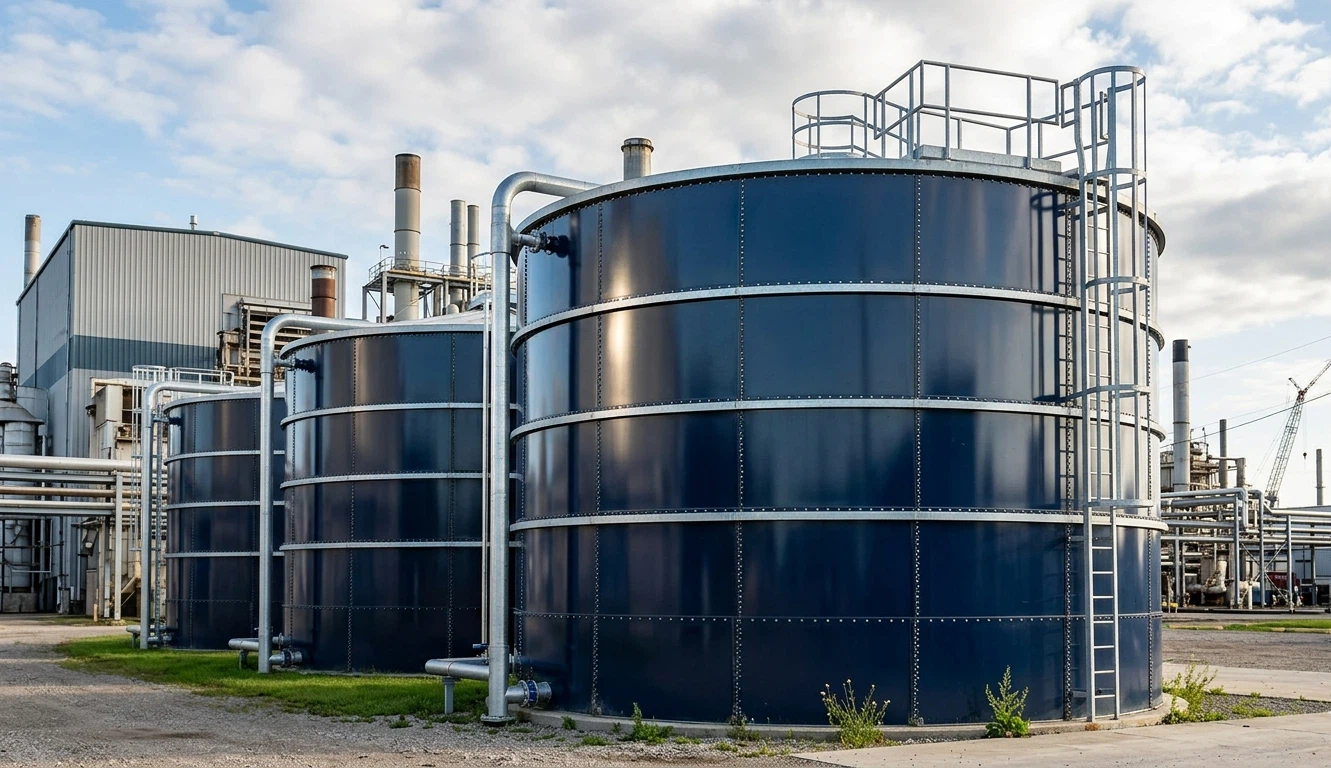
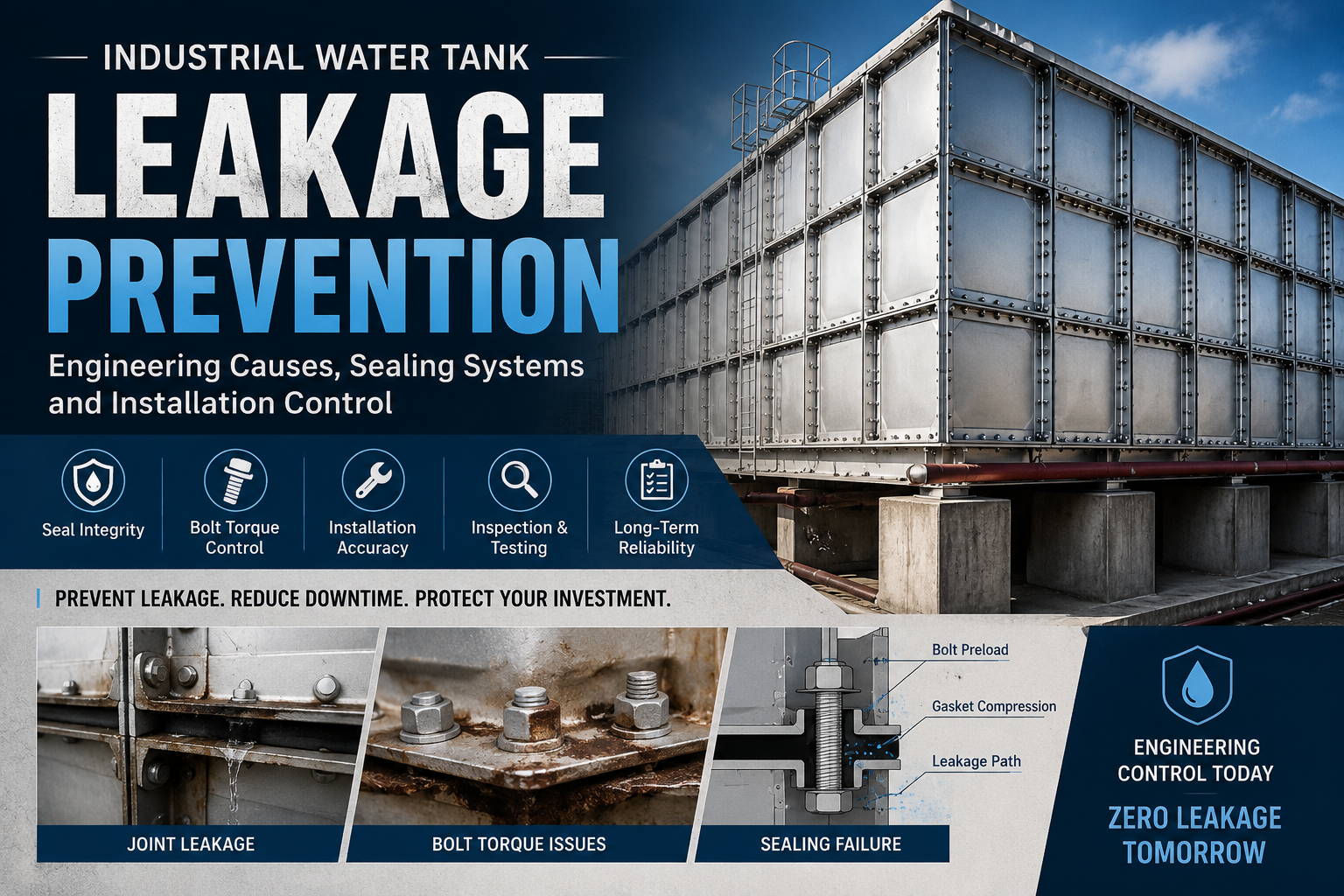
A water storage tank plays a critical role in residential, agricultural, and industrial water systems. From rainwater harvesting and irrigation to fire protection and emergency supply, these tanks help ensure a reliable water source whenever it is needed.
However, selecting the right water storage tank requires more than simply choosing the largest available capacity. Tank material, installation environment, water quality requirements, and long-term durability all influence how well a tank performs over time.
This guide explains the most common tank types and provides practical advice to help you choose the most suitable water storage tank for your specific application.
جدول المحتويات
What Is a Water Storage Tank
A water storage tank is a container designed to store water safely for later use. These tanks are widely used in homes, farms, factories, and municipal infrastructure systems to maintain a consistent water supply.
A properly selected water storage tank helps improve water management efficiency, protects water quality, and reduces the risk of supply interruptions.
Common Types of Water Storage Tanks
Understanding the characteristics of different tank materials is an important step when choosing a water storage tank.
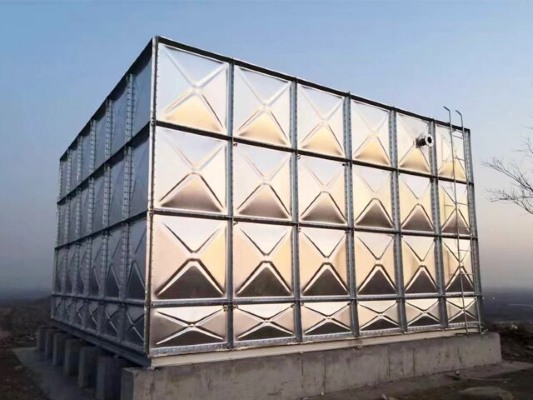
A Galvanized Water Tank is made from steel coated with a protective zinc layer. This coating improves corrosion resistance and helps extend the service life of the tank.
These tanks are widely used in agricultural irrigation systems, fire protection systems, and industrial facilities because they offer strong structural performance at a relatively affordable cost.
To ensure long-term reliability, periodic inspection is recommended. For example, users may monitor coating condition and corrosion levels as part of regular صيانة خزانات المياه المجلفنة.
خزان مياه من الفولاذ المقاوم للصدأ

A Stainless Steel Water Tank is commonly used for drinking water storage because stainless steel provides excellent corrosion resistance and hygienic properties.
The smooth internal surface helps prevent bacterial growth, making stainless steel tanks suitable for residential buildings, hospitals, and food processing facilities.
Although stainless steel is highly durable, routine cleaning and inspection remain important. If you want to learn more about cleaning procedures and inspection routines, our guide on صيانة خزانات المياه المصنوعة من الفولاذ المقاوم للصدأ provides additional information.
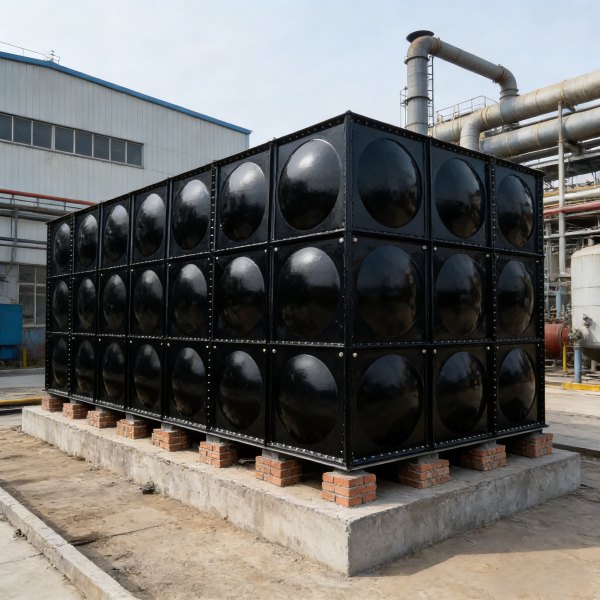
Enamel Water Tanks consist of steel panels coated with a glass-like enamel layer that protects the metal surface from corrosion.
These tanks are often used in municipal water infrastructure and large-scale water supply projects because they combine durability with strong corrosion protection.
To maintain the protective coating, regular inspection is recommended. Our article on Enamel Water Tanks maintenance explains how operators can protect the enamel surface and ensure long-term performance.
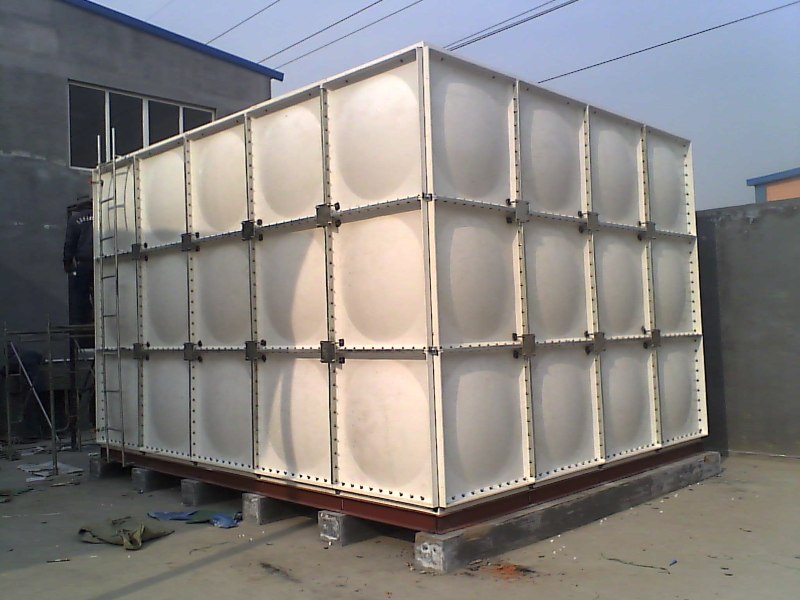
A Fiberglass Water Tank is lightweight, corrosion-resistant, and relatively easy to install. These tanks perform well in humid environments or locations where metal tanks may be exposed to chemical corrosion.
Fiberglass tanks are commonly used in industrial facilities and coastal regions. Routine structural inspections are recommended to ensure stability, and our Fiberglass Water Tank maintenance guide outlines practical steps to help extend the lifespan of these tanks.
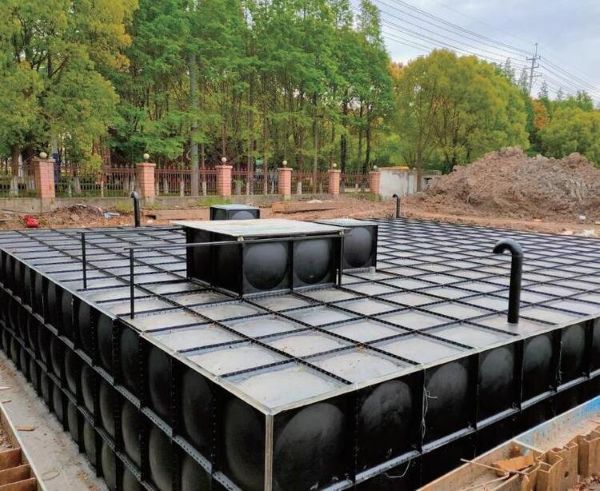
An Underground Water Tank is installed below ground level, making it an excellent option when land space is limited or when the tank should remain visually unobtrusive.
These tanks are widely used for rainwater harvesting and backup water storage systems. Because underground tanks are exposed to soil pressure and environmental conditions, proper صيانة خزانات المياه الجوفية is important for maintaining safety and water quality.
How to Choose the Right Water Storage Tank
Selecting the right water storage tank depends on several practical factors. Understanding these factors can help ensure that the tank meets both current and future water storage needs.
Consider the Water Usage
The first step is to determine how the stored water will be used. Drinking water systems often require materials that provide high hygiene standards, while irrigation or industrial applications may prioritize durability and cost efficiency.
Evaluate the Installation Location
Installation location plays a major role in determining which water storage tank is most suitable.
Above-ground tanks are easier to install and inspect, while underground tanks are often selected when space is limited or when the tank must be protected from environmental exposure.
Estimate Required Capacity
Choosing the correct capacity ensures that the water storage tank can support daily demand while providing additional reserves for emergencies or peak usage periods.
Residential systems typically require smaller tanks, while farms and industrial facilities may require significantly larger storage capacity.
Which Water Storage Tank Is Best for Your Application
Different applications often require different tank materials. The following recommendations can help users select the most appropriate water storage tank.
A Stainless Steel Water Tank is often the preferred choice due to its corrosion resistance and hygienic properties.
For Agricultural and Irrigation Systems
A Galvanized Water Tank is commonly used because it offers strong durability and cost-effective storage for large water volumes.
For Industrial or Chemical Environments
A Fiberglass Water Tank can provide strong resistance to corrosion and chemical exposure.
For Municipal or Infrastructure Projects
Enamel Water Tanks are often used because they combine durability with excellent corrosion protection.
For Rainwater Harvesting Systems
An Underground Water Tank can be an efficient solution when space is limited and water needs to be stored discreetly.
Water Storage Tank Materials Comparison
| نوع الخزان | متانة | Maintenance Level | التطبيقات الشائعة |
|---|---|---|---|
| خزان مياه مجلفن | عالي | معتدل | Agriculture, irrigation |
| خزان مياه من الفولاذ المقاوم للصدأ | عالية جدًا | قليل | Drinking water systems |
| خزانات مياه مطلية بالمينا | عالي | قليل | Municipal infrastructure |
| خزان مياه من الألياف الزجاجية | عالي | قليل | Industrial environments |
| خزان مياه تحت الأرض | عالي | معتدل | تجميع مياه الأمطار |
خاتمة
Choosing the right water storage tank requires careful consideration of water usage, installation environment, tank capacity, and long-term durability. Each tank material offers different advantages depending on the operating conditions.
By understanding the strengths of galvanized, stainless steel, fiberglass, enamel, and underground systems, users can confidently select a water storage tank that provides safe water storage and reliable performance for many years.
Choosing the right industrial water tank is a critical decision for your project’s efficiency and safety. If you’re unsure which specifications fit your needs, Zhengling’s expert engineers are here to help. Click below to get a free technical consultation and a customized solution tailored to your requirements!
FAQ About Water Storage Tanks
What is the best material for a water storage tank
The best material depends on the intended use. Stainless steel tanks are often used for drinking water systems, while galvanized tanks are commonly used in agricultural and industrial applications.
How long does a water storage tank last
The lifespan of a water storage tank varies depending on the material and maintenance practices. Stainless steel tanks can last over 20 years, while galvanized and fiberglass tanks also provide long service life when properly maintained.
What maintenance does a water storage tank require
Most tanks require periodic inspection, cleaning, and monitoring for corrosion or structural damage. Maintenance practices vary depending on the tank material and installation environment.
Is an underground water storage tank safe
Yes, an underground tank is safe when properly designed and maintained. These tanks are widely used in rainwater harvesting systems and can provide reliable water storage when installed correctly.