جدول المحتويات
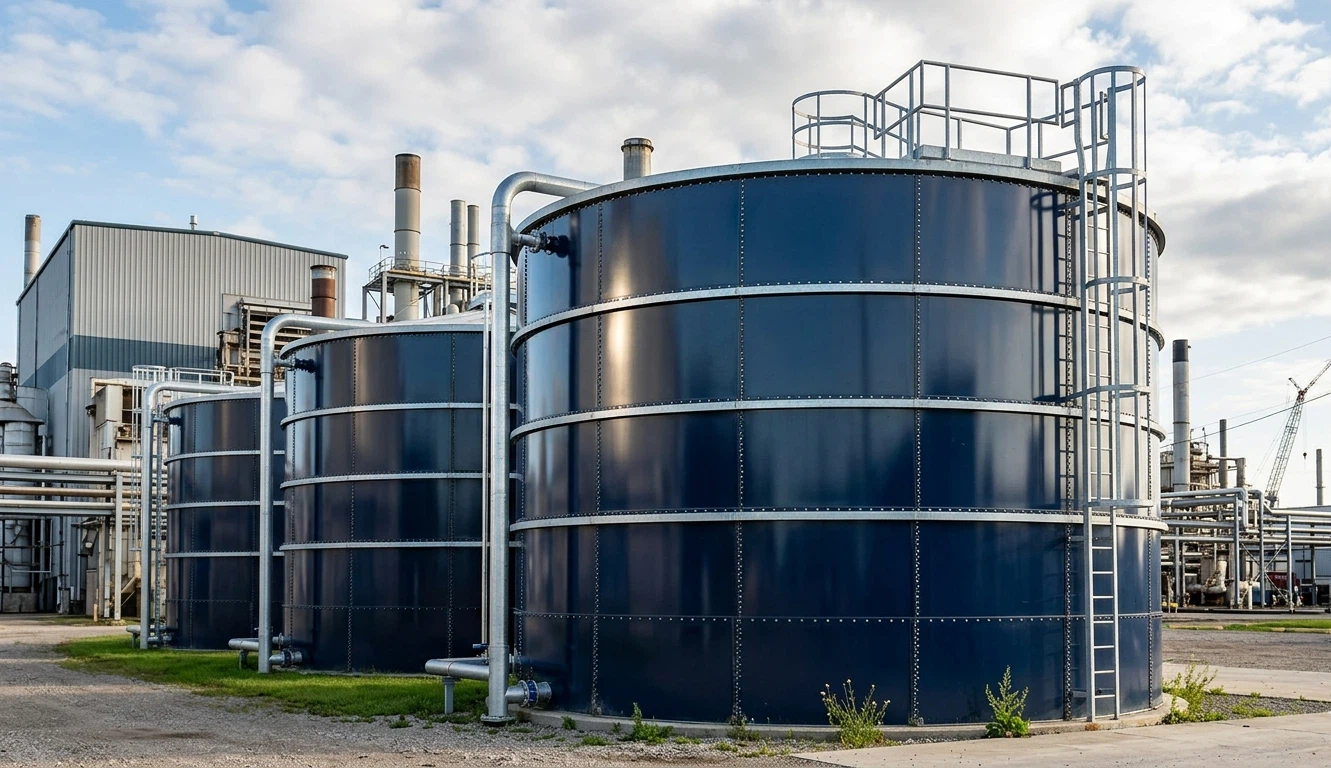
Fiberglass water tanks are a reliable and durable solution for storing water in a variety of settings, from residential homes to industrial applications. To ensure your fiberglass water tank remains in top condition and provides optimal performance, it’s important to follow regular maintenance practices. Proper fiberglass water tank maintenance can extend the tank’s lifespan, improve water quality, and prevent costly repairs. This article will guide you through the essential steps for keeping your fiberglass water tank in excellent shape.
What Is a Fiberglass Water Tank?
الألياف الزجاجية water tanks are made from a composite material that combines glass fibers and resin. This design makes them lightweight, corrosion-resistant, and durable, which is why they are widely used in a variety of applications, from drinking water storage to irrigation and firefighting systems. However, like all equipment, they require regular maintenance to keep them functioning properly.
Why Proper Fiberglass Water Tank Maintenance Matters
Regular fiberglass water tank maintenance is crucial to ensure the longevity and reliability of the tank. By performing routine inspections and cleaning, you can prevent issues such as leaks, bacterial growth, or sediment buildup, which can compromise water quality and cause costly damage.
Key Maintenance Tips for Your Fiberglass Water Tank
1.Regular Cleaning and Inspection
One of the most important aspects of fiberglass water tank maintenance is cleaning and inspecting the tank on a regular basis. It’s essential to clean the tank at least once every 6 months, or more frequently if the water is used for drinking or cooking. Here’s how you can do it:
- Empty the tank: Drain all the water from the tank before beginning the cleaning process.
- Clean the interior: Use a soft brush or sponge to clean the inside of the tank. Avoid using harsh chemicals that could damage the fiberglass surface.
- Check for sediment buildup: Over time, sediment and debris can accumulate at the bottom of the tank. Removing these impurities will help prevent clogging and ensure better water quality.
- Inspect for cracks or leaks: Check the exterior of the tank for any cracks or signs of damage. If you notice any, it’s important to repair them as soon as possible to prevent leaks.
2.Keep the Tank Covered
Exposure to the elements can take a toll on your fiberglass water tank. While fiberglass is naturally resistant to corrosion, prolonged exposure to UV rays can cause the material to degrade over time. To protect your tank, make sure it is covered with a UV-resistant tarp or store it in a shaded area. This will help preserve the integrity of the fiberglass and prevent premature wear and tear.
3.Monitor Water Levels
Excessive water levels or prolonged low water levels can put undue stress on the tank. Always monitor the water levels to ensure they stay within the recommended range. This not only helps preserve the structural integrity of the tank but also ensures that the water remains clean and fresh.
4.Preventing Algae Growth

Cover the tank to limit sunlight exposure.
Add an algae treatment or a disinfectant approved for use in water storage tanks.
Ensure proper ventilation: Proper airflow helps maintain a stable environment within the tank, reducing the risk of algae and bacteria buildup.
5.Check the Tank’s Drain and Overflow System
Your fiberglass water tank should have a properly functioning drain and overflow system. Regularly check these components for blockages or leaks. A clogged drain can cause water to overflow, leading to potential flooding and water damage. Ensure that the drainage system is free from debris and that the overflow valve is functioning properly.
6.Inspect the Tank’s Fittings and Valves
Fittings and valves are crucial components of any water storage system. Over time, they can become loose or damaged, leading to leaks or malfunctions. Check all connections, valves, and fittings regularly to ensure they are tight and secure. Replace any damaged parts to prevent water loss and maintain efficiency.
When to Call a Professional
While many aspects of fiberglass water tank maintenance can be performed by the owner, certain situations may require professional help. If you notice significant cracks, leaks, or damage to the tank’s structural integrity, it’s best to contact a specialist for repairs. Additionally, if you’re unsure about how to properly clean or disinfect your tank, a professional can provide guidance to ensure safe water storage.
Benefits of Proper Fiberglass Water Tank Maintenance
- Increased Lifespan: Regular maintenance ensures that your fiberglass water tank lasts longer, reducing the need for costly replacements.
- Improved Water Quality: Keeping the tank clean and free of contaminants ensures that the water stored remains safe and clean.
- Cost Savings: Preventing issues such as leaks or blockages can save you money in repair costs and water wastage.
- Efficient Performance: A well-maintained tank functions efficiently, providing a steady supply of water whenever needed.
خاتمة
Proper fiberglass water tank maintenance is essential to ensuring your tank remains in top condition and provides optimal performance for years to come. By regularly cleaning and inspecting the tank, preventing algae growth, and keeping the system free of clogs, you can extend the lifespan of your tank and improve water quality. Whether you are using your fiberglass water tank for residential, commercial, or industrial purposes, regular maintenance is key to maintaining its reliability and effectiveness.
If you want to learn more about Fiberglass Water Tank maintenance, please انقر هنا.