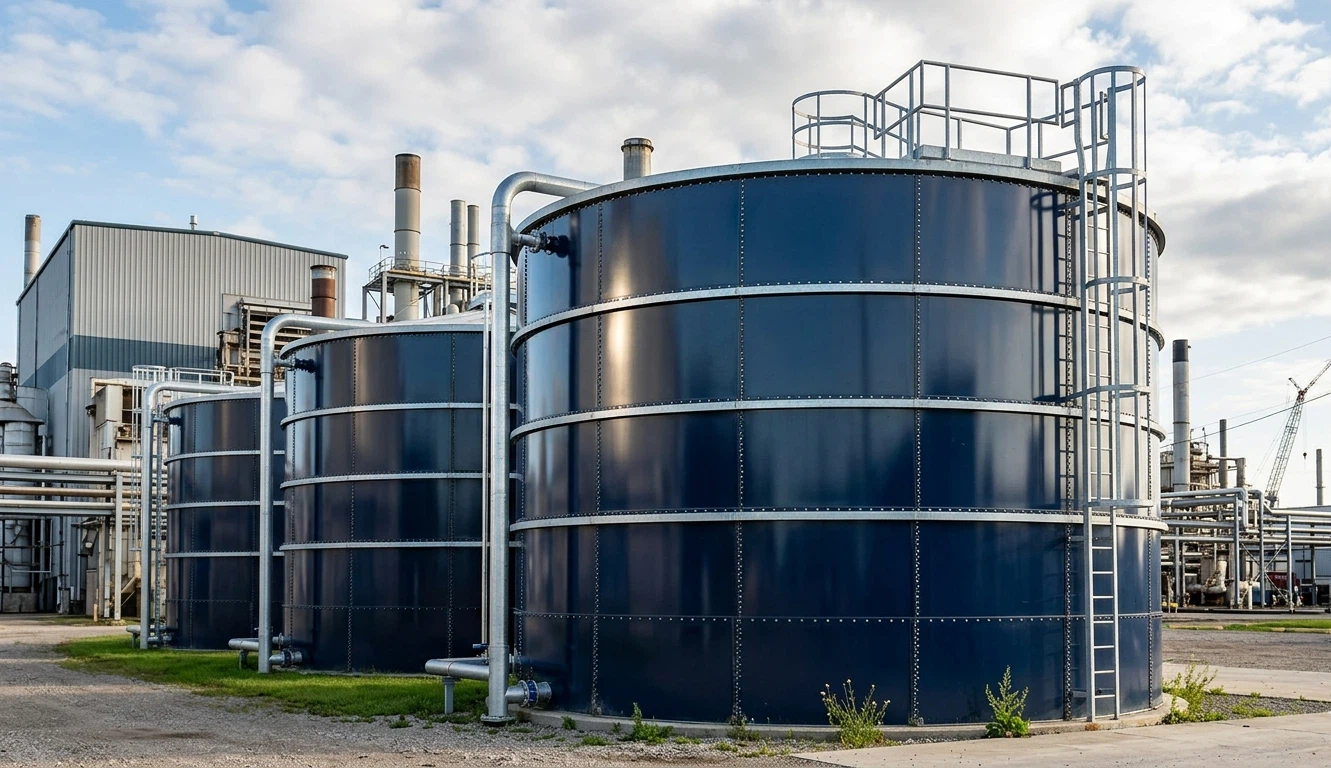
Enamel Water Tanks maintenance is the essential work that ensures the long service life and water safety of enamel-lined tanks. A well-structured maintenance program significantly extends equipment life and reduces operational costs.
Why Enamel Water Tanks maintenance matters
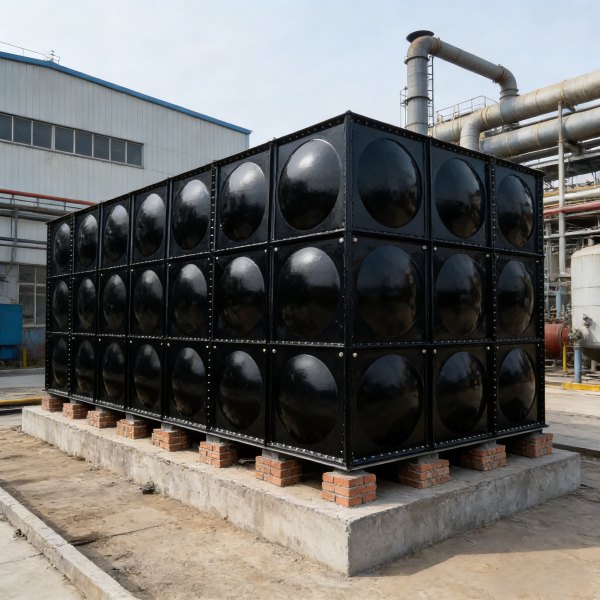
Enamel Water Tanks maintenance addresses three interrelated concerns: the integrity of the glassy enamel coating, corrosion protection of the metal substrate, and the cleanliness of the internal surface. The enamel layer behaves like a glass glaze; its chemical resistance and smoothness determine how well the tank resists microbial attachment and chemical attack. Even hairline cracks or localized spalling can create initiation sites for corrosion and potential contamination.
Key steps in Enamel Water Tanks maintenance
A practical maintenance workflow for Enamel Water Tanks maintenance normally includes visual inspection, internal inspection, cleaning and disinfection, local repair, and functional verification. These steps are intended to detect minor defects early and to ensure corrective actions are timely and documented.
1.Visual and structural checks: inspect external shell, flanges, welds and supports for cracks, leaks, or loose fasteners.
2.Internal surface inspection: use borescopes or direct visual examination after draining to identify enamel flaking, cracking or pitting.
3.Cleaning and disinfection: perform mechanical and chemical cleaning to remove deposits and biofilms, followed by an approved disinfection regimen.
4.Corrosion and enamel repair: carry out localized enamel repair or component replacement where necessary, following compatible materials and processes.
5.Functional tests and recordkeeping: conduct flushing, pressure testing and microbiological/chemical sampling; archive results for traceability.
Common issues found during Enamel Water Tanks maintenance
Typical problems encountered in Enamel Water Tanks maintenance include thermal-shock cracks (from rapid temperature changes), point corrosion at exposed metal sites, and damage caused by improper cleaning chemicals. Early detection limits the area requiring repair and helps avoid full-scale replacement.
Materials, cleaning agents and safety considerations
For Enamel Water Tanks maintenance, choose cleaning agents that are enamel-compatible. Neutral pH or mild acid descalers (used in controlled concentrations) and soft mechanical cleaning are preferred. Strong alkalis or aggressive solvents can degrade enamel or sealing components. Commonly used procedures include controlled acid rinses (e.g., citric or oxalic acid at approved concentrations), low-pressure mechanical washing, and hypochlorite disinfection where permitted by water quality standards. Always consult the material safety data sheets (MSDS) and use appropriate personal protective equipment (PPE) and ventilation.
Inspection schedule and recordkeeping for Enamel Water Tanks maintenance
A predictable inspection schedule supports reliability. The table below offers a sample framework that can be tailored to water quality, operational hours and regulatory requirements:
| Item | Suggested interval | Focus points |
|---|---|---|
| External and joint inspection | Monthly | Look for leaks, loose bolts, support deformation |
| Internal visual/borescope inspection | Every 6 months or after each drain | Check for enamel spallation, cracking, point corrosion |
| Chemical cleaning & disinfection | Every 3–12 months (depending on water quality) | Remove sediment and biofilm; verify with microbiological tests |
| Pressure / seal testing | سنويا | Verify flange and weld tightness |
| Maintenance log update | After each service | Include photos, materials used, responsible personnel |
Maintaining a complete service record — roll numbers, test certificates, photos and technician notes — simplifies lifetime management and regulatory audit trails.
Technical best practices and repair guidance
When planning Enamel Water Tanks maintenance, specify approved repair compounds and painting/repair techniques that are compatible with the existing enamel system. Avoid hot thermal shock cleaning methods or sudden temperature swings that can induce cracking. For potable systems, ensure that any disinfectant residuals are removed to meet local drinking water standards prior to returning tanks to service.
Include an emergency repair kit and spare parts in service contracts: replacement gaskets, approved enamel patch kits, and temporary liners help reduce downtime in the event of unexpected damage.
Testing, verification and compliance
After any cleaning or repair activity, verification is mandatory in Enamel Water Tanks maintenance. Conduct residual-chlorine checks, pH tests and microbiological sampling according to local regulations. For structural repairs, consider non-destructive testing (NDT) of welds and pressure testing (hydrostatic or pneumatic where safe and permitted) to confirm integrity.
Practical risk mitigation strategies
To reduce the most common risks identified in Enamel Water Tanks maintenance, designers and operators should:
- Match cleaning chemistry to enamel compatibility and avoid strong alkalis.
- Protect tanks from mechanical impact during construction or maintenance.
- Install inspection ports and sample points to minimize the need for full drainage when monitoring.
- Provide training and clear SOPs for technicians performing internal inspections and repairs.
خاتمة
A systematic approach to Enamel Water Tanks maintenance — combining scheduled inspection, appropriate cleaning and verified repair processes — is the foundation of reliable water storage operations. Treat maintenance as an asset management activity, not merely as reactive repair, and maintain thorough documentation to support long service life, regulatory compliance and water safety.
If you want to learn more about the maintenance of Enamel Water Tanks, please انقر هنا.