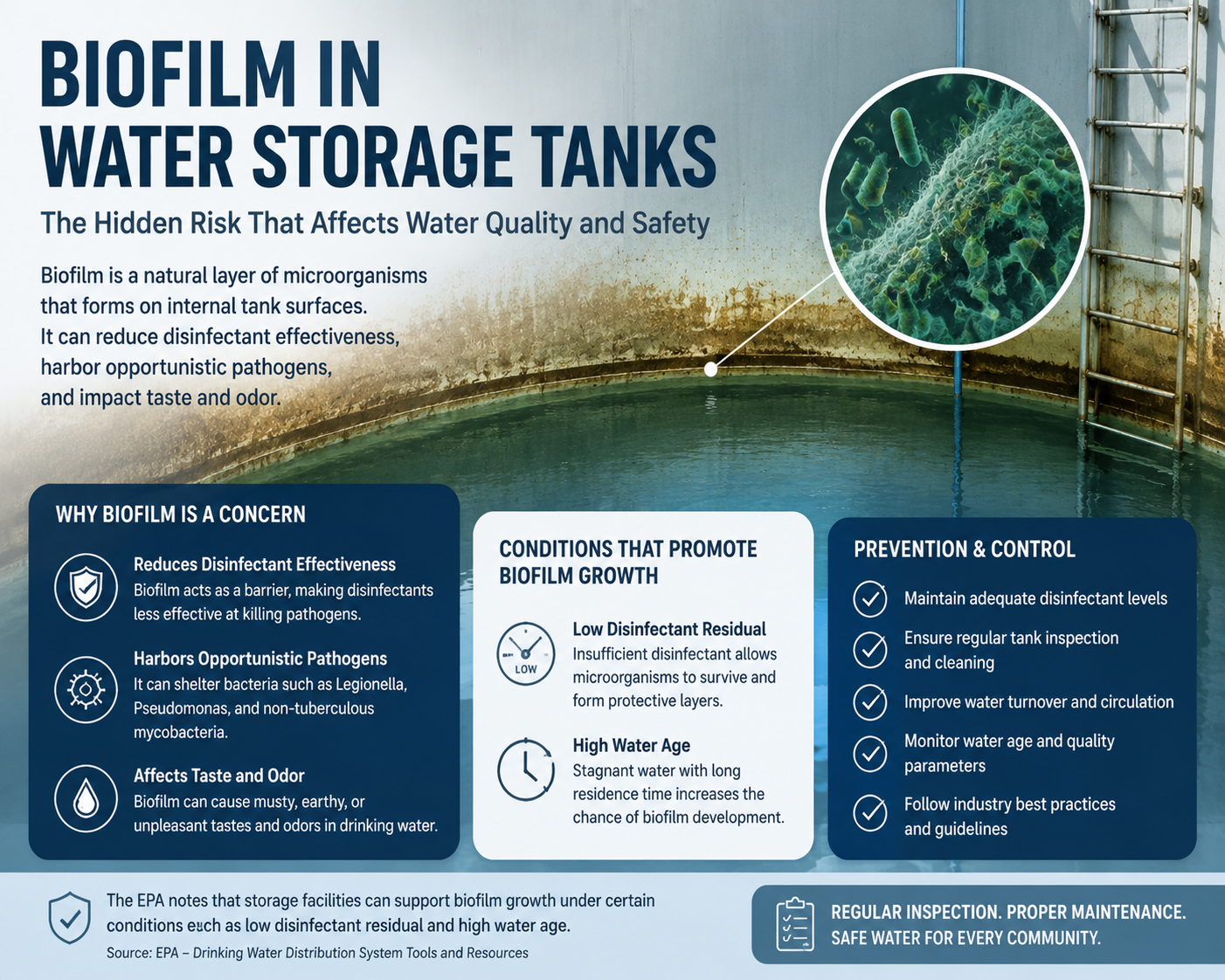
Selecting the right Industrial Water Tanks is a crucial decision for any business or facility that requires reliable water storage. Industrial water tanks are available in a variety of materials, each offering different advantages depending on the operating environment, water quality requirements, and installation conditions. From manufacturing plants to agricultural farms, understanding the differences between tank types helps ensure long-term efficiency, safety, and cost control.
Choosing the right industrial water tanks requires a clear understanding of the most common tank types, their key features, and the typical use scenarios where each option performs best.
Galvanized Industrial Water Tanks: Durability and Affordability

Galvanized Industrial Water Tanks are manufactured by coating steel panels with a protective zinc layer, which significantly improves resistance to rust and corrosion. This structure makes them a practical and economical solution for large-scale water storage where durability and cost-efficiency are priorities.
Advantages:
- Resistant to rust and corrosion
- More affordable compared to stainless steel alternatives
- Strong and durable for large-capacity installations
Common Applications:
- Agricultural farms for irrigation systems
- Industrial sites for non-potable water storage
- Municipal and utility water supply projects
Galvanized water tanks are well suited for applications where water quality requirements are moderate and budgets need to be carefully controlled. They are widely used in agriculture, construction sites, cooling systems, and fire protection reserves.
Stainless Steel Industrial Water Tanks: Strength and Longevity

Stainless Steel Industrial Water Tanks are known for their excellent mechanical strength, corrosion resistance, and long service life. Due to their non-reactive surface, these tanks are ideal for applications where water purity and hygiene are critical.
Advantages:
- Exceptional corrosion resistance and long lifespan
- Non-reactive material helps maintain water quality
- Suitable for high-demand and high-performance environments
Common Applications:
- Food and beverage processing facilities
- Pharmaceutical manufacturing plants
- Hospitals and healthcare institutions
Stainless steel tanks are commonly selected in industries where water must remain clean and uncontaminated. Although the initial investment is higher, their durability and low maintenance requirements make them a reliable long-term solution.
Enamel Industrial Water Tanks: Combining Durability and Aesthetic Appeal

Enamel Industrial Water Tanks are constructed from steel panels coated with a fused enamel layer. This combination provides excellent protection against corrosion while also offering a clean and visually appealing surface.
Advantages:
- Resistant to corrosion, chemicals, and high temperatures
- Smooth, attractive finish suitable for visible installations
- Long service life with minimal maintenance
Common Applications:
- Urban and commercial installations
- Fire protection water storage systems
- Industrial parks where visual appearance matters
namel water tanks are often used in locations where the tank is exposed or installed near populated areas. They perform well in high-temperature environments and offer a balance between durability, performance, and appearance.
Underground Industrial Water Tanks: Space-Saving and Discreet

Underground Industrial Water Tanks are designed to be installed below ground level, making them ideal for projects where surface space is limited or aesthetics are a concern. These tanks provide large storage capacity without occupying valuable above-ground areas.
Advantages:
- Saves surface space on crowded sites
- Hidden installation improves site appearance
- Suitable for large-volume water storage
Common Applications:
- Residential complexes and mixed-use developments
- Urban industrial facilities with limited land
- Commercial properties requiring discreet water storage
Underground tanks are widely used in cities and densely developed areas. They allow facilities to meet water storage requirements without impacting site layout or visual design.
Fiberglass Water Tank: Lightweight and Strong

Fiberglass Water Tank systems are manufactured using reinforced glass fibers combined with resin, creating a lightweight yet durable solution for industrial water storage. Their non-metallic structure provides natural resistance to corrosion, making them suitable for demanding environmental conditions.
Advantages:
- Lightweight design for easy transportation and installation
- Excellent resistance to corrosion without additional coatings
- Performs well in harsh climates and chemically aggressive environments
Common Applications:
- Remote industrial sites where logistics efficiency is important
- Offshore platforms and coastal facilities exposed to salt air
- Areas with extreme temperatures or challenging environmental conditions
Fiberglass water tanks are often selected for projects that require flexibility, fast installation, and low maintenance. Their strength-to-weight balance makes them a practical choice where metal tanks may be less suitable.
Conclusion
Choosing the right Industrial Water Tank requires careful evaluation of factors such as durability, water quality requirements, available space, and overall budget. Galvanized, stainless steel, enamel, underground, and fiberglass tanks each offer distinct advantages depending on the application.
By understanding the characteristics and use cases of each tank type, you can select a water storage solution that delivers long-term reliability and operational efficiency. To ensure your industrial water tank continues to perform at its best for years to come, regular maintenance is just as critical as the initial choice. For detailed guidance, you can refer to our comprehensive [Industrial Water Tank Maintenance Guide]. From agriculture and industrial production to commercial facilities and healthcare environments, the right industrial water tank plays a critical role in ensuring a stable and dependable water supply.
FAQ
What size industrial water tank do I need?
The size depends on your daily water consumption and intended use. For most businesses, calculate your peak usage days and add 20-30% buffer capacity. Common sizes range from 1,000 to 50,000 gallons.
Which is better: stainless steel or galvanized tanks?
Stainless steel offers superior corrosion resistance and is ideal for potable water, but costs more. Galvanized tanks are more affordable and durable for non-potable applications like irrigation or fire protection.
How long do industrial water tanks last?
With proper maintenance, galvanized tanks last 20-30 years, stainless steel tanks 30-40+ years, and fiberglass tanks 25-35 years. Enamel tanks typically last 25-30 years.