Table of Contents
Industrial water tanks play a vital role in storing and managing water for various sectors, including manufacturing, energy, and agriculture. Choosing the right strategy for managing these water tanks can improve efficiency, reduce costs, and ensure safety. Here, we explore four proven strategies to optimize water tank industrial operations.
Proper Material Selection for Water Tank Industrial

Understanding Tank Materials
Selecting the right material for an industrial water tank can significantly impact durability and maintenance costs. Common materials include steel, polyethylene, and fiberglass. Each material has unique advantages depending on storage needs and environmental conditions.
Steel vs Polyethylene Tanks
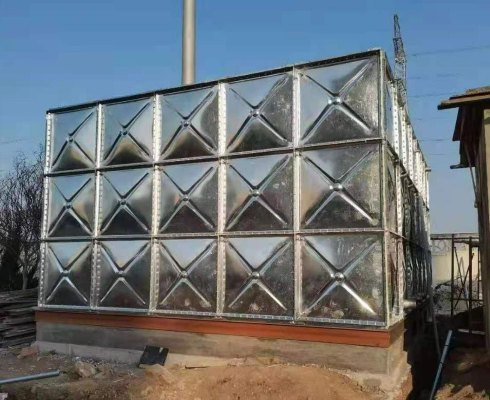
Steel tanks are known for their strength and high-temperature resistance, while polyethylene tanks offer lightweight handling and corrosion resistance. Choosing between them depends on the type of water stored and the operational environment.
Regular Maintenance and Inspection
Scheduled Inspections
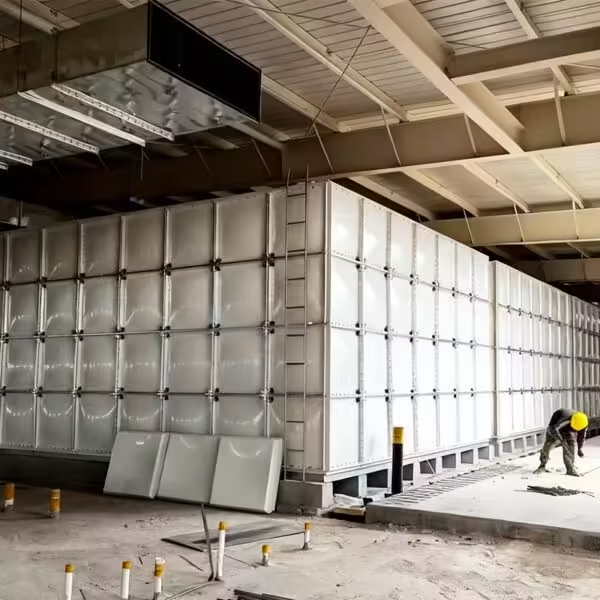
Regular inspections help identify corrosion, leaks, or structural weaknesses before they escalate into costly repairs. Industrial water tanks often require monthly visual checks and annual detailed inspections.
Cleaning Practices
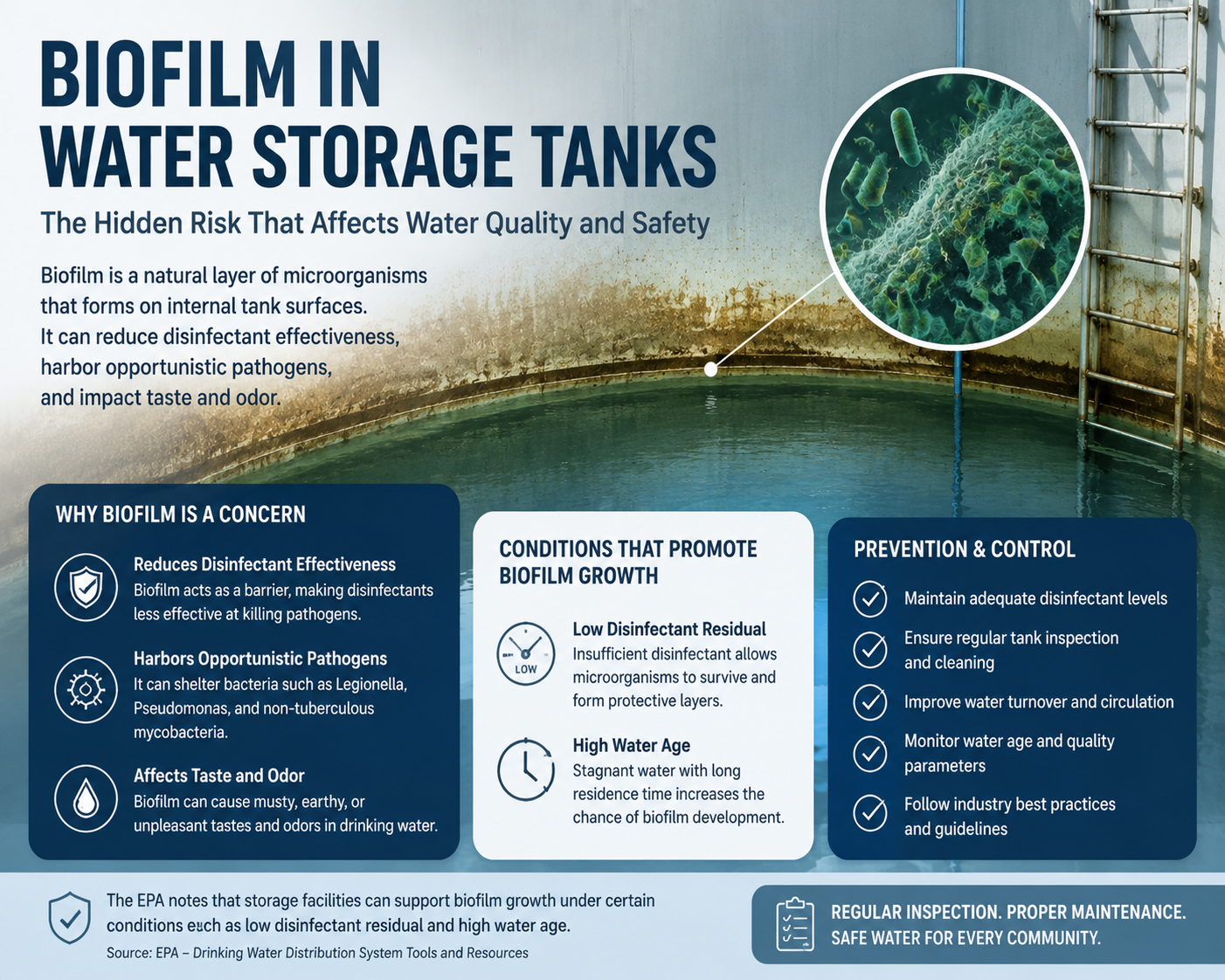
Proper cleaning procedures prevent bacterial growth and sediment accumulation. Using automated cleaning systems or manual flushing can extend the tank’s lifespan.
Maintenance Cost Comparison
| Tank Type | Annual Maintenance Cost | Lifespan (Years) |
|---|---|---|
| Steel | $1,200 | 20-30 |
| Polyethylene | $500 | 15-25 |
| Fiberglass | $800 | 25-35 |
Optimal Placement and Installation
Site Selection for Water Tank Industrial
Placing industrial water tanks in stable, accessible areas reduces risk and improves operational efficiency. Avoid areas prone to flooding, soil erosion, or heavy vibration.
Aboveground vs Underground Installation
Aboveground tanks are easier to inspect and maintain, while underground tanks save space and reduce temperature fluctuation. Considering operational needs and site conditions helps in deciding the optimal installation.
Advanced Monitoring Systems
Smart Sensors and IoT Integration
Integrating sensors can monitor water levels, temperature, and quality in real-time. This reduces manual inspections and allows for proactive maintenance.
Automation Benefits
Automated monitoring reduces water wastage, ensures compliance with safety standards, and allows remote management of multiple tanks across industrial sites.
Conclusion
Stainless steel water tanks offer unparalleled hygiene, durability, and long-term performance. Their superior material properties make them essential for businesses and industries where water quality and structural reliability are critical. When designed according to engineering best practices and manufactured using certified materials, stainless steel tanks deliver decades of safe, stable, and highly efficient operation.
FAQ
What is the best water tank for industrial use?
The best water tank depends on the type of water stored, environmental conditions, and budget. Steel tanks are strong, polyethylene tanks resist corrosion, and fiberglass tanks balance durability and cost.
How often should industrial water tanks be inspected?
Visual inspections should occur monthly, while detailed structural inspections are recommended annually. Regular maintenance prevents costly repairs and ensures safety.
Can I use one type of tank for all industrial purposes?
No, tank selection should consider water type, storage volume, chemical resistance, and environmental factors. Using the wrong type can shorten lifespan or increase operational risks.
How do modern monitoring systems improve industrial water tanks?
Smart sensors provide real-time data on water levels, temperature, and quality. Automated alerts and remote management reduce downtime and improve efficiency.