Table of Contents
Introduction
Underground water tanks are an ideal solution for facilities where space is limited or aesthetic considerations are important. These tanks are designed to store potable water, fire protection reserves, rainwater, and industrial process water while being installed below ground level. By utilizing subterranean space, underground tanks reduce visual impact, protect water from temperature extremes, and offer added security against contamination and vandalism.
This article explores the design, advantages, applications, and maintenance of underground water tanks, providing insights for engineers, facility managers, and project planners seeking efficient and durable water storage solutions.
What Are Underground Water Tanks?
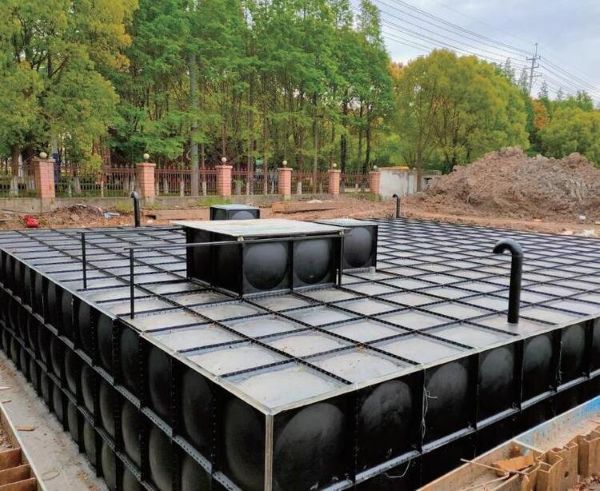
Underground water tanks are storage vessels installed below ground, usually made from materials such as polyethylene, fiberglass, or reinforced concrete. Some designs feature modular construction for easy transport and installation. They are engineered to withstand soil pressure, water pressure, and external loads while maintaining structural integrity over long periods.
Benefits of Underground Water Tanks
- Space Efficiency: Utilize below-ground areas, freeing up surface space for other purposes.
- Temperature Stability: Underground placement protects water from extreme heat or cold.
- Aesthetic Advantages: Tanks are hidden from view, maintaining landscape and building aesthetics.
- Enhanced Security: Reduced risk of vandalism or accidental damage.
- Durability: Modern tanks resist corrosion, UV exposure, and pressure from soil or vehicles.
- Versatility: Suitable for potable water, fire protection, irrigation, and industrial processes.
Common Applications
Municipal and Residential Water Storage
Underground tanks provide a reliable source of potable water while preserving landscape design in residential communities, parks, and commercial properties.
Industrial and Commercial Facilities
Used for process water storage, cooling systems, and fire water reserves where above-ground space is limited.
Rainwater Harvesting
Collect and store rainwater efficiently for irrigation, flushing, or supplementary water supply, reducing reliance on mains water.
Fire Protection Systems
Underground tanks serve as hidden reservoirs for sprinkler systems or emergency firefighting, ensuring compliance with fire safety regulations.
Agricultural Use
Farmers use underground tanks for irrigation water and livestock watering in areas where space or land use is constrained.
Design Considerations
- Capacity and Flow Rate: Ensure adequate volume to meet peak demand.
- Material Selection: Polyethylene, fiberglass, and concrete offer different strength, cost, and maintenance profiles.
- Structural Load: Design to withstand soil pressure, traffic, and potential flood conditions.
- Accessibility: Include manholes, inspection ports, and pumping systems for maintenance and water extraction.
- Ventilation and Overflow: Prevent contamination, maintain pressure, and allow safe water release.
Comparison Table: Underground vs Above-Ground Tanks
| Feature | Underground Tank | Above-Ground Tank |
|---|---|---|
| Space Usage | Minimal surface footprint | Occupies surface space |
| Temperature Stability | High | Moderate |
| Security | Protected from vandalism | More exposed |
| Installation Complexity | Moderate to high | Low to moderate |
| Maintenance | Moderate | Moderate |
| Lifespan | 20–30 years | 15–25 years |
| Cost | Higher installation cost | Lower installation cost |
Maintenance Guidelines
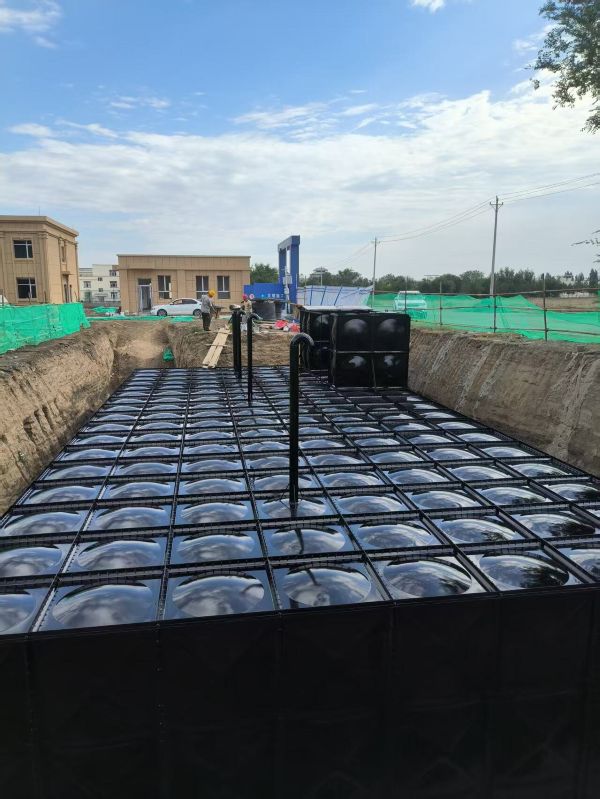
- Inspect structural integrity and soil settlement regularly
- Monitor water quality and clean periodically
- Check access points, pumps, and valves
- Ensure proper sealing to prevent contamination
Factors to Consider When Choosing an Underground Water Tank
- Intended application (potable water, fire water, irrigation)
- Soil type and ground conditions
- Local regulations and permits
- Load-bearing requirements for traffic or construction above the tank
- Tank material suitable for water type and environmental conditions
Conclusion
Underground water tanks are an efficient, secure, and space-saving solution for a wide range of applications, from municipal and industrial water storage to rainwater harvesting and fire protection. Proper design, material selection, and maintenance ensure long-term reliability, making them a smart investment for any facility with limited surface space.
FAQ
Are underground water tanks safe for drinking water?
Yes, tanks made from approved materials such as food-grade polyethylene or coated fiberglass are safe for potable water storage.
How long do underground water tanks last?
Depending on material and maintenance, lifespan ranges from 20 to 30 years.
Can underground tanks be installed in urban areas?
Yes, they are ideal for space-limited urban sites where surface tanks are impractical.
Do underground tanks require special maintenance?
Maintenance is moderate, mainly inspecting structural integrity, water quality, and pumping systems.
Can underground tanks be used for fire protection?
Absolutely, they are commonly used as hidden reservoirs for sprinkler systems or emergency firefighting.
Need Help Choosing the Right Underground Water Tank?
If you’re unsure which underground, enamel, stainless steel, fiberglass, or galvanized tank suits your project, our experts can guide you. Contact us today for a personalized consultation and ensure your water storage system is durable, efficient, and compliant. Don’t wait—secure a reliable solution for your facility now!