Table of Contents
Introduction
As urban infrastructure and industrial projects expand, the need for efficient and safe underground water storage has become critical. Underground water tanks offer a practical solution for storing potable water, rainwater, irrigation water, and industrial process water while saving surface space and protecting stored water from environmental contamination. According to a 2024 Market Research Future report, underground water storage systems are gaining traction globally due to increasing urbanization and stricter water management regulations.
Underground tanks provide excellent thermal insulation, maintain water quality, and reduce evaporation. They are increasingly used in municipal water networks, commercial buildings, agricultural operations, and industrial facilities where space is limited or aesthetic considerations are important.
What Is an Underground Water Tank
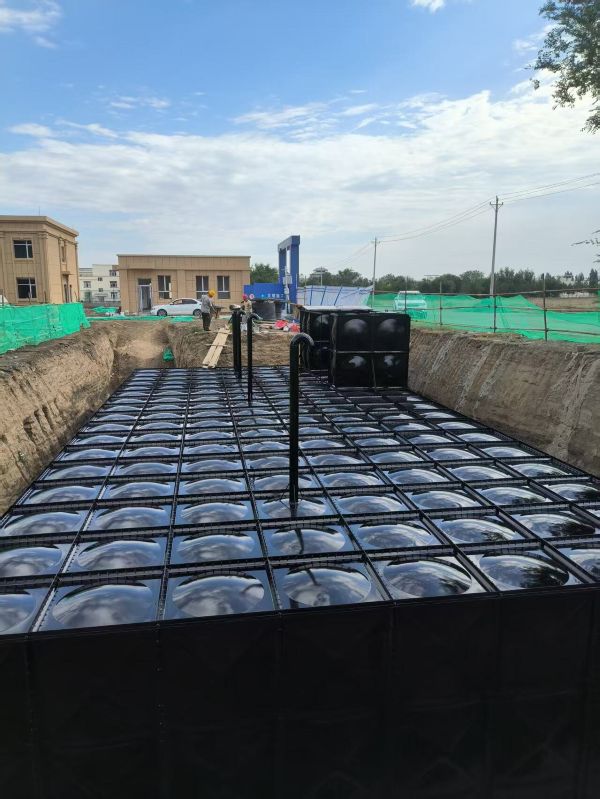
An underground water tank is a storage container installed below ground level, designed to safely and efficiently store water. These tanks can be made from a variety of materials, including reinforced concrete, polyethylene, or steel, depending on project requirements. Unlike above-ground tanks, underground water tanks are protected from UV exposure, temperature fluctuations, and external contaminants, making them ideal for long-term water storage.
Types of Underground Water Tanks
Reinforced Concrete Underground Tanks
- Constructed with high-strength concrete and steel reinforcement.
- Suitable for large-scale municipal or industrial storage.
- Highly durable with long service life.
Polyethylene / PVC Underground Tanks
- Lightweight and corrosion-resistant.
- Prefabricated and easy to install.
- Ideal for smaller-scale installations and residential applications.
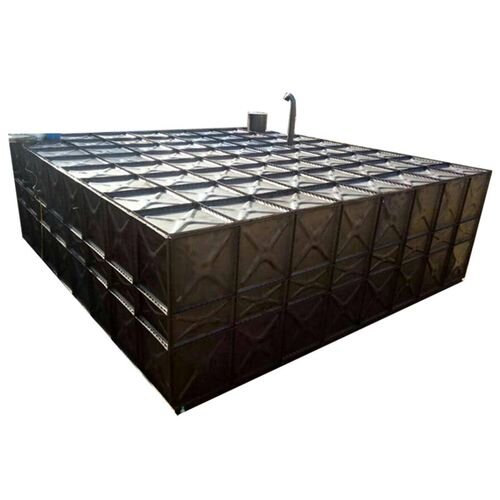
Modular Steel Underground Tanks
- Made of galvanized or stainless steel panels.
- Customizable capacity and shape for industrial projects.
- High mechanical strength and durability.
Advantages of Underground Water Tanks
Space-Saving Design
Installing water tanks underground frees up surface space for buildings, landscaping, or roads.
Temperature Stability
Being underground maintains water at a relatively constant temperature, helping preserve water quality and reducing microbial growth.
Protection from Contamination
Underground installation protects water from dust, sunlight, and accidental chemical exposure.
Durability and Longevity
Reinforced concrete and steel tanks can last decades with minimal maintenance, while polyethylene tanks resist corrosion and chemical degradation.
Reduced Evaporation
Unlike open or above-ground tanks, underground tanks significantly reduce water loss from evaporation, making them ideal for arid climates.
Applications of Underground Water Tanks
- Municipal Water Supply – storing potable water safely for community distribution.
- Rainwater Harvesting – capturing and storing rainwater for urban or agricultural use.
- Industrial Processes – storage of process water, cooling water, or wastewater.
- Fire Protection Systems – emergency water reserves for firefighting in urban and industrial facilities.
- Agricultural Irrigation – reliable water storage for crops and livestock.
Technical Comparison: Underground vs Above-Ground Tanks
| Feature / Tank Type | Underground Tank | Above-Ground Tank |
|---|---|---|
| Space Efficiency | High | Low |
| Protection from Contamination | Excellent | Moderate |
| Temperature Stability | Excellent | Low |
| Evaporation Loss | Minimal | Moderate |
| Maintenance Requirements | Moderate | Low to Medium |
| Installation Complexity | Higher | Lower |
| Typical Lifespan | 25–50 years | 15–30 years |
This table demonstrates the advantages of underground tanks in protecting water quality, saving space, and providing long-term storage reliability.
Installation and Maintenance Guidelines
Site Assessment
Evaluate soil conditions, groundwater levels, and load-bearing capacity before installation.
Proper Foundation and Backfill
Ensure a stable foundation and compact backfill to prevent tank deformation or settling.
Routine Inspection and Cleaning
Check for leaks, cracks, and structural integrity at least annually. Clean tanks periodically using non-abrasive methods to maintain water quality.
Preventive Measures
Install proper ventilation, access hatches, and overflow systems to maintain hygiene and prevent contamination.
Case Study: Underground Water Tank in an Urban Development
A large commercial complex in Dubai installed multiple 2,000 m³ underground polyethylene tanks for potable water storage. The tanks were buried beneath parking areas to optimize land use. After three years of continuous operation, the tanks demonstrated excellent water quality, minimal maintenance, and full resistance to extreme heat and high groundwater conditions, proving the reliability of underground storage solutions in challenging environments.
Safety Standards and Certifications
High-quality underground water tanks comply with international standards, such as:
- ASTM D4994 – Underground plastic tank design.
- AWWA D110 – Steel water tank specifications for municipal storage.
- NSF/ANSI 61 – Drinking water system component certification.
- ISO 9001 / ISO 14692 – Quality management and piping system compliance.
Compliance with these standards ensures structural integrity, hygiene, and long-term safety for water storage.
Conclusion
Underground water tanks provide an efficient, safe, and durable solution for water storage in industrial, municipal, agricultural, and commercial projects. By protecting water from contamination, stabilizing temperature, and optimizing land use, they are a critical component of modern water management systems. Choosing certified, high-quality tanks ensures reliable performance and long-term cost savings.
FAQ
How long do underground water tanks last?
Typically 25–50 years depending on material and environmental conditions.
Are underground tanks suitable for potable water?
Yes, when constructed from certified materials and installed according to standards.
Can underground tanks prevent contamination?
Properly sealed underground tanks reduce exposure to dust, sunlight, and chemicals, ensuring safer water storage.
What materials are best for underground tanks?
Reinforced concrete for large-scale storage, polyethylene for small-medium scale, and steel panels for industrial applications.
How often should underground tanks be inspected?
At least once per year, with periodic cleaning to maintain water quality.