Table of Contents
Underground Water Tank maintenance is a vital part of protecting water quality, infrastructure, and downstream ecosystems. In this practical guide we explain step-by-step how routine checks, cleaning, and repairs reduce contamination risk and extend service life for buried reservoirs.
Why Underground Water Tank maintenance matters
Underground tanks sit below grade and are exposed to soil pressure, groundwater, and corrosion factors. Good Underground Water Tank maintenance prevents leaks that can contaminate groundwater, reduces costly emergency repairs, and keeps potable systems compliant with local standards.
Simple visual inspections (monthly)
Start with a monthly inspection schedule for access points, vents, and surrounding soil. Perform a surface check of lids, hatches, and vents as part of your Underground Water Tank maintenance routine. Document any standing water, subsidence, or unusual odours near the tank.
Water quality checks (quarterly)
Include turbidity, residual disinfectant, and basic bacteriological sampling in your Underground Water Tank maintenance plan. If tanks store potable water, test results determine when cleaning and disinfection are required. Follow local regulations for sampling frequency.
Cleaning and disinfection (annual recommended minimum)
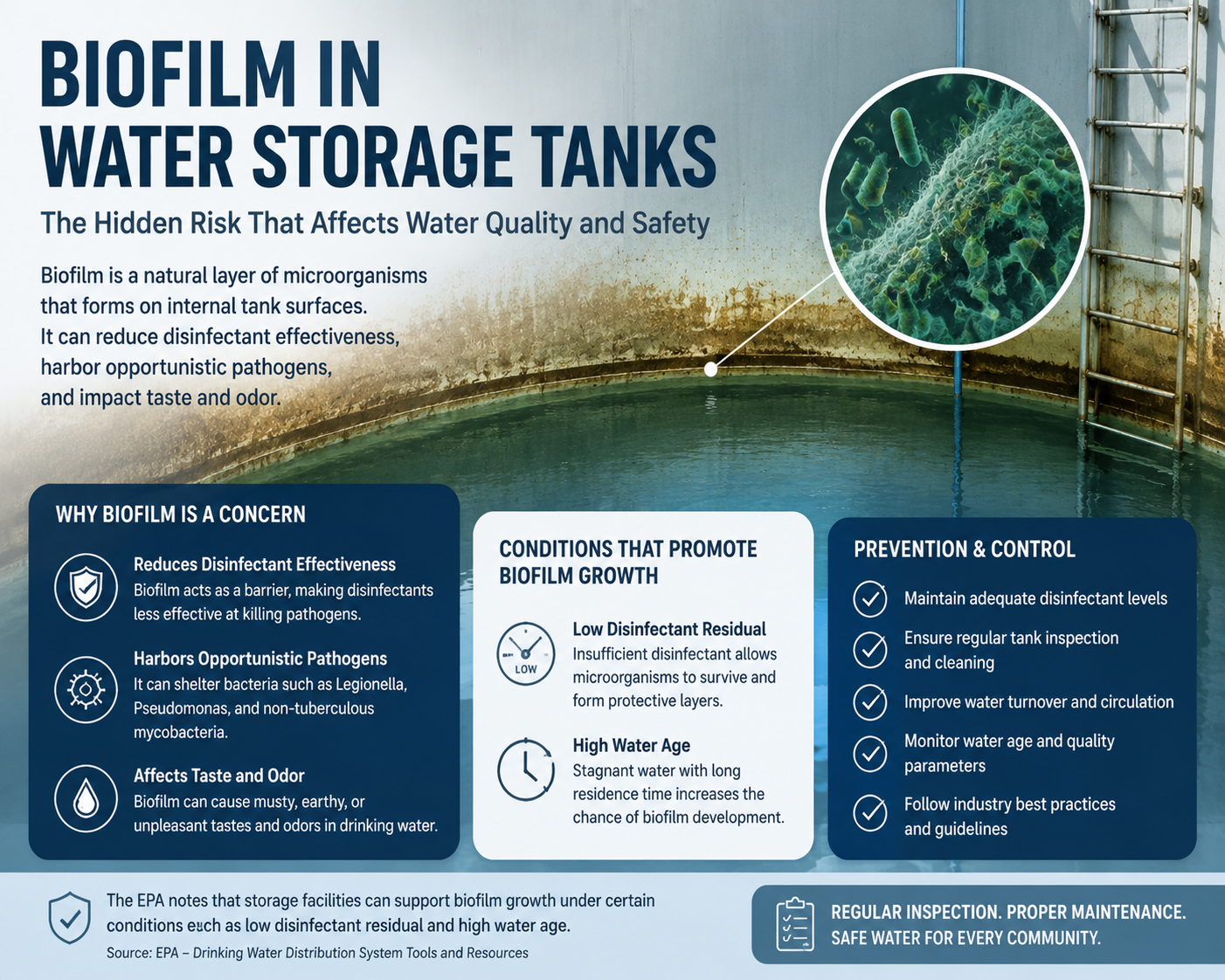
Mechanically remove sediment and biofilm, then disinfect the interior surfaces following accepted protocols. Professional confined-space procedures improve safety during tank entry and are a key element of responsible Underground Water Tank maintenance.
Structural integrity and corrosion control
Assess interior and exterior coatings, anode systems, and joints. Cathodic protection or periodic recoating may form part of long-term Underground Water Tank maintenance strategies for metal tanks, while polyethylene tanks require UV and soil-compatibility checks.
Access, safety, and confined space procedures
A written confined-space plan is essential. Permit systems, gas monitoring, ventilation, and trained personnel protect workers during Underground Water Tank maintenance tasks such as cleaning or welding.
What tools and records to use
Maintain a logbook with inspection dates, test results, and corrective actions. Use cameras, depth probes, and sample bottles. These records are critical evidence of due diligence in Underground Water Tank maintenance programs.
When to call specialists
If inspections reveal persistent sediment, structural damage, or microbial contamination, involve certified tank service contractors. For complex repairs or relining, professional guidance is a critical part of advanced Underground Water Tank maintenance.
Regulatory context and recommended standards
National and regional guidance—such as agency operation manuals for underground storage and service reservoir cleaning notes—support best practices in Underground Water Tank maintenance. Consult local authorities for return-to-service sampling and documentation requirements.
Quick maintenance checklist (at a glance)
- Monthly visual inspection
- Quarterly water-sampling and lab tests
- Annual cleaning and disinfection
- Structural coating and cathodic protection review every 3–5 years
- Immediate action on any sign of leak or soil contamination
Tips to extend service life
Reduce sediment inflow with pre-filters, install overflow alarms, and manage surface drainage to keep runoff away from access covers. These small changes lower the need for emergency Underground Water Tank maintenance interventions.
integrating product selection and maintenance
When choosing an underground tank, select models with accessible manholes, certified coatings, and clear maintenance manuals. Manufacturer documentation often lists recommended maintenance intervals and safe entry instructions, which should be integrated into your facility’s standard operating procedures.
Digital monitoring, budget and seasonal notes
Modern telemetry can monitor level, pressure, and intrusion, reducing emergency responses and enabling predictive maintenance. Budget for periodic inspections and small repairs—routine spending is typically much lower than full replacement after a failure. In cold regions watch for frost heave risks; in flood-prone areas verify buoyancy anchors before rainy seasons.
Practical final thoughts
A predictable, documented program protects public health and reduces lifecycle costs. By combining routine inspections, scheduled cleaning, and the proper engineering controls you can manage risks and keep systems compliant.
If you want to know more about the maintenance of industrial water tanks, please click here.