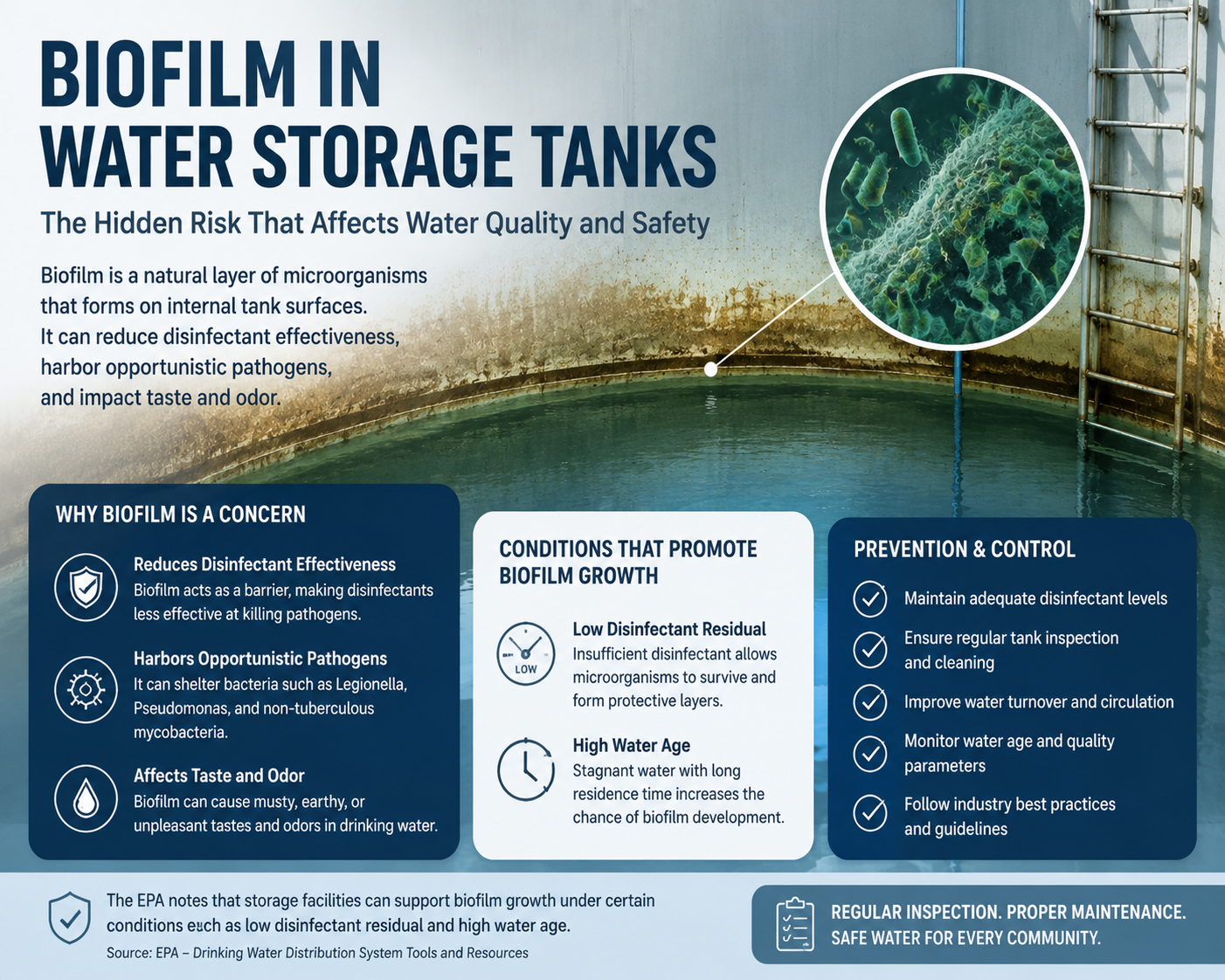
Selecting the right industrial fire water tank material is one of the most critical decisions for any facility manager or engineer. The choice between Steel and Fiberglass (FRP) impacts everything from initial cost and installation speed to long-term operational integrity. Both materials can meet stringent fire codes like NFPA 22, but they excel in different environments. This head-to-head comparison breaks down the key factors to ensure your investment provides reliable fire protection for decades to come.
Table of Contents
The Durability Showdown: Structural Integrity and Lifespan
A fire water tank’s primary purpose is survival and performance during an emergency. Durability is therefore non-negotiable.
Steel Tank Longevity: The Role of Coatings and Liners
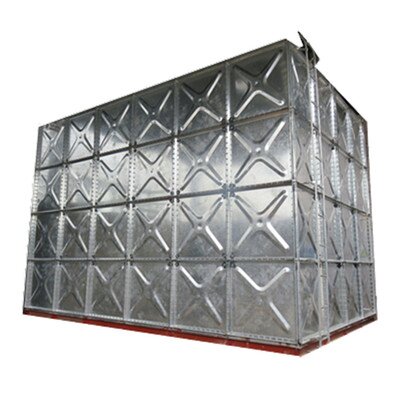
Steel offers unmatched inherent strength, capable of handling extreme pressures and physical impact better than most alternatives. However, its Achilles’ heel is corrosion. The lifespan of a steel tank is directly proportional to the quality and maintenance of its internal protective barriers. Any breach in the internal epoxy coating or liner—often caused by abrasion from sediment or chemical exposure—exposes the steel to oxygen and water, rapidly accelerating rust.
Fiberglass (FRP) Resilience: Corrosion Resistance and UV Degradation
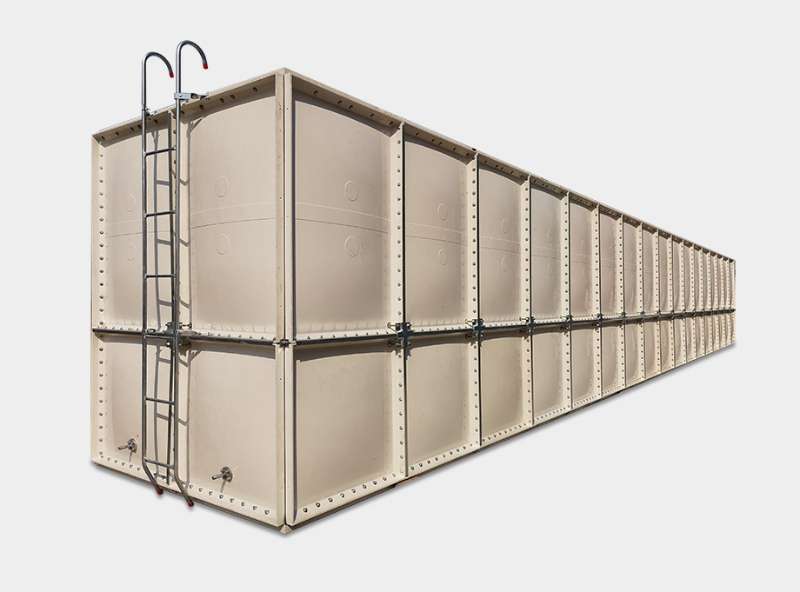
Fiberglass Reinforced Plastic (FRP) tanks offer superior resistance to chemical corrosion and galvanic action, making them ideal in coastal or chemically aggressive environments. FRP tanks are inherently rust-proof. However, for above-ground installations, the exterior is vulnerable to UV radiation over time, necessitating a high-quality external gel coat to prevent the material from becoming brittle.

Installation & Site Preparation: Speed vs. Complexity
The time and complexity involved in installation significantly affect project timelines and overall capital expenditure.
Bolted vs. Welded Steel: Foundation Requirements and On-Site Erection
Welded steel tanks often require highly controlled, on-site fabrication processes, which can be time-consuming and demand rigorous quality checks at every seam. Bolted steel tanks offer a modular advantage; panels are assembled on-site, which can speed up the erection process, though the integrity of every joint must be meticulously checked to meet NFPA standards. Both steel types require robust, level foundations capable of supporting immense static loads.
Fiberglass Tank Handling: Weight, Logistics, and Anchoring
FRP tanks are significantly lighter than their steel counterparts, which translates to lower transportation costs and less intensive foundation requirements. Their modular nature allows for efficient assembly. However, due to their light weight, engineered anchoring systems are crucial, especially for above-ground tanks in high-wind or seismic zones, to prevent tipping when empty or partially full.
The Compliance Angle: NFPA 22 Requirements by Material
Both materials must adhere to NFPA 22, but the specifics of quality assurance differ substantially.
NFPA 22 Standards for Steel Tank Fabrication and Quality Control
NFPA standards dictate specific minimum wall thickness, weld quality inspections (often including non-destructive testing), and coating application protocols for steel tanks. Any tank used for fire suppression must have documented compliance with these fabrication details.
Certifications and Testing for Fiberglass in Fire Protection
For FRP, compliance often hinges on meeting standards like NSF 61 (for potable water, often a prerequisite) and ensuring the structural lay-up process is certified. Field quality control focuses heavily on the integrity of the resin matrix and the consistency of the laminate schedule.
Internal Maintenance and Water Quality Issues
Routine checks mandated by NFPA 25 reveal where each material poses different maintenance challenges.
The Battle Against Corrosion and Sediment in Steel Tanks
Steel tanks require annual external surface checks and often internal inspections every five years. Sediment accumulation, accelerated by the constant water exchange during required pump tests, is a major concern as it harbors corrosive agents and can block the outlet near the anti-vortex plate.
Minimizing Algae Growth and Water Contamination in FRP Tanks
Because FRP tanks often have smoother, sometimes translucent surfaces (if UV protection is inadequate), they can be more susceptible to light penetration, promoting algae growth. Regular cleaning and ensuring the water remains biologically stable are key maintenance points for FRP systems.
Total Cost of Ownership (TCO) Analysis
When comparing options, looking beyond the initial price tag is essential to understanding the true long-term investment.
Initial Purchase and Installation Cost Comparison
Fiberglass often boasts a lower upfront cost and simpler installation logistics. Steel tanks can sometimes be more expensive initially due to material costs and specialized welding/erection requirements, but they offer flexibility for massive capacity builds.
Long-Term Maintenance, Repair, and Refurbishment Costs
While FRP may require fewer major structural interventions, repairing a damaged FRP liner can be complex. Steel tanks require periodic, scheduled recoating/re-lining, which is a significant but predictable expense over a 40-year lifespan.
Environmental and Climate Performance
The local climate heavily influences which material will perform optimally.
Freeze Protection Requirements: Insulation and Heating System Needs
Fiberglass naturally offers slightly better insulation properties than bare steel. However, both materials will require supplementary heating and insulation systems if located in regions that frequently drop well below freezing to meet the NFPA requirement of keeping water above $42^\circ\text{F}$ ($5.6^\circ\text{C}$).
Seismic and Wind Load Resilience
Structural engineers must calculate loads for both types. Steel, being monolithic (welded) or securely bolted, often exhibits predictable stress responses. FRP’s strength lies in its ability to flex under load, provided the anchoring system transfers those forces correctly into the ground.
Capacity Range and Customization Limitations
If your project involves truly enormous storage volumes, one material usually becomes the default choice.
Where Each Material Excels in Size and Volume
For the largest industrial projects—those requiring 100,000 gallons or more—steel remains the most structurally proven and common solution globally. FRP systems are highly scalable through modular panel construction but might reach practical size limits sooner than a custom-fabricated steel reservoir.
Customizing for Inlet/Outlet Specifications
Modifying existing penetrations or adding new ones is generally easier on a steel tank in the field than it is on a cured FRP tank, where repairs require specialized resin work.
Final Verdict: Matching Material to Application
The best material is the one that best matches your site conditions and long-term operational goals.
When Steel is the Undisputed Best Choice
Choose steel when you require maximum possible capacity for a single unit, when the site faces intense physical impact risk, or when an established history of using welded construction is preferred by local AHJs.
When Fiberglass Provides Optimal Value
FRP is often superior when the primary threat is corrosion (coastal areas, proximity to certain chemicals), when installation speed is critical, or when minimal long-term internal maintenance is desired.
This article addresses the commercial investigation intent by providing a detailed, balanced comparison, using technical terms while maintaining an accessible tone, and concluding with clear decision-making criteria.