Table of Contents
Introduction
Stainless steel water tanks are widely recognized as one of the most reliable and hygienic water storage solutions for industrial, commercial, and municipal applications. Their exceptional durability, corrosion resistance, and ability to maintain superior water quality make them an ideal choice where sanitary standards are critical. According to the International Stainless Steel Forum’s industry reports, stainless steel has shown consistent growth in water storage applications due to its long service life, structural stability, and suitability for various environmental conditions.
Engineered to withstand challenging operational environments, stainless steel tanks are commonly used in food processing plants, pharmaceutical factories, municipal water systems, and high-demand industrial operations. With proper manufacturing and installation, they deliver decades of dependable performance with minimal maintenance.

What Are Stainless Steel Water Tanks
A stainless steel water tank is a corrosion-resistant storage vessel manufactured from grades such as SS304, SS316, or duplex stainless steel. The material’s chromium-rich composition forms a passive protective layer on the surface, preventing rust and contamination. This makes stainless steel an excellent choice for potable water, sensitive industrial processes, and environments that demand strict hygiene control.
These tanks can be fabricated as welded cylindrical tanks, sectional panel tanks, or rectangular custom systems. Their versatility allows installation across rooftops, industrial floors, basements, and outdoor environments.
Types of Stainless Steel Water Tanks
Stainless Steel Welded Tanks
Fabricated on-site or delivered as a complete structure. These tanks provide superior strength and are commonly used for medium to large industrial operations.
Stainless Steel Sectional Panel Tanks
Constructed from modular stainless steel panels. Ideal for large-capacity municipal or commercial storage systems, especially where access is limited.
Stainless Steel Cylindrical Tanks
Lightweight and compact, suitable for food, beverage, pharmaceutical, and laboratory applications requiring high purity.
Duplex Stainless Steel Tanks
Designed for environments with high salinity, aggressive chemicals, or extreme corrosion risk. Used in coastal plants, desalination facilities, and high-end industrial systems.
Advantages of Stainless Steel Water Tanks
Superior Hygiene and Water Purity
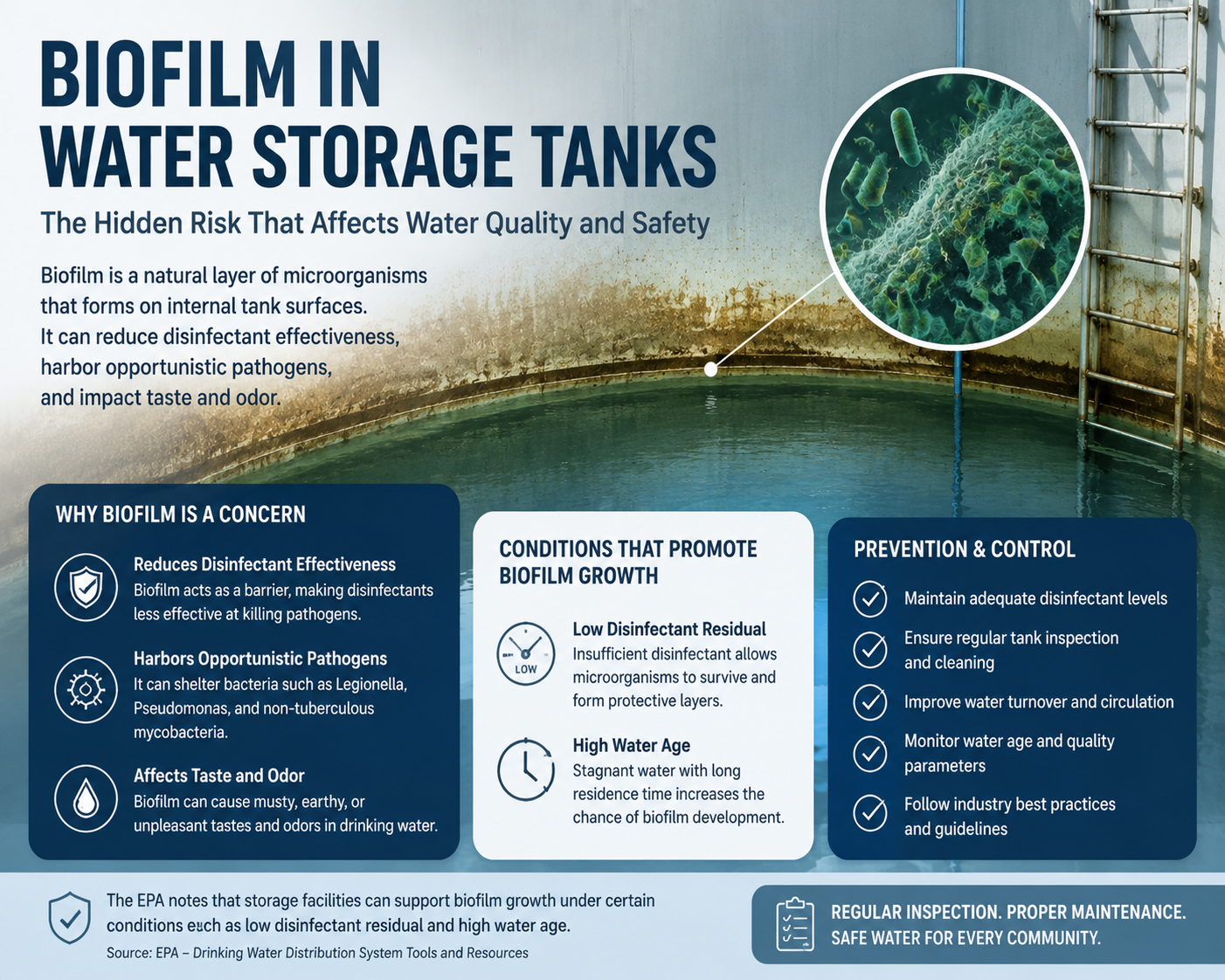
Stainless steel’s non-reactive surface prevents microbial growth, keeps water taste neutral, and maintains food-grade cleanliness. This is especially critical for drinking water supply, medical facilities, and food industries.
Exceptional Durability
Stainless steel withstands harsh climates, UV exposure, temperature fluctuations, and long-term mechanical stress. Its high tensile strength ensures structural stability over many years.
Corrosion Resistance
Due to its chromium oxide layer, stainless steel resists rust, oxidation, and chemical corrosion. Grades such as SS316 provide increased resistance to chlorides and acidic environments.
Low Maintenance Requirements
Unlike coated steel or concrete tanks, stainless steel does not require periodic repainting or resurfacing. Routine cleaning and inspection are generally sufficient.
High Temperature Tolerance
Stainless steel maintains mechanical performance under hot water, steam exposure, and industrial fluid temperatures, making it suitable for manufacturing processes and thermal systems.
Applications of Stainless Steel Water Tanks
- Municipal Drinking Water Systems requiring strict sanitation
- Food and Beverage Industry for processing water and ingredient storage
- Pharmaceutical and Medical Facilities with purity standards
- Industrial Cooling and Process Water in manufacturing plants
- Commercial Buildings and Hotels for domestic water supply
- Fire Protection Systems where long-lasting tank integrity is essential
- Water Treatment Plants handling potable or treated water

Stainless Steel vs Other Tank Materials
| Feature / Tank Type | Stainless Steel | Galvanized Steel | FRP/GRP | Concrete | Enamel |
|---|---|---|---|---|---|
| Water Hygiene | Excellent | Good | Good | Medium | Excellent |
| Corrosion Resistance | Very High | Medium | Very High | High | Very High |
| Structural Strength | Very High | High | Medium | Very High | High |
| Maintenance | Low | Medium | Low | Medium | Low |
| Temperature Resistance | Excellent | Good | Good | Excellent | Good |
| Typical Use Cases | Food, Pharma, Municipal | Industrial | HVAC, Industrial | Municipal | Industrial, Drinking Water |
This comparison demonstrates that stainless steel tanks provide unmatched hygiene and strength, making them the preferred choice where water quality and durability are top priorities.
Engineering Considerations for Stainless Steel Tanks
Material Selection
- SS304 for general potable water
- SS316 for high-chloride or chemical environments
- Duplex grades for extreme corrosion resistance
Structural Reinforcement
Tank design must consider hydrostatic pressure, wind load (if rooftop), and seismic requirements, especially in earthquake-prone regions.
Thermal Expansion Management
Stainless steel expands slightly with temperature; proper engineering ensures joints, bases, and connections accommodate expansion safely.
Surface Finish
Polished or passivated surfaces enhance corrosion resistance and prevent bacterial adhesion in hygienic environments.
Foundation and Support Requirements
Tanks must be installed on stable, leveled foundations to ensure long-term structural stability.
Maintenance and Cleaning Practices
- Periodic interior cleaning to remove sediment
- Inspection of welds, joints, and structural supports
- Regular testing for water quality compliance
- Surface passivation when necessary to restore protective layers
- Ensuring proper ventilation to prevent condensation buildup
Stainless steel tanks require less maintenance than most other materials, contributing to lower lifecycle costs.

Case Study: Stainless Steel Tanks in a Pharmaceutical Facility
A pharmaceutical plant in the Middle East installed multiple SS316 stainless steel tanks for purified water and process water storage. Due to strict hygiene protocols, stainless steel was selected for its non-reactive surface and high corrosion resistance. After several years of continuous operation, water quality tests confirmed stable purity levels with minimal maintenance. The tanks also showed excellent temperature tolerance during hot water sanitization cycles, demonstrating stainless steel’s suitability for pharmaceutical environments.
Conclusion
Stainless steel water tanks offer unparalleled hygiene, durability, and long-term performance. Their superior material properties make them essential for businesses and industries where water quality and structural reliability are critical. When designed according to engineering best practices and manufactured using certified materials, stainless steel tanks deliver decades of safe, stable, and highly efficient operation.
FAQ
Are stainless steel water tanks safe for drinking water?
Yes, they are among the safest materials for potable water due to their non-reactive and hygienic surface.
How long can a stainless steel tank last?
Typically 30–50 years depending on the stainless steel grade and environment.
Do stainless steel tanks corrode?
High-grade stainless steel such as SS304 or SS316 has excellent corrosion resistance, even in challenging environments.
Are stainless steel tanks suitable for outdoor installation?
Yes, they withstand UV exposure, weather conditions, and temperature fluctuations very well.
Are stainless steel tanks easy to maintain?
Yes, they require minimal maintenance compared to concrete, galvanized steel, or coated tanks.