Table of Contents
Introduction
In industrial, municipal, and commercial water systems, stainless steel water tanks are considered one of the most reliable solutions for safe and long-term water storage. They combine excellent corrosion resistance, structural strength, and hygienic properties, making them ideal for potable water, food processing, pharmaceuticals, and chemical industries. According to Grand View Research (2024), the global stainless steel water tank market is expected to grow significantly over the next decade due to increasing demand in urban water systems and industrial process applications. Their durability, low maintenance, and adaptability to various environmental conditions make them a preferred choice over traditional carbon steel or plastic alternatives.

What Is a Stainless Steel Water Tank
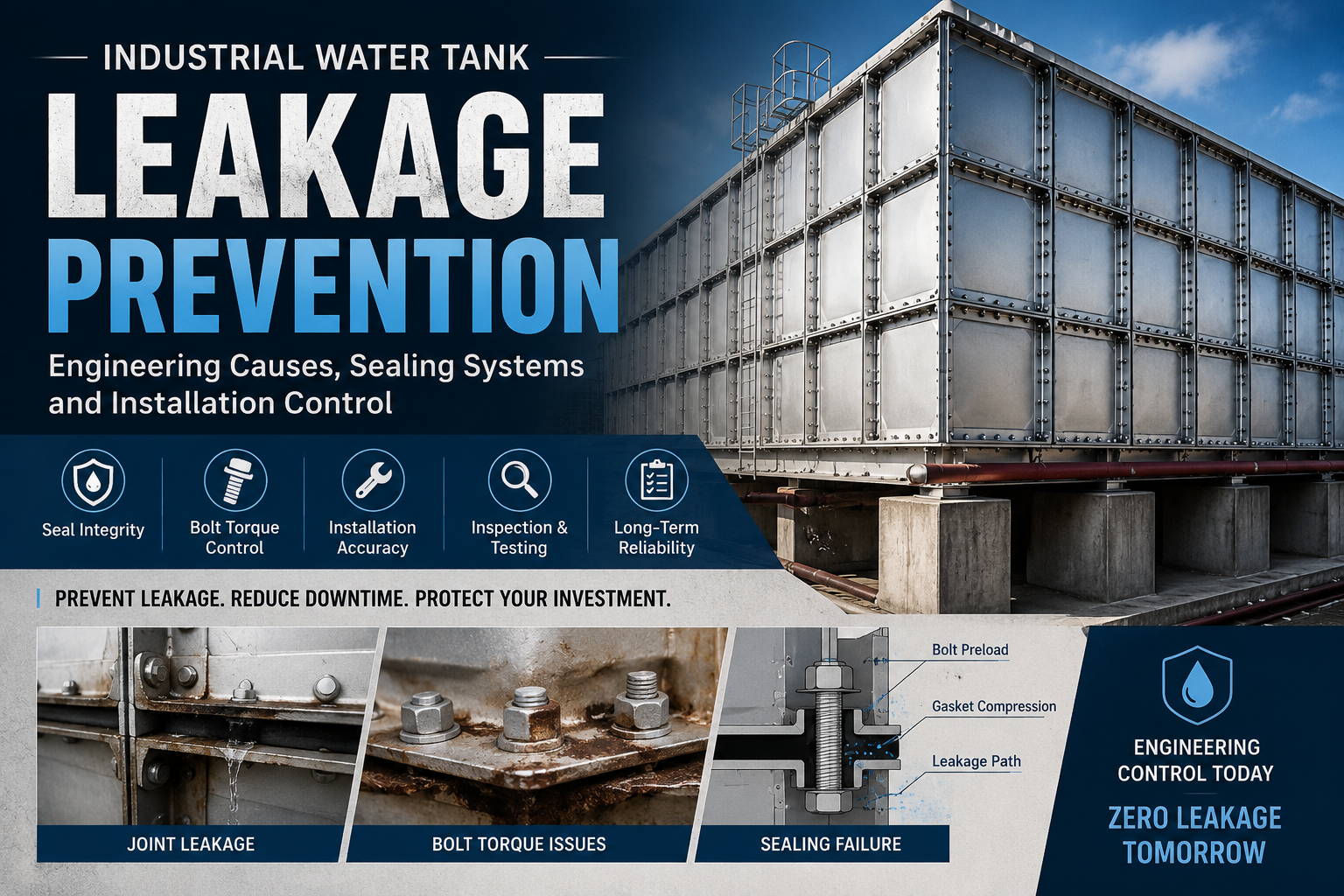
A stainless steel water tank is constructed from high-quality stainless steel, typically grades 304 or 316, depending on application requirements. These materials provide superior resistance to corrosion, high temperatures, and chemical reactions, while maintaining structural integrity. These tanks are designed in modular or welded formats, allowing for capacities ranging from a few hundred liters to thousands of cubic meters. Their seamless design ensures minimal leakage, reducing contamination risks and enhancing water safety.
Types of Stainless Steel Tanks
Welded stainless steel tanks are large, permanent installations ideal for municipal water supply or industrial process water. Panelized or modular stainless steel tanks are prefabricated panels bolted together on-site, making them easier to transport and install in remote or restricted areas. Insulated stainless steel tanks are suitable for temperature-sensitive water or chemicals, reducing energy loss and maintaining water quality.
Advantages of Stainless Steel Water Tanks
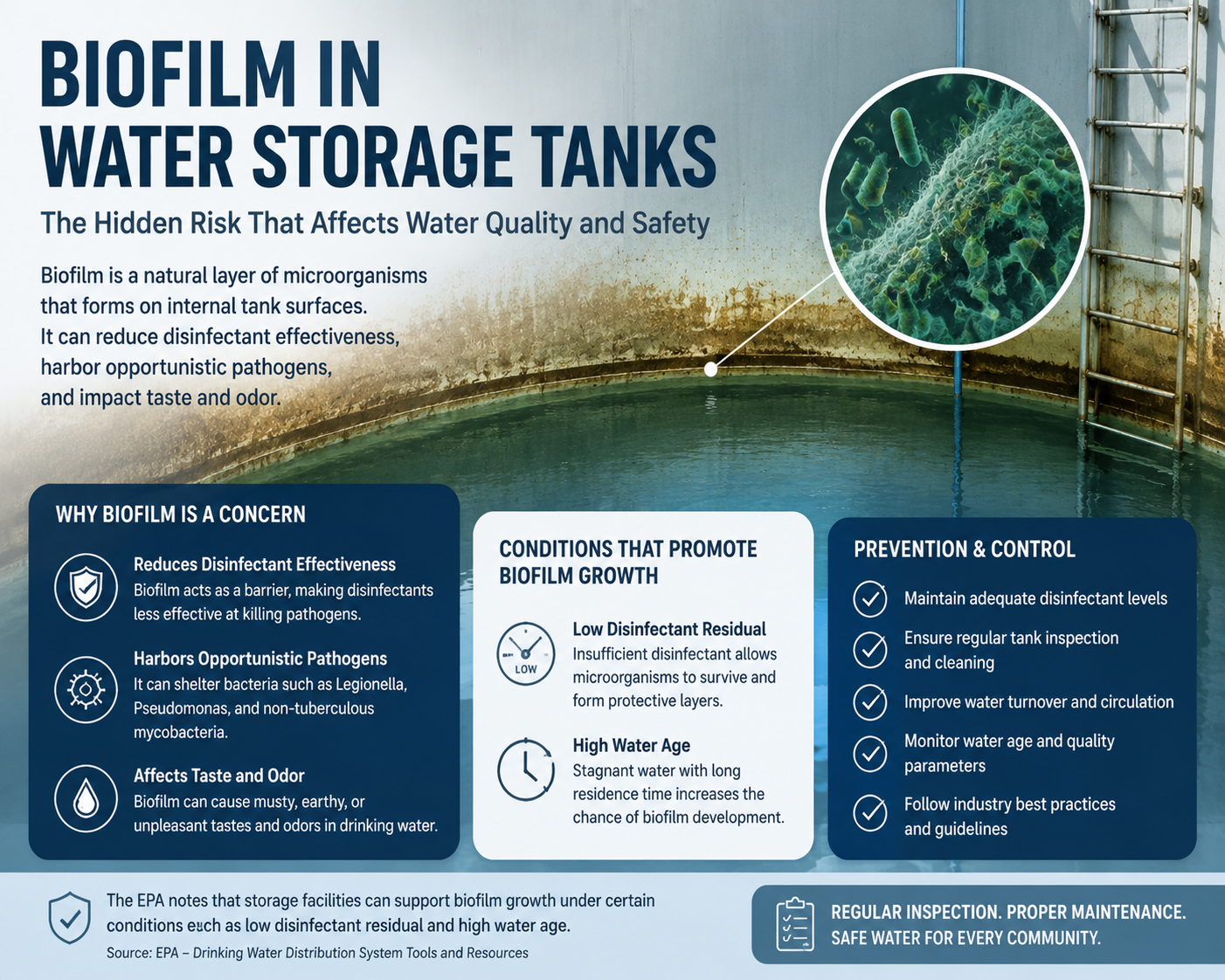
Stainless steel water tanks offer exceptional corrosion resistance because stainless steel naturally forms a passive layer of chromium oxide that protects the material from oxidation and rust, even in harsh chemical or coastal environments. Their non-porous, easy-to-clean surface prevents bacterial growth and biofilm formation, making them suitable for potable water and food-grade applications. Stainless steel can withstand high pressures, seismic activity, and temperature fluctuations without deforming or leaking. Unlike galvanized or carbon steel tanks, stainless steel requires minimal coating or anti-corrosion treatments over its lifespan. Properly manufactured and installed stainless steel tanks can last 30–50 years, ensuring long-term reliability.
Applications of Stainless Steel Water Tanks
Galvanized water storage tanks serve a wide variety of sectors due to their strength and adaptability. Municipal water systems use them for clean and safe water distribution. Industrial facilities rely on them for chemical process water, cooling systems, and food production. In pharmaceutical and healthcare sectors, stainless steel tanks meet high hygiene standards for pure water and sanitation. They also serve as emergency water storage for fire protection and provide durable irrigation and drinking water for agriculture and livestock. Their modular design, combined with corrosion resistance, makes them an excellent fit for regions with high humidity or saline soil conditions.
Technical Comparison: Stainless Steel vs Other Tanks
| Feature / Tank Type | Stainless Steel | Galvanized Steel | FRP | Plastic |
|---|---|---|---|---|
| Corrosion Resistance | Excellent | Good | Excellent | Moderate |
| Hygienic / Food Safety | Excellent | Good | Good | Medium |
| Structural Strength | Very High | High | Medium | Low |
| Maintenance Needs | Low | Low | Medium | High |
| Service Life | 30–50 years | 20–30 years | 20–25 yrs | 10–15 yrs |
| Installation Flexibility | Moderate | Moderate | Easy | Easy |
| Ideal Applications | Food, Pharma, Industrial, Municipal | Industrial | Industrial, Wastewater | Residential |
This comparison helps industrial buyers decide between different materials based on durability, hygiene, and long-term performance.
Manufacturing and Quality Standards
Stainless steel water tanks are built according to strict standards to ensure performance and safety. ASTM A240 / A312 sets stainless steel material standards. ISO 9001 / ISO 14692 ensures manufacturing quality management and piping system compliance. NSF/ANSI 61 certifies potable water safety. EN 10088 specifies corrosion resistance and mechanical properties for stainless steel. High-quality fabrication involves precision welding, seamless construction, and electropolishing for hygiene, followed by pressure and leakage testing to ensure safety and reliability.
Maintenance Guidelines
Routine inspections for welds and joints are recommended. Cleaning should be performed with non-abrasive, food-grade detergents. Water quality should be monitored, and chemical exposure that could damage the passive oxide layer should be avoided. Tanks should be properly grounded to prevent galvanic corrosion if combined with other metals.

Case Study: Stainless Steel Tanks in a Municipal Water System
A municipal project in Singapore installed a 5000 m³ modular stainless steel tank system for clean water storage. The tanks operated continuously under high humidity and urban pollution conditions. After three years, inspections showed no corrosion, no leakage, and stable water quality, highlighting stainless steel’s long-term reliability in critical applications.
Conclusion
Stainless steel water tanks provide a high-performance, hygienic, and durable solution for modern water storage needs. Their corrosion resistance, structural strength, and low maintenance make them ideal for industrial, municipal, and commercial applications. By selecting certified stainless steel tanks, organizations ensure water safety and long-term system reliability.
FAQ
How long do stainless steel water tanks last?
Typically 30–50 years, depending on environmental conditions and maintenance.
Can stainless steel tanks be used for potable water?
Yes, especially those certified under NSF/ANSI 61 or similar standards.
How do stainless steel tanks compare to galvanized tanks?
They provide superior corrosion resistance, hygiene, and longer service life but can have higher initial material requirements.
Are stainless steel tanks suitable for coastal areas?
Yes, particularly grade 316, which resists saltwater corrosion.
What maintenance is required?
Routine inspection, gentle cleaning, and monitoring for any mechanical damage or water contamination.