Table of Contents
Introduction
Stainless steel water tanks are widely recognized for their exceptional corrosion resistance, hygienic properties, and long-term durability. They are essential in industries where water quality and reliability are critical, including food and beverage, pharmaceuticals, chemical processing, and commercial facilities.
This article explores the design, applications, advantages, material characteristics, and maintenance of stainless steel water tanks, providing a comprehensive guide for engineers, facility managers, and procurement teams.
What Are Stainless Steel Water Tanks?
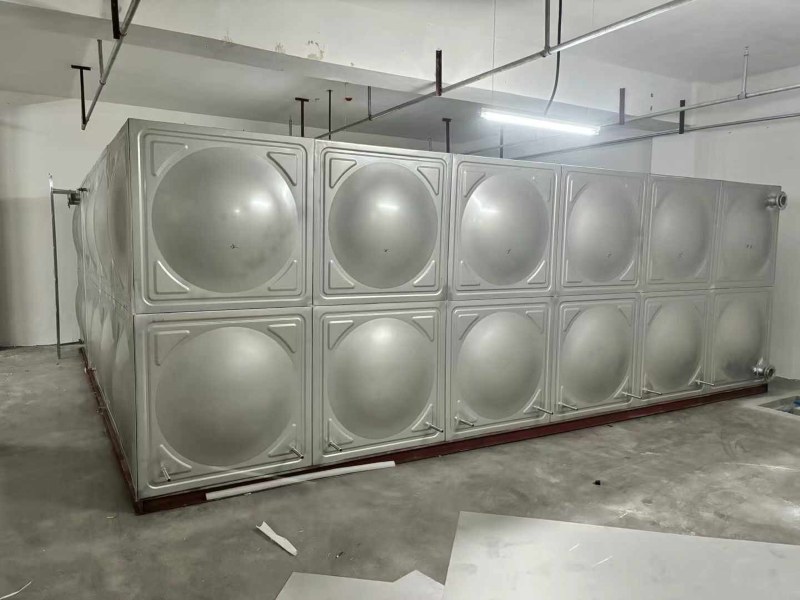
Stainless steel water tanks are constructed from high-grade stainless steel, usually 304 or 316 grades, which provide superior resistance to corrosion, high temperatures, and chemical exposure. Unlike galvanized tanks, stainless steel tanks are inherently non-corrosive and do not require additional coatings or liners for most applications. Their smooth interior surfaces minimize bacterial growth, making them ideal for potable water and food-processing operations.
Advantages of Stainless Steel Water Tanks
- Exceptional Corrosion Resistance: Resistant to rust, chemicals, and high-temperature water.
- Hygienic and Food-Grade: Smooth interior prevents bacterial contamination, suitable for potable water and food processing.
- Durable and Long-Lasting: Can last 20–40 years with minimal maintenance.
- Low Maintenance Requirements: No coating needed; easier to clean and inspect.
- Temperature Resistance: Can handle hot water and thermal cycling without degrading.
Industrial Applications
Food and Beverage Industry
Used for storing potable water, process water, and cleaning water in breweries, dairies, and beverage plants. The hygienic surface ensures water quality and compliance with food safety standards.
Pharmaceutical and Biotechnology
High purity water storage is critical in pharmaceutical production, biotech labs, and hospitals. Stainless steel tanks provide reliable storage for water used in formulation, cleaning, and sterilization.
Chemical Processing
Suitable for corrosive chemical storage, mixing, or processing where other metals or materials may fail. Stainless steel resists acids, alkalis, and solvents.
Commercial Buildings
Used for potable water storage in hotels, hospitals, and high-rise office buildings. Stainless steel tanks provide clean, reliable water and long-term operational safety.
Cooling and HVAC Systems
Industrial facilities rely on stainless steel tanks for chilled water storage, boiler feed water, and cooling tower make-up water. High-temperature tolerance and durability make them ideal for continuous operation.
Fire Protection Systems
Although galvanized tanks are common for fire water, stainless steel tanks are also used in facilities requiring higher durability or where water quality must be maintained.
Comparison Table: Stainless Steel Tanks vs Other Materials
| Tank Type | Corrosion Resistance | Hygiene | Maintenance | Ideal Applications | Lifespan |
|---|---|---|---|---|---|
| Stainless Steel | Excellent | High | Very Low | Food, pharma, potable water | 20–40 years |
| Galvanized Steel | High | Moderate | Low | Fire water, irrigation, general storage | 30–60 years |
| Enamel Steel | Very High | Moderate | Low | Municipal water, industrial storage | 30–50 years |
| Fiberglass | Medium–High | Moderate | Low | Rooftop, chemical storage | 20–30 years |
| Underground Tanks | Varies | Moderate | Moderate | Space-limited facilities | 30+ years |
Design Considerations
Capacity Sizing: Volume must meet peak demand and emergency requirements.
Structural Support: Stainless steel tanks are heavy; proper bases and support rods are essential for stability.
Temperature and Pressure: Suitable for hot water storage; design must account for thermal expansion.
Water Quality: For potable water, food, or pharmaceutical use, ensure compliance with hygiene and safety regulations.
Integration: Can be combined with pumps, monitoring systems, and automation for efficient water management.
Maintenance Guidelines
- Inspect for surface contamination or scratches periodically.
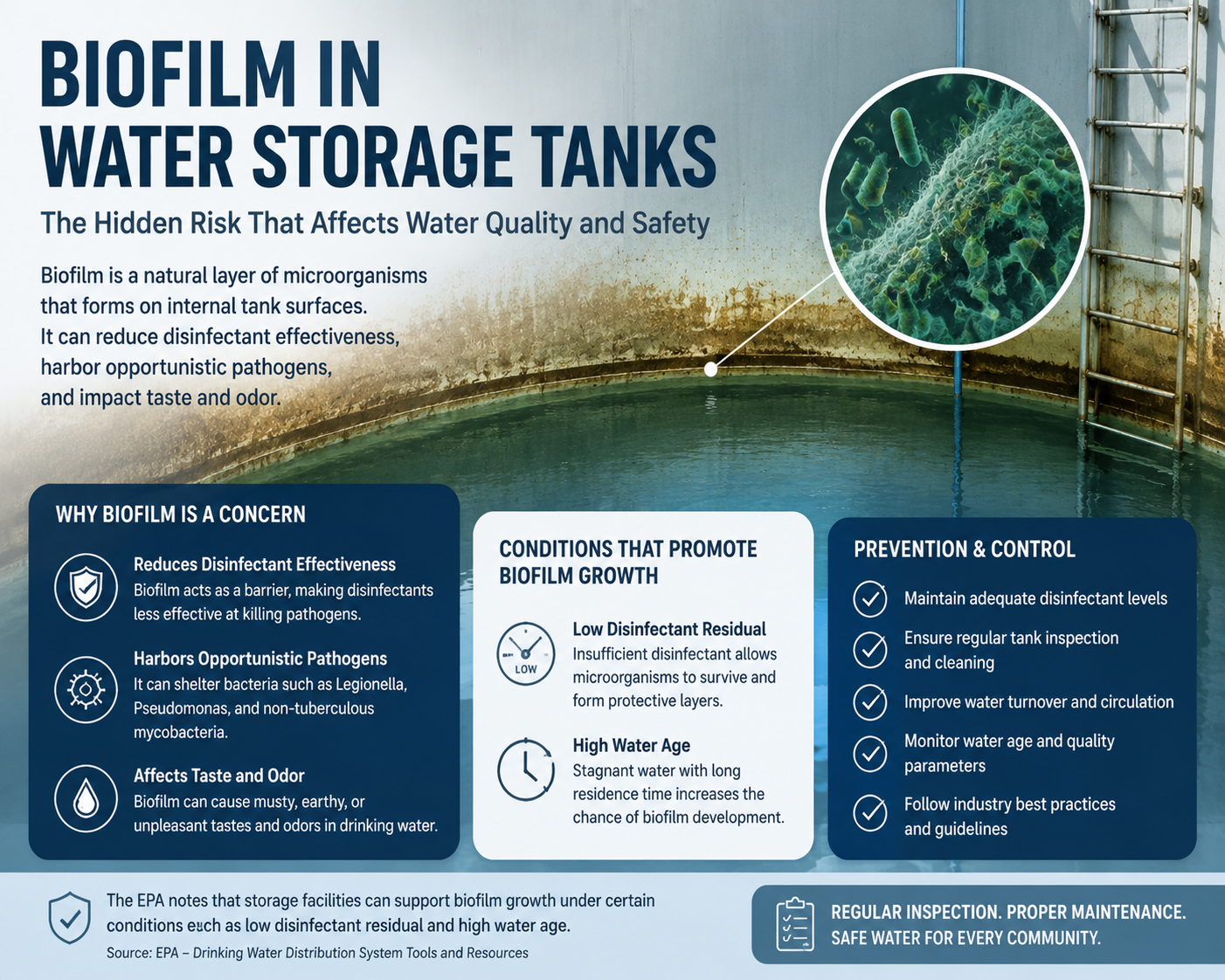
- Clean interior surfaces regularly to prevent scaling or biofilm formation.
- Check structural supports and bases to maintain stability.
- Calibrate sensors and valves if integrated into automated systems.
Conclusion
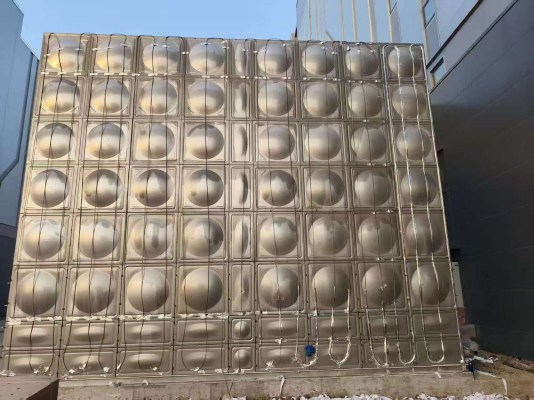
Stainless steel water tanks provide a premium solution for industrial, commercial, and food-grade water storage. Their exceptional durability, corrosion resistance, and hygienic properties make them indispensable in industries where water quality is critical. Proper design, installation, and maintenance ensure reliable performance, long-term safety, and operational efficiency.
FAQ
What are stainless steel water tanks used for?
They are used for potable water, industrial process water, food and beverage storage, pharmaceuticals, cooling systems, and fire protection.
How long do stainless steel water tanks last?
With proper maintenance, high-quality stainless steel tanks can last between 20 to 40 years.
Are stainless steel tanks suitable for hot water storage?
Yes, they are resistant to high temperatures and thermal cycling, making them ideal for hot water applications.
Can stainless steel tanks store drinking water safely?
Yes, their smooth, non-corrosive surface ensures water hygiene, making them suitable for potable water and food-grade applications.
How should stainless steel water tanks be maintained?
Regular cleaning, inspection for scratches or contamination, checking support structures, and monitoring automated systems ensure long-term performance.