Table of Contents
Introduction
Stainless steel water tanks are widely recognized for their exceptional durability, corrosion resistance, and hygienic properties. Used in municipal, industrial, agricultural, and commercial applications, they offer a reliable solution for both potable and non-potable water storage. With the increasing demand for long-term infrastructure, stainless steel tanks have become a preferred choice for organizations seeking safety, efficiency, and low maintenance in their water storage systems.
This article explores stainless steel water tanks in depth, covering their material advantages, design considerations, installation best practices, applications, maintenance, and environmental compliance. It also discusses how integration with water tank bases and support rods enhances structural stability and operational reliability.

What Are Stainless Steel Water Tanks
Stainless steel water tanks are storage containers made from high-grade stainless steel alloys, commonly 304 or 316 grades. These materials provide superior resistance to corrosion, chemical reactions, and environmental wear. Stainless steel tanks are available in above-ground, underground, and modular formats, allowing flexible deployment depending on space, capacity, and project requirements.
Compared to galvanized or enamel water tanks, stainless steel tanks combine strength with hygiene, making them ideal for potable water storage and industrial processes where water quality is critical.
Key Advantages of Stainless Steel Water Tanks
Corrosion Resistance
Stainless steel naturally forms a protective chromium oxide layer, preventing rust and corrosion. This makes the tanks suitable for long-term storage in harsh environments and minimizes maintenance costs.
Hygienic Properties
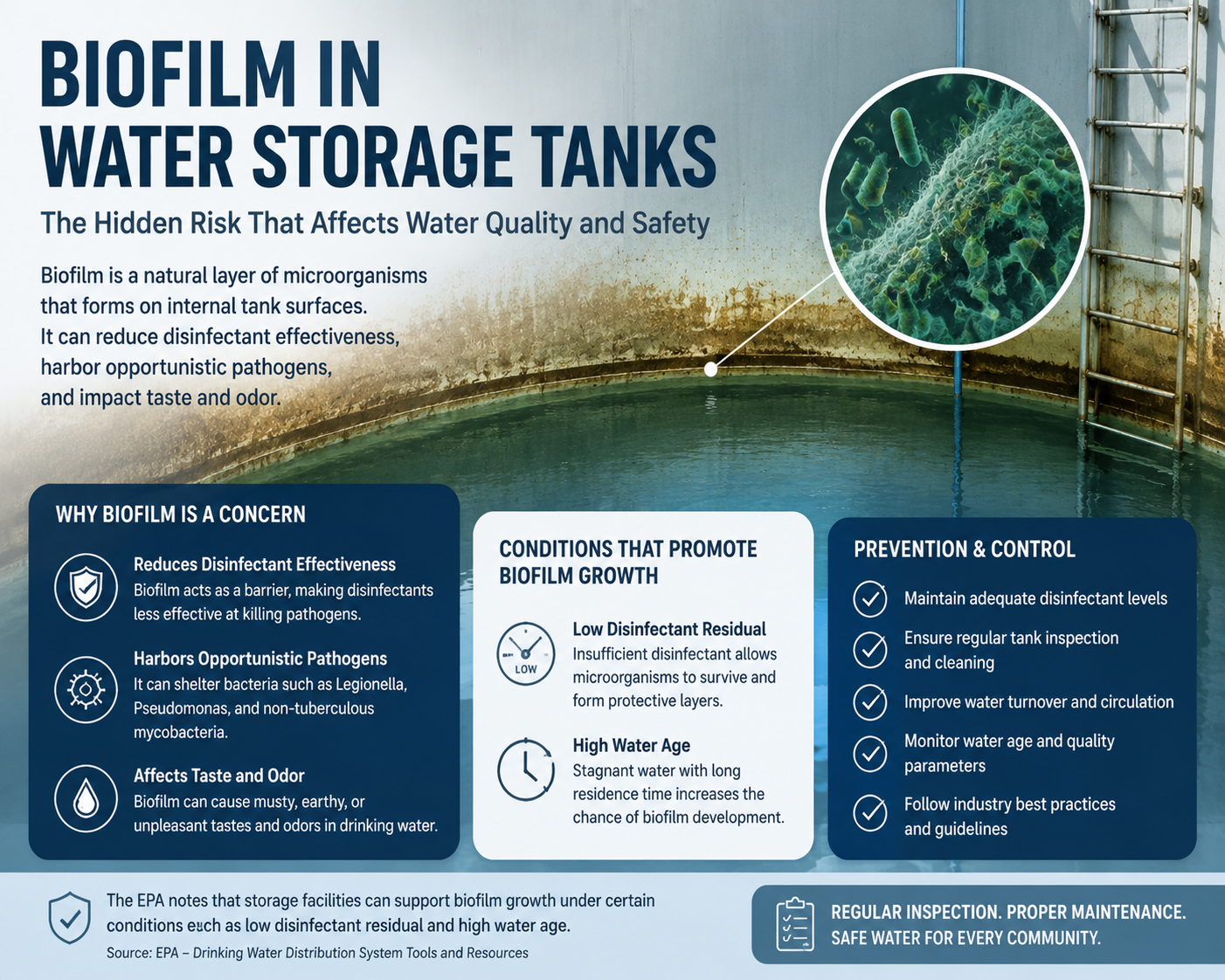
The smooth, non-porous surface of stainless steel prevents bacterial growth, biofilm formation, and water contamination. This is crucial for potable water storage and food or beverage applications.
Longevity and Durability
With proper installation and maintenance, stainless steel tanks can last 25–50 years. Their high tensile strength and resistance to external loads reduce the risk of structural failure.
Versatility and Capacity
Stainless steel tanks can be manufactured in a wide range of capacities, from small modular tanks to large industrial or municipal storage systems. They are suitable for both above-ground and underground installations, integrated with support rods and reinforced bases for added stability.
Design and Structural Considerations
Material Grades and Thickness
The choice between 304 and 316 stainless steel depends on water quality, exposure to chemicals, and environmental conditions. Thickness selection ensures resistance to hydrostatic pressure and external loads.
Water Tank Bases and Support Rods
Proper foundation design and the use of support rods ensure even load distribution and prevent tank deformation. This is particularly important for large-capacity tanks or underground installations.
Thermal Expansion and Stress Management
Stainless steel expands and contracts with temperature changes. Flexible joints and proper anchoring mitigate stress, extending the tank’s service life.
Installation Process Overview
Site Preparation
Evaluating soil conditions, accessibility, and surrounding structures is essential. Adequate excavation and leveling prevent future settlement issues.
Foundation and Tank Placement
A reinforced concrete or modular base supports the tank’s weight and prevents uneven stress. Support rods or brackets stabilize the structure.
Pipeline and Valve Connections
All inlet, outlet, and overflow connections should be installed with leak-proof joints. Pressure testing ensures structural integrity and water quality.
Commissioning and Testing
After installation, tanks are flushed, cleaned, and tested for leaks, water quality, and pressure performance before operational use.

Applications of Stainless Steel Water Tanks
Potable Water Storage
Municipal systems, residential complexes, and commercial buildings rely on stainless steel tanks for safe drinking water storage due to their hygienic surfaces and durability.
Industrial Water Systems
Used for process water, cooling water, and chemical solutions, stainless steel tanks resist corrosion and maintain water quality under demanding conditions.
Fire Protection Systems
Large-capacity stainless steel tanks provide reliable fire water storage, often installed underground or integrated with reinforced bases for added security.
Agricultural Irrigation
Farmers use stainless steel tanks for irrigation water storage, especially where water quality and long-term durability are essential.
Maintenance and Safety Considerations
Routine Inspection
Inspect tanks periodically for corrosion, joint integrity, and structural stability.
Cleaning and Sanitization
Potable water tanks require regular cleaning and disinfection to maintain water quality. Stainless steel surfaces facilitate easier cleaning compared to enamel or fiberglass tanks.
Structural Monitoring
Monitoring for settlement, temperature-induced stress, or unusual loads ensures long-term safety and performance.
Table: Stainless Steel Tank Specification Comparison
| Material Grade | Corrosion Resistance | Structural Strength | Typical Applications | Advantages |
|---|---|---|---|---|
| 304 Stainless Steel | High | High | Potable water, general industrial | Cost-effective, durable |
| 316 Stainless Steel | Very High | High | Chemical, seawater, high-purity water | Superior corrosion resistance, hygienic |

Environmental and Regulatory Compliance
Environmental Benefits
Stainless steel is 100% recyclable and produces minimal environmental waste during fabrication.
Regulatory Standards
Design and installation must comply with local water storage, fire protection, and hygiene regulations. Tanks should integrate with approved support systems for safety and longevity.
Conclusion
Stainless steel water tanks provide a durable, hygienic, and versatile solution for water storage across municipal, industrial, agricultural, and fire protection applications. Proper material selection, integration with water tank bases and support rods, and adherence to installation best practices ensure long-term performance and reliability.
FAQ
What are the main advantages of stainless steel water tanks?
They offer corrosion resistance, hygienic surfaces, durability, and versatility in capacity and installation.
Which stainless steel grade should I choose for potable water?
304 stainless steel is suitable for general potable water, while 316 is recommended for high-purity or chemically sensitive water.
Why are water tank bases and support rods important?
They ensure structural stability, distribute load evenly, and prevent deformation under internal water pressure and external forces.
How often should stainless steel water tanks be cleaned?
For potable water, tanks should be cleaned and disinfected at least once or twice a year, depending on local regulations.
Can stainless steel tanks be installed underground?
Yes, stainless steel tanks can be installed underground with reinforced bases and support rods to handle soil pressure and hydrostatic loads.
Need Expert Advice on Stainless Steel Water Tanks?
If you are planning a new water storage system or evaluating an existing installation, our experts can help you choose the right stainless steel tank type, support system, and installation strategy. Contact us today for a consultation and ensure your water storage solution is safe, durable, and efficient.