Table of Contents
Proper Stainless Steel Water Tank maintenance is essential for ensuring the longevity, efficiency, and cleanliness of your water storage system. Stainless steel tanks are a popular choice in both residential and commercial applications because of their durability, corrosion resistance, and ability to withstand high pressures. However, like any other equipment, regular maintenance is necessary to maintain optimal performance and avoid costly repairs.
In this article, we will explore the best practices for Stainless Steel Water Tank maintenance, including cleaning techniques, inspection tips, and common mistakes to avoid. Whether you have a small residential water tank or a large industrial system, this guide will help you keep your stainless steel tank in top condition.
Why Regular Stainless Steel Water Tank Maintenance Is Crucial
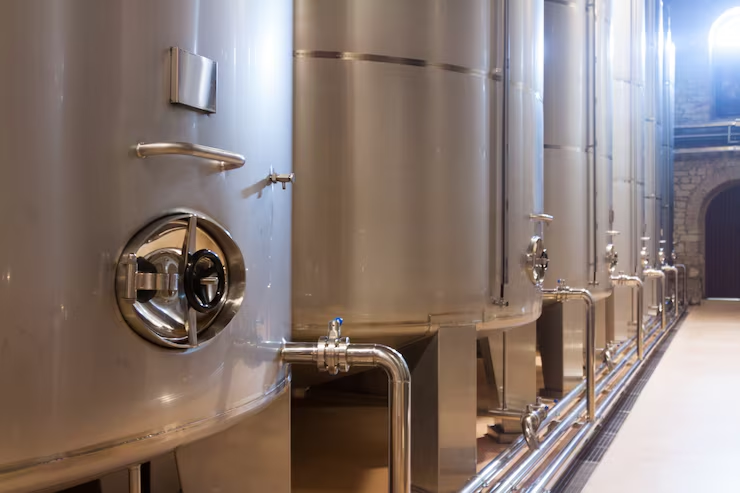
The main reason why Stainless Steel Water Tank maintenance is so important is that it prevents issues such as contamination, corrosion, and structural damage. Stainless steel is highly resistant to rust, but if it is not maintained properly, scale buildup, waterborne bacteria, and mold can cause long-term problems.
Common Issues Without Maintenance
Corrosion and Rust: Although stainless steel is resistant to rust, exposure to certain chemicals and environmental conditions can still lead to corrosion.
Contaminants and Debris: Lack of regular cleaning can cause dirt, rust particles, and other debris to accumulate inside the tank, affecting water quality.
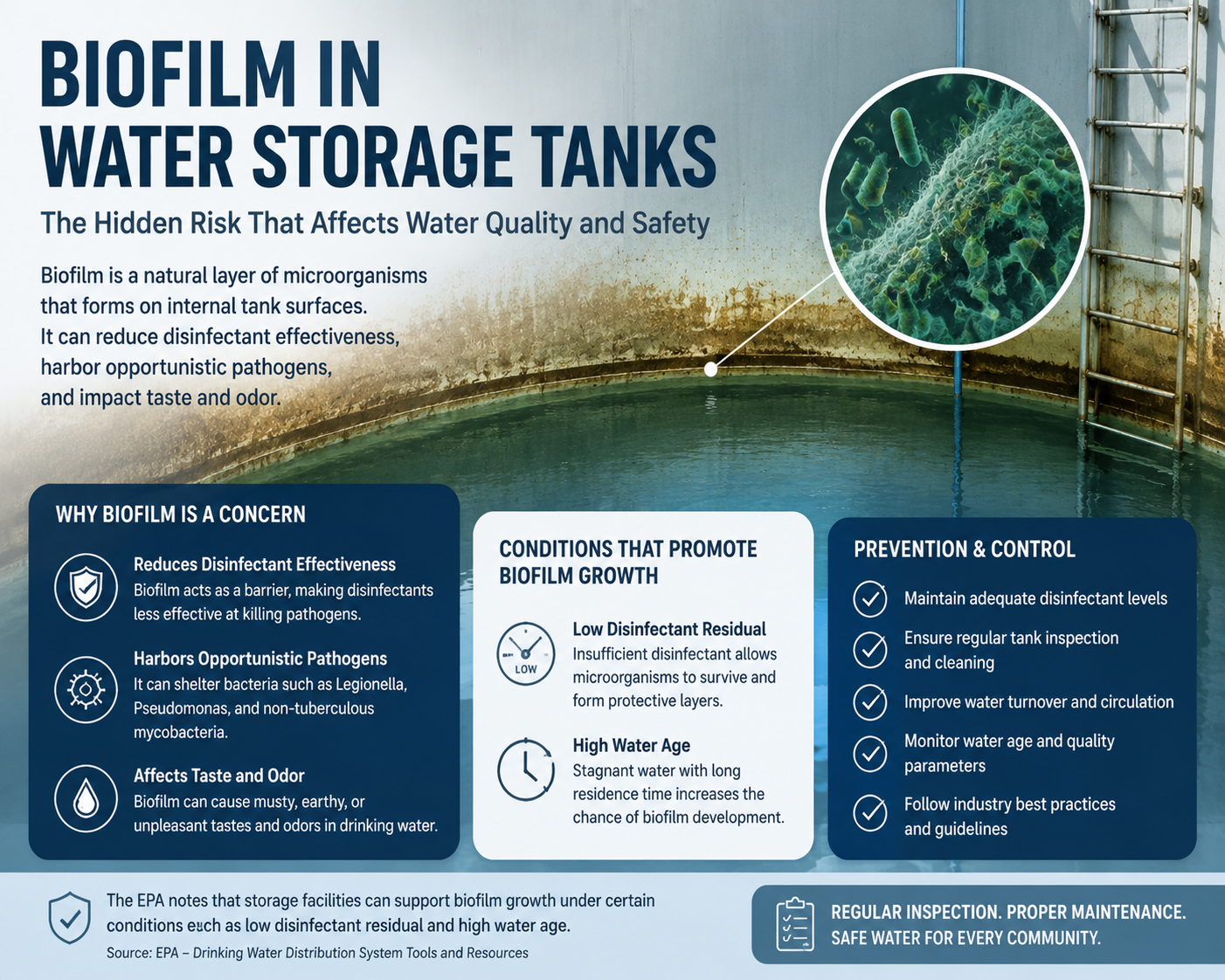
Bacterial Growth: Standing water in poorly maintained tanks can become a breeding ground for bacteria and algae.
Cleaning Your Stainless Steel Water Tank
One of the primary aspects of Stainless Steel Water Tank maintenance is keeping the tank clean. Regular cleaning helps remove dirt, scale buildup, and contaminants that can degrade water quality.
Cleaning Frequency
- Residential Systems: For residential use, it’s recommended to clean your stainless steel water tank at least once every 1-2 years.
- Commercial Systems: Larger systems used in commercial or industrial settings may require cleaning every 6 months or more, depending on usage.
Cleaning Steps
1.Drain the Tank: Start by draining the tank completely. Ensure that all the water is removed to make the cleaning process more effective.
2.Scrub the Interior: Use a non-abrasive cloth or sponge along with a mild detergent to scrub the interior of the tank. Avoid harsh chemicals that could damage the stainless steel surface.
3.Rinse Thoroughly: After scrubbing, rinse the tank thoroughly with clean water to remove any residue from the cleaning agents.
4.Disinfect the Tank: You can use a diluted bleach solution or a specialized cleaner for stainless steel to disinfect the tank. Make sure the disinfectant is safe for drinking water if the tank is used for potable water storage.
Regular Inspection of Your Stainless Steel Water Tank
Regular inspections are an integral part of Stainless Steel Water Tank maintenance. Inspections help identify potential problems early, allowing you to address them before they develop into more significant issues.
What to Look for During Inspections
- Leaks or Cracks: Check the seams, valves, and joints for any signs of leakage or cracks.
- Surface Integrity: Examine the surface of the tank for any visible rust, pitting, or other damage. Pay close attention to areas that are frequently in contact with water.
- Sediment and Scale: Accumulation of sediment and scale can clog the tank and reduce its efficiency. Check the bottom for any buildup.
- Water Quality: Regularly test the water quality inside the tank, especially if the tank is used for drinking water. Check for cloudiness or any unusual smells.
Frequency of Inspections
- Residential Systems: Inspections should be conducted annually or whenever you perform a routine cleaning.
- Commercial Systems: For larger commercial or industrial systems, inspections should be carried out every 6 months to ensure that the tank remains in optimal condition.
Handling Common Issues in Stainless Steel Water Tanks
Even with regular maintenance, certain issues may arise that require attention. Here are some common problems and how to address them as part of your Stainless Steel Water Tank maintenance routine.
Corrosion and Rust
Cause: Even stainless steel can be susceptible to corrosion when exposed to aggressive chemicals or extreme environmental conditions.
Solution: If you notice signs of corrosion, use a stainless steel cleaner and polish to restore the surface. For severe corrosion, it may be necessary to replace parts or apply anti-corrosion coatings.
Clogged Drainage
Cause: Over time, sediment and debris can clog the drainage system, reducing the tank’s efficiency.
Solution: Periodically flush the drainage system and check for blockages. Clean the pipes and valves to ensure smooth water flow.
Water Contamination
Cause: If not cleaned regularly, contaminants like dirt, algae, or bacteria can accumulate in the tank.
Solution: Perform routine cleaning and disinfecting of the tank. For potable water tanks, consider installing a filtration system to keep the water clean.
Proper Installation and Location for Long-Term Maintenance
The location of your stainless steel water tank plays a crucial role in its maintenance and longevity. Poor installation or exposure to harsh environmental conditions can accelerate wear and tear, requiring more frequent Stainless Steel Water Tank maintenance.
Installation Tip
- Avoid Direct Sunlight: Prolonged exposure to direct sunlight can cause thermal expansion and weaken the material.
- Elevation: Ensure that the tank is elevated to prevent damage from standing water or flooding.
- Proper Ventilation: Make sure the tank is placed in a well-ventilated area to prevent stagnant air, which can lead to mold and algae growth.
Professional Maintenance and Service
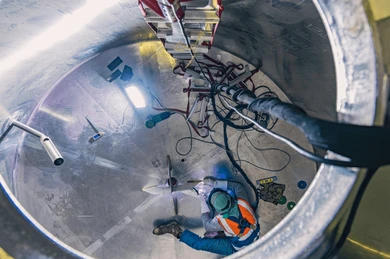
While regular cleaning and inspections can be done by the owner, professional maintenance services are also available for more complex issues. If you notice any significant damage or are unsure about the maintenance process, it’s a good idea to consult a professional to ensure the tank’s longevity.
Why Professional Help is Important
- Expert Assessment: Professionals can conduct a thorough evaluation of the tank and identify problems that may not be visible to the untrained eye.
- Advanced Repairs: If the tank requires welding, sealing, or other advanced repairs, a professional technician will have the necessary skills and tools to fix the problem effectively.
Conclusion: Maintaining Your Stainless Steel Water Tank
Stainless Steel Water Tank maintenance is essential to ensure the tank operates efficiently and lasts for many years. By following proper cleaning, inspection, and repair routines, you can prevent common problems and ensure that your tank continues to function at its best. Regular maintenance not only improves the longevity of the tank but also ensures that the water quality remains safe and clean.
If you would like to learn more about the knowledge and application contents of Stainless Steel Water Tank Maintenance, please click here.