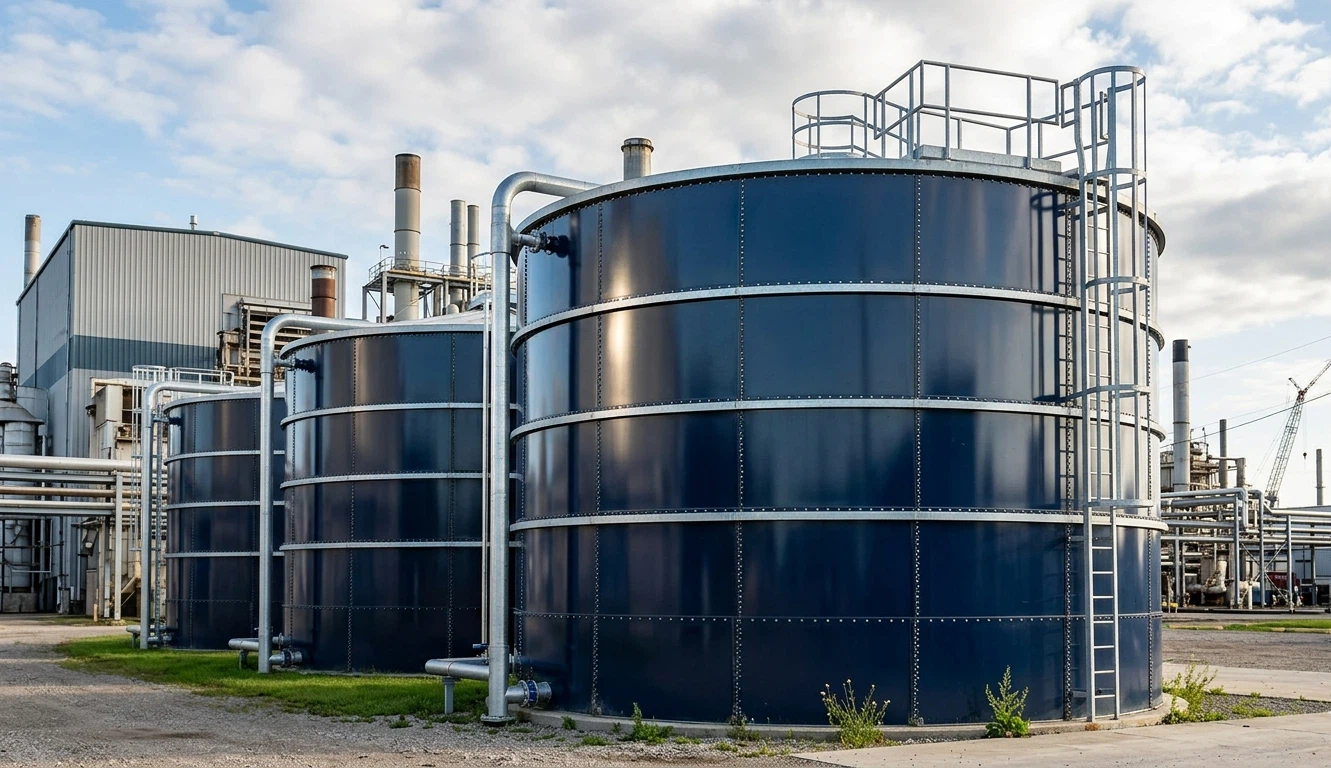
In an era where water self-sufficiency and property optimization are becoming top priorities for homeowners, the infrastructure we choose for resource management is critical. Traditional storage methods often consume valuable yard space or suffer from structural vulnerabilities. This is why the adoption of an underground water tank for home use has become the gold standard for modern residential landscapes. By moving storage beneath the surface, you not only preserve the aesthetic of your garden but also protect your water supply from external environmental factors.
Selecting the right underground water tank for home requires a deep understanding of material science and structural engineering. Whether for rainwater harvesting, emergency backup, or irrigation, the system must withstand constant soil pressure while maintaining water purity for years to come.
Оглавление
Material Engineering: Why HDPE Surpasses Traditional Concrete
Historically, concrete was the go-to material for subsurface storage, but it is prone to cracking and root intrusion over time. A modern underground water tank for home utilizes High-Density Polyethylene (HDPE) combined with advanced rotational molding technology. This process creates a seamless, one-piece structure that eliminates the risk of leaks at the joints—a common failure point in modular or welded tanks.
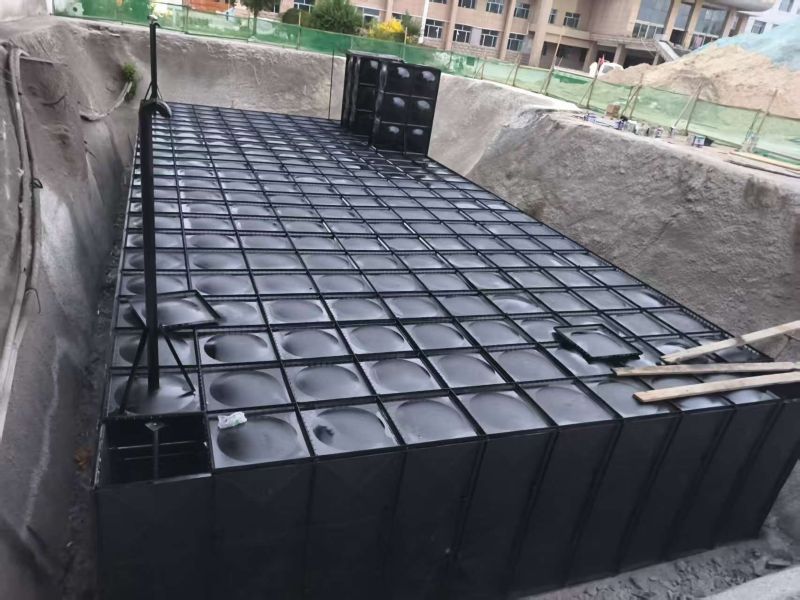
The chemical stability of HDPE ensures that an underground water tank for home will not corrode or degrade when buried in various soil types. Unlike metal or concrete, polyethylene is naturally resistant to the acids and alkalis found in ground soil, ensuring a lifespan that often spans decades without requiring internal relining or intensive maintenance.
Structural Integrity and the Ribbed Design Advantage
The primary challenge for any underground water tank for home is the external pressure exerted by the surrounding earth and potential surface loads. Engineering excellence in this field is visible in the “ribbed” exterior design. These integrated reinforcement ribs act as a skeletal structure, distributing the soil load evenly across the tank’s surface to prevent deformation or collapse.
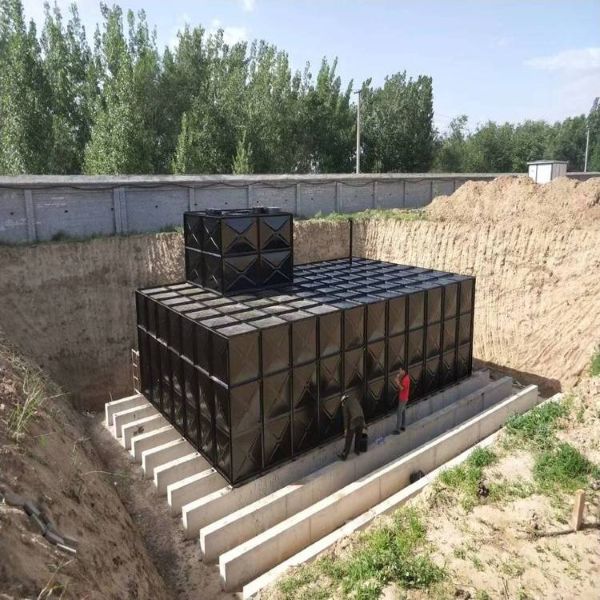
When installing an underground water tank for home, the depth of the burial and the soil density must be factored into the structural choice. A high-quality tank with optimized rib spacing allows for versatile installation options, even in areas with higher water tables or denser clay soils, providing peace of mind regardless of the geographic location.
Water Safety: Food-Grade Standards for Peace of Mind
Beyond structural strength, the quality of the stored water is paramount. A professional-grade underground water tank for home must be manufactured from 100% food-grade, BPA-free materials. This ensures that the water remains safe for domestic use, including gardening, toilet flushing, and, with proper filtration, potable drinking water applications.
| Особенность | Conventional Concrete Tank | HDPE Underground Water Tank for Home |
| Leaking Risk | High (Joint cracks) | Zero (Seamless one-piece) |
| Установка | Heavy machinery & long weeks | Lightweight & fast setup |
| Water Purity | Porous (Bacteria growth) | Non-porous (Food-grade) |
| Corrosion | High (Steel rebar rust) | Immune (Polyethylene) |
The light-shielding properties of a buried underground water tank for home also play a crucial role in water safety. By blocking all UV rays, the system prevents the growth of algae and other photosynthetic microorganisms, keeping the water clear and fresh even during long-term storage.
Enhancing Property Value and Space Optimization
For properties with limited outdoor footprints, an underground water tank for home is the ultimate space-saving solution. It allows for high-capacity storage of up to several thousand liters without occupying a single square meter of visible lawn or patio space. This “invisible” infrastructure is highly attractive to prospective buyers, adding tangible value to the real estate assets.
Furthermore, integrating an underground water tank for home into a comprehensive rainwater harvesting system can significantly reduce monthly utility bills. By capturing and storing runoff from the roof, homeowners can maintain lush landscapes during dry seasons without drawing from the municipal grid, making the property more sustainable and resilient.
Заключение
Investing in a high-quality underground water tank for home is a strategic decision that balances engineering performance with lifestyle convenience. From the seamless HDPE construction to the reinforced structural ribs, every detail of a modern tank is designed to provide a “fit and forget” solution for residential water management.
By prioritizing an underground water tank for home that meets international safety and durability standards, you are securing a reliable water future for your household. As climate variability increases, having a robust, hidden, and efficient storage system is no longer a luxury—it is a necessity for the modern home.
Часто задаваемые вопросы
How deep can an underground water tank for home be buried?
Typical residential installations range from 0.5 to 1.5 meters of soil cover. The specific depth depends on the tank’s reinforced rib design and the intended surface activity above the tank.
Does an underground water tank for home require professional maintenance?
One of the main benefits of HDPE tanks is their low maintenance. A simple inspection of the inlet filters once or twice a year is usually sufficient to keep the system running efficiently for years.