Оглавление
What is a Galvanized Water Tank?
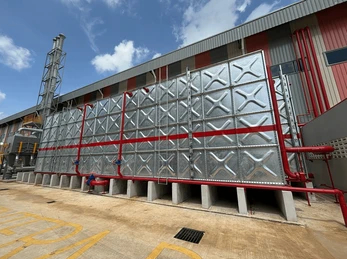
Оцинкованный резервуар для воды maintenance is crucial to ensure the longevity of the tank and the quality of the water it stores. Whether used for agricultural irrigation, industrial purposes, or domestic water storage, proper maintenance can prevent unnecessary repairs and significantly improve efficiency. Over time, if regular Galvanized Water Tank maintenance is not performed, the tank’s performance may degrade, leading to leaks, corrosion, or water contamination. This article will delve into how to maintain galvanized water tanks, ensuring their durability and optimal operation.
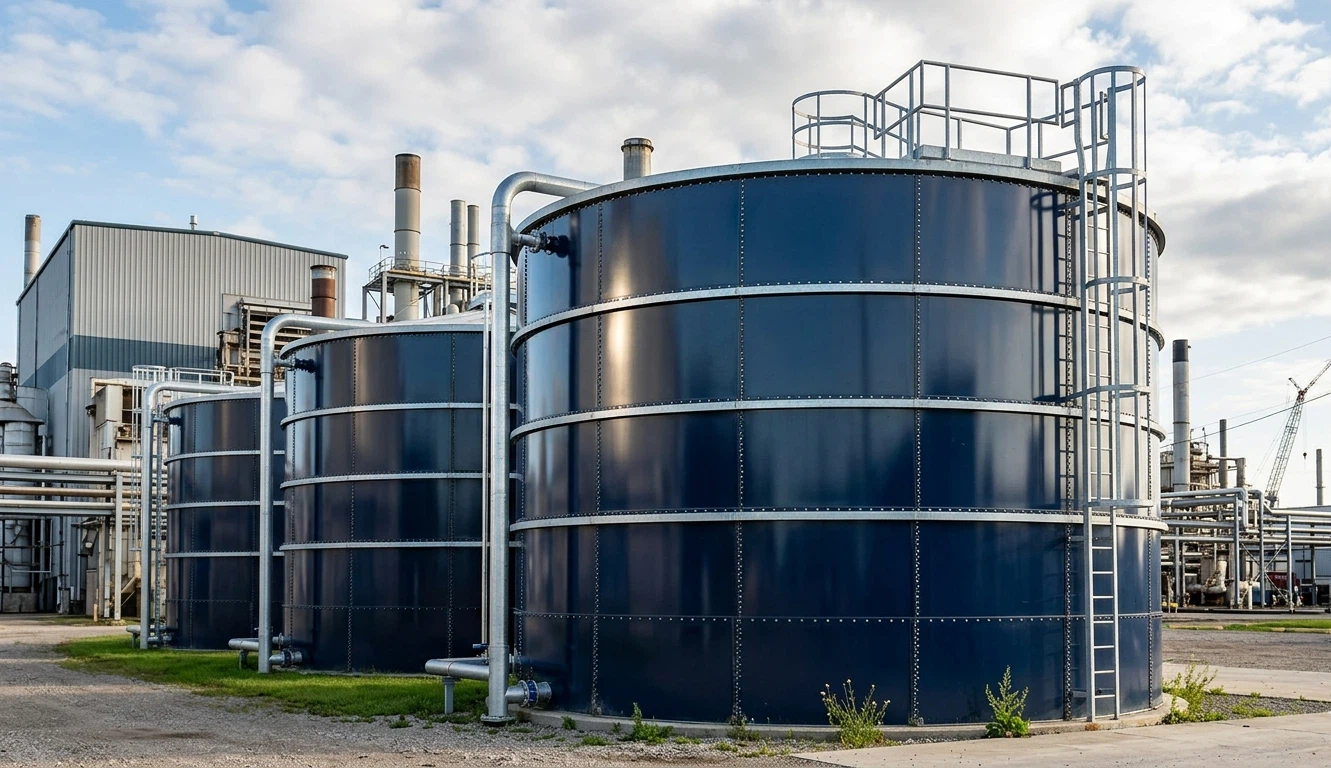
A galvanized water tank is made from galvanized steel sheets, with a layer of zinc applied to the surface to prevent corrosion of the steel. These tanks are commonly used to store water, chemicals, or other liquids and are widely used in agriculture, construction, and commercial sectors. Due to their durability and corrosion resistance, galvanized water tanks are the preferred choice in many industries. According to Wikipedia, galvanization is “the process of applying a protective zinc coating to steel or iron to prevent rusting“
While galvanized water tanks provide excellent corrosion protection, without proper maintenance, they can still experience leaks, rusting, or loss of functionality. Therefore, regular Galvanized Water Tank maintenance is essential to prolong the lifespan of the tank.
The Basics of Galvanized Water Tank Maintenance: Regular Inspections
The first and most important step in Galvanized Water Tank maintenance is conducting regular inspections of the tank and all its components. Checking the tank for cracks or leaks, especially at the bottom and seams, is essential. The supporting structure of the tank should also be checked to ensure there are no signs of rust or loose parts, which could lead to instability and damage to the tank.
Additionally, checking the integrity of the galvanized layer is critical. Over time, the galvanized layer may degrade due to wear, impact, or environmental factors such as salt. Timely repair of damaged galvanized layers can prevent more serious corrosion issues.
Maintaining Water Quality: Preventing Contamination and Scaling
Maintaining water quality is an important aspect of Galvanized Water Tank maintenance. The interior of the tank should be cleaned regularly to prevent the accumulation of scale, sludge, or microorganisms. Accumulated scale not only affects water quality but also reduces the efficiency of water storage. The frequency of cleaning depends on the cleanliness of the water source, but typically, cleaning once a year is recommended.
Maintaining water quality is an important aspect of Galvanized Water Tank maintenance. The interior of the tank should be cleaned regularly to prevent the accumulation of scale, sludge, or microorganisms. Accumulated scale not only affects water quality but also reduces the efficiency of water storage. The frequency of cleaning depends on the cleanliness of the water source, but typically, cleaning once a year is recommended.
Additionally, the top of the tank should always be kept sealed to prevent external contaminants from entering. Installing dust or insect nets can effectively prevent insects and debris from entering the tank, further ensuring the purity of the water.
Preventing Corrosion and Rust
While galvanized water tanks inherently offer some corrosion resistance, additional measures are necessary to prevent rust. Especially in humid environments or places with corrosive gases, it’s important to check the exterior of the tank and the seams for signs of rust. If any rust is found, it should be cleaned and re-galvanized immediately.
Avoiding direct exposure to extreme weather conditions is also crucial. The tank should be placed in a dry, ventilated area to reduce the impact of moisture and salt in the air. For areas particularly prone to corrosion, additional protection using anti-corrosion coatings can be considered.
Preventing Tank Damage: Maintenance and Repair
If any cracks, corrosion, or other damage is found on the galvanized water tank, it should be repaired immediately. Typically, repairs involve re-galvanizing the damaged area or applying anti-corrosion coatings to extend the tank’s lifespan. Professional repair techniques can effectively avoid unnecessary tank replacement, saving on substantial repair costs.
Additionally, to prevent the tank from being damaged by external impacts, protective fences or supports can be set up around the tank to ensure it is not subjected to accidental damage during use.
Common Issues and DIY Solutions
In daily use, galvanized water tanks may encounter some common problems. Knowing how to address these issues can help you easily handle minor faults and avoid major repairs. Below are some common issues and their solutions for Galvanized Water Tank maintenance:
Issue 1: What to do if you find small rust spots?
1.Sanding: Use sandpaper or an electric tool to gently sand away the rust spots.
2.Cleaning: After sanding, clean the area thoroughly to remove dust and debris.
3.Repairing: Use cold-galvanizing spray or epoxy resin coating to patch up the damaged areas, ensuring an even coat to prevent further rusting.
Issue 2: What to do if algae or sediment appears inside the tank?
1.Cleaning: Use a specialized tank cleaner to thoroughly clean the interior of the tank.
2.Disinfection: Apply an appropriate disinfectant to the interior to ensure the water quality is safe. After disinfection, rinse the tank thoroughly with clean water to remove any residual disinfectant.
Issue 3: What to do if there is slight leakage at the connection points?
If there is minor leakage at the connections, waterproof sealant can be used to seal the leaking area. Apply the sealant evenly and allow it to dry before checking if the leakage has stopped.
Emphasizing: When to Contact a Professional Manufacturer?
For structural deformations, large-scale corrosion, or other severe issues, it is recommended to contact a professional manufacturer for repairs. DIY repairs may not be sufficient for handling structural problems, so seeking professional help is crucial.
Using the Right Water Source and Environment
When performing Galvanized Water Tank maintenance, choosing the right water source and environment is essential. The tank’s environment should be kept dry and moderate, avoiding exposure to harsh weather conditions. Using clean water sources can reduce the chances of sediment and microorganism growth, thereby reducing the frequency of cleaning and the risk of water contamination.
If the water source is muddy, it is recommended to install a filtration system before the water enters the tank to ensure the water meets the necessary standards.
Proper Maintenance Methods
Galvanized Water Tank maintenance is not just about extending the tank’s lifespan; it’s also about ensuring the safety of the water stored and the stable operation of the system. By conducting regular inspections, cleaning, preventing corrosion, and applying appropriate repair techniques, you can minimize the damage and failure of the tank. With these basic maintenance methods, the efficiency and lifespan of galvanized water tanks will be significantly improved.