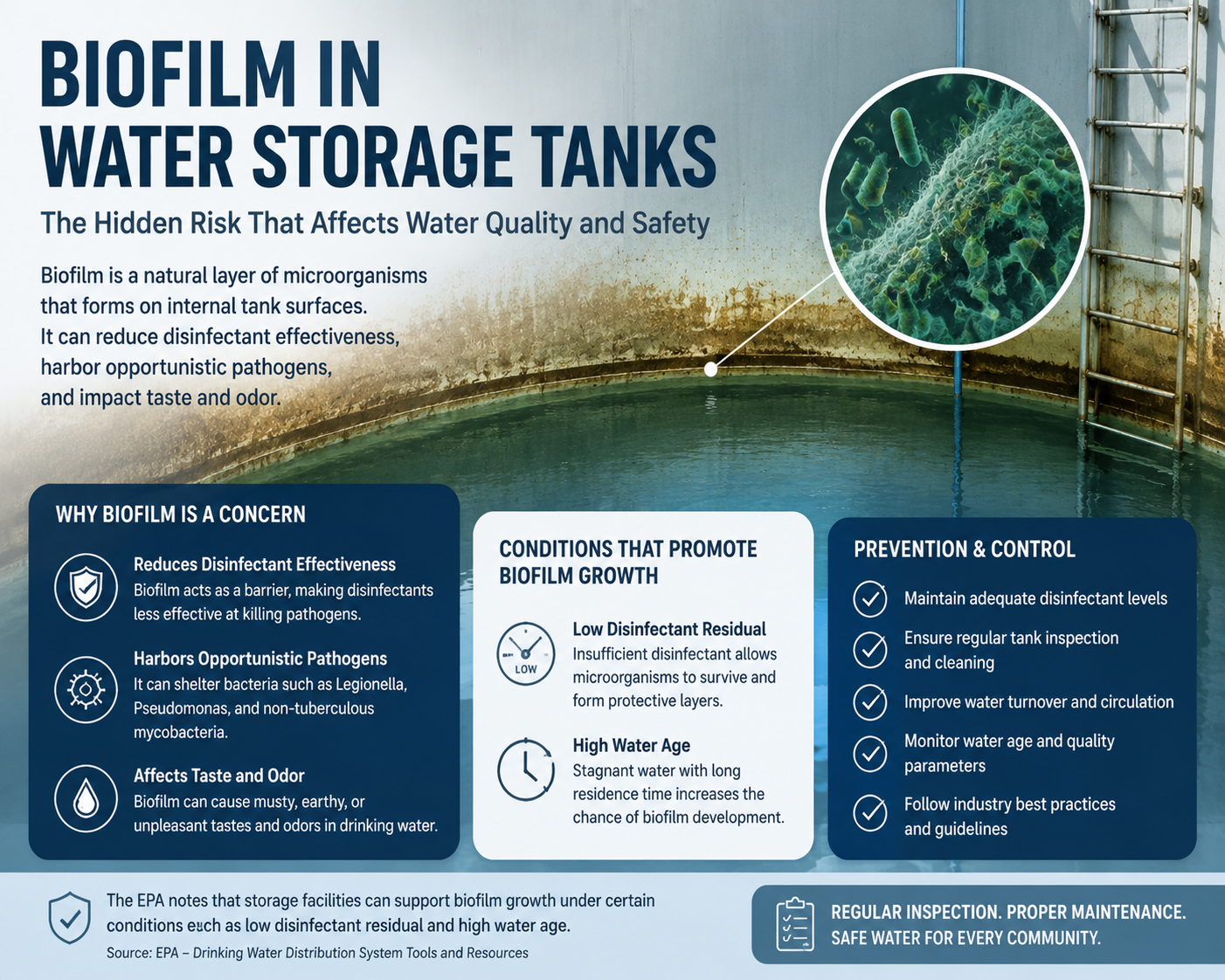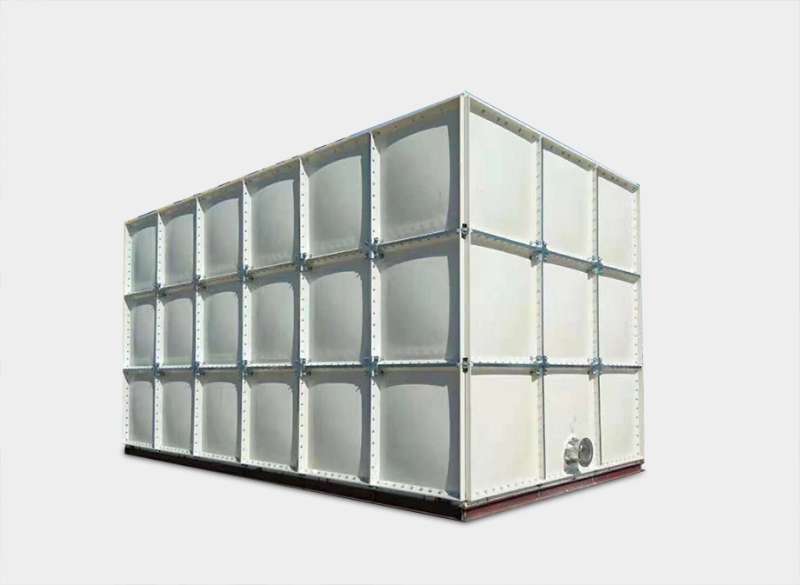
The reliability of your facility’s fire suppression system hinges on one critical component: the industrial fire water tank. In 2025, navigating the standards set by the National Fire Protection Association (NFPA) is not just recommended—it is mandatory for safety, insurance, and legal protection. This comprehensive guide will walk you through every essential aspect of NFPA compliance for your industrial water storage solution.
Table of Contents
Why NFPA 22 is the Foundation of Your Fire Safety Strategy
The NFPA 22 standard, Standard for Water Tanks for Private Fire Protection, provides the essential framework for the design, construction, installation, and maintenance of tanks used in private fire protection. Ignoring these guidelines puts lives and assets at risk. Staying compliant ensures your system will perform when it matters most.
Defining NFPA 22: Scope, Purpose, and Recent 2025 Updates
NFPA 22 covers the technical specifications to ensure water storage longevity and reliability. For 2025, staying current means reviewing any addenda or official interpretations released, particularly regarding new materials or seismic bracing requirements that might affect your region.
The High Cost of Non-Compliance: Legal, Insurance, and Safety Risks
Non-compliant systems can lead to denied insurance claims after an incident. Furthermore, local authorities having jurisdiction (AHJ) can issue stop-work orders or fines. The greatest cost, however, is the potential failure to extinguish a fire, leading to catastrophic loss.
Sizing Your Tank: Calculating Industrial Fire Water Capacity
Determining the correct tank size is the first major compliance hurdle. It directly impacts fire flow availability during an emergency.
Key Determinants: Hazard Classification vs. Water Duration Requirements
Tank sizing is dictated by the required fire flow (gallons per minute, GPM) and the necessary duration of that flow (usually hours), as determined by NFPA 13 or local fire codes based on your facility’s hazard classification (e.g., Ordinary Hazard Group 1 or 2). Industrial facilities often require longer retention times than commercial buildings.
Beyond the Volume: Understanding Usable vs. Total Capacity
A crucial distinction often missed is between the Total Volume and the Usable Capacity. The usable capacity is the actual water available for fire fighting, calculated as Total Volume minus the required Freeboard—the empty space at the top necessary to prevent overflow and accommodate movement. Only the usable capacity counts toward compliance.

Material Matters: Selecting NFPA-Compliant Tank Construction
The material of construction affects durability, lifespan, and maintenance costs, all under the NFPA umbrella.
Steel vs. Fiberglass vs. Concrete: A Compliance Checklist
The choice of material must meet structural integrity requirements under various environmental loads (snow, wind, seismic activity).
| Material Type | Primary Advantage | Typical Lifespan (with maintenance) | NFPA 22 Material Acceptance |
| Steel (Welded/Bolted) | High strength, established history | 30 – 50+ Years | Generally Accepted |
| Fiberglass (FRP) | Excellent corrosion resistance | 30+ Years | Generally Accepted (Modular often requires specific certification) |
| Concrete | Extremely long life, robust | 50+ Years | Accepted |
Bolted vs. Welded Steel Tanks: Installation & Maintenance Considerations
Welded tanks offer a seamless internal surface, potentially reducing areas for sediment or corrosion attachment. Bolted tanks are often faster to erect on-site but require meticulous maintenance of bolt connections and gaskets to prevent leaks.
Freeze Protection: Mandatory Requirements for Cold Climates
In regions experiencing freezing temperatures, ensuring water remains available is paramount.
When is Tank Heating Required by NFPA 22?
NFPA 22 mandates specific measures if the lowest one-day mean temperature falls below certain thresholds, typically requiring water to be maintained at or above $42^\circ\text{F}$ ($5.6^\circ\text{C}$). If insulation alone cannot maintain this temperature, heating systems become mandatory.
Heater Types and Sizing for Industrial Tanks
Selecting the correct heater capacity is vital. Oversized heaters waste energy; undersized heaters fail during extreme cold snaps. Calculations must account for tank surface area, insulation R-value, and the minimum design temperature of the location.
Essential Accessories and Instrumentation Compliance
A tank is more than just a container; it’s a system. Accessories must also meet strict standards to ensure proper function.
The Critical Role of Anti-Vortex Plates and Water Level Indicators
The discharge outlet feeding the fire pump must feature an anti-vortex plate to prevent air from being drawn into the pump, which causes destructive cavitation. Water level gauges must be accurate and reliable, often supplemented by high/low-level alarms.
Inlet, Outlet, and Overflow Piping: Sizing and Placement Standards
All piping must be permanently installed and sized to refill the tank within the specified time limit (often 8 hours or less) while maintaining required pressure.
Inspection, Testing, and Maintenance (ITM) Schedule
Even the best tank will fail without a rigorous ITM program, governed by NFPA 25.
NFPA 25 Guidelines for Routine Tank Inspections
Maintenance is not optional. Regular inspections catch issues before they become system failures. Critical checks include monitoring control valves, water level gauges (often weekly), and general external condition.
Addressing Common Defects: Corrosion, Sediment, and Algae
Internal inspections (often every 5 years) are crucial for identifying corrosion, especially near the waterline (the water exchange zone), sediment buildup, and algae growth, which can compromise water quality and clog pipes.
Installation Checklist: Preventing Common Construction Errors
Improper installation can void compliance from day one.
Foundation Requirements for Long-Term Structural Integrity
The foundation must be designed based on geotechnical reports to handle the immense weight of a full tank (often tens of thousands of gallons). Uneven settling can lead to structural cracks in the tank shell or floor seams.
Hydrostatic Testing and Final Commissioning Procedures
Before the tank is officially accepted into the fire protection system, it must undergo a hydrostatic test to prove its water-tight integrity under pressure.
Replacement vs. Retrofit: When to Upgrade
Tanks deteriorate over time, especially the internal coatings which face constant attack from water and chlorine.
Identifying When Repair is No Longer Cost-Effective
If internal corrosion pits are extensive or the tank lining is failing across large areas, a full replacement is often safer and more economical in the long run than continuous, expensive patch repairs.
Retrofitting Existing Tanks for 2025 Compliance
Many older tanks can be brought up to current code by upgrading instrumentation (level gauges, alarms) or applying new, more durable internal coatings.

Next Steps: Partnering with an NFPA-Certified Supplier
Compliance requires expertise. Partnering with a manufacturer experienced in NFPA 22 documentation and fabrication is your fastest path to assurance.
7 Key Questions to Ask Your Fire Water Tank Manufacturer
When evaluating suppliers, ask targeted questions about their adherence to NFPA material standards, their documentation process, and their specific experience with freeze protection for systems your size.
Request a Free Compliance Audit & Quote
To take the next step in securing your facility’s safety, contact us today to discuss your site-specific requirements and receive an initial compliance assessment.