Table of Contents
Introduction
Industrial water tanks are essential for storing and managing water used in manufacturing, cooling, fire safety, and process operations. However, even the highest-quality tank cannot perform reliably without proper maintenance. Neglecting maintenance often leads to corrosion, leaks, bacterial growth, or even complete system failure. According to a 2023 report by the Industrial Water Systems Association (IWSA), nearly 38% of industrial water losses were caused by poor maintenance practices, resulting in downtime and high repair costs. Regular maintenance not only preserves the structural integrity of tanks but also ensures safe, clean water and extends equipment lifespan.
This guide provides you with a comprehensive understanding of how to maintain industrial water tanks effectively, backed by data, professional recommendations, and real-world examples.

Understanding Industrial Water Tank Maintenance
Maintenance is not just about cleaning; it’s about ensuring long-term operational reliability and compliance with health and safety standards. Industrial water tank maintenance typically includes physical inspections, cleaning, corrosion prevention, and water quality testing. The process involves both routine preventive maintenance and corrective maintenance when issues arise. Preventive maintenance helps identify potential problems early, such as small leaks or signs of corrosion, before they turn into major failures. For industries like food processing, pharmaceuticals, and power generation, proper tank maintenance is mandatory under ISO and NSF standards to guarantee product safety and equipment reliability.
Key Maintenance Practices
1. Regular Inspection
Routine inspection is the foundation of effective maintenance. It involves checking the tank structure, fittings, valves, and connections for leaks, cracks, or corrosion. Experts recommend conducting visual inspections every three months and comprehensive inspections annually. According to IWSA guidelines, early detection of minor defects can reduce repair costs by up to 60%.
A good inspection checklist includes:
- Checking for visible corrosion or paint peeling
- Inspecting weld seams and joints
- Examining manholes, nozzles, and internal coatings
- Testing water levels and pressure
- Verifying the condition of gaskets and seals
2. Cleaning and Disinfection
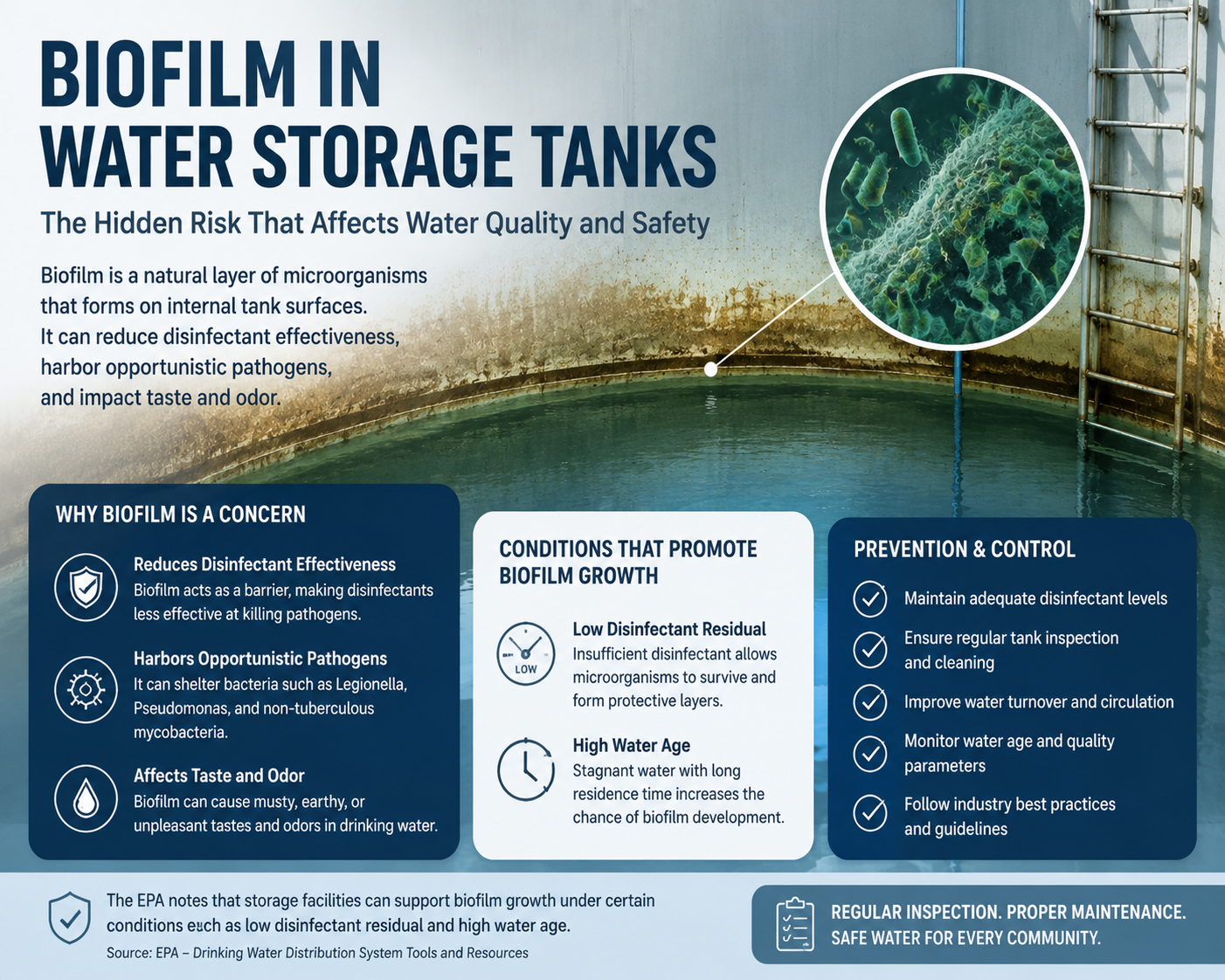
Cleaning ensures that the stored water remains free from contaminants such as algae, biofilm, and sediment buildup. Neglecting cleaning can lead to bacterial contamination, including Legionella. The U.S. Environmental Protection Agency (EPA) recommends cleaning and disinfecting industrial water tanks at least once per year or more frequently for tanks storing potable or process water.
The general cleaning process includes:
- Draining the tank completely
- Scrubbing internal surfaces to remove residue
- Rinsing with clean water
- Applying a chlorine-based disinfectant
- Refilling after verification tests
3. Corrosion Protection
Corrosion is one of the most common problems in steel and metal water tanks. It weakens the tank structure and contaminates the water. Protective coatings, such as epoxy or enamel, can extend the lifespan of steel tanks by over 20 years. Stainless steel and fiberglass tanks, while more resistant, still require periodic checks for microcracks or coating integrity.
Best practices include:
- Applying anti-corrosion coatings
- Installing sacrificial anodes for cathodic protection
- Maintaining proper pH levels in stored water
- Avoiding contact with reactive chemicals
4. Monitoring and Automation
Modern water tank systems now integrate IoT sensors to monitor water level, temperature, pressure, and leakage in real time. These systems provide alerts for irregularities, helping facilities act before issues become critical. A 2024 Global Industrial Equipment Survey found that companies using smart monitoring systems reduced unplanned downtime by 28% and improved tank efficiency by 15%.
5. Safety Measures and Compliance
Safety compliance is critical, especially for potable or chemical water storage. Maintenance personnel must follow confined space entry protocols, wear protective gear, and adhere to local environmental and safety regulations. Tanks used in food or pharmaceutical production must comply with NSF/ANSI 61 and ISO 9001 standards to ensure no contamination.

Maintenance Schedule and Best Practices
Maintenance scheduling depends on tank type, material, and water quality. Below is a general reference schedule based on material type and usage environment.
| Tank Material Type | Inspection Frequency | Cleaning Frequency | Estimated Lifespan (with Maintenance) |
|---|---|---|---|
| Steel | Every 3 months | Every 6–12 months | 15–20 years |
| Stainless Steel | Every 6 months | Annually | 25+ years |
| Enamel-Coated Steel | Every 6 months | Annually | 20–25 years |
| Fiberglass (FRP) | Every 6 months | Annually | 20+ years |
| Underground Tank | Every 3 months | Every 6 months | 25–30 years |
Pro Tip: Always document inspection and maintenance activities. Keeping detailed maintenance logs not only ensures compliance with industry standards but also helps track performance trends over time.
Common Problems and How to Fix Them
- Corrosion or Rust:
Apply protective coatings or replace damaged panels. Use anti-corrosion inhibitors or switch to enamel-coated or stainless steel tanks for better resistance. - Leakage:
Often caused by joint failure or corrosion. Inspect weld seams and connections, apply sealants, and if necessary, reline the interior. - Algae or Bacterial Growth:
Occurs due to stagnant water and sunlight exposure. Regular cleaning and the use of UV protection or disinfectants help control microbial growth. - Sediment Accumulation:
Caused by impurities in water or pipeline debris. Install sediment filters and schedule regular cleaning to maintain water clarity. - Deformation or Structural Stress:
Can result from pressure imbalances or soil movement in underground tanks. Install pressure-relief valves and ensure proper foundation support.

Case Study: How Regular Maintenance Saved Costs
A power generation facility in Southeast Asia faced frequent downtime due to leaks in their steel water tanks. After implementing a quarterly inspection and annual cleaning program, the facility reduced repair costs by 35% and extended the service life of the tanks by 8 years. The total savings over ten years exceeded USD 120,000. This case demonstrates how systematic maintenance not only prevents failures but also creates measurable economic benefits.
Conclusion
Industrial water tank maintenance is not optional—it’s a strategic investment in operational efficiency, safety, and sustainability. Proper inspection, cleaning, and corrosion control significantly extend the life of tanks and ensure consistent water quality. Whether your facility uses stainless steel, enamel, fiberglass, or underground tanks, adopting a proactive maintenance approach minimizes risk, reduces costs, and protects both equipment and personnel. With structured maintenance practices and smart monitoring, your industrial water tanks can perform efficiently and safely for decades.
FAQ
How often should industrial water tanks be cleaned?
At least once a year, or more frequently for potable or high-purity water systems.
What is the best way to prevent corrosion in steel tanks?
Use enamel or epoxy coatings, apply cathodic protection, and maintain proper water chemistry.
Can maintenance be done while the tank is in operation?
Only partial inspections or external checks. For full cleaning or internal repairs, the tank must be drained and isolated.
How can I tell if my tank has bacterial contamination?
Unusual odors, discoloration, or lab test results showing high microbial counts indicate contamination. Immediate disinfection is recommended.
Are IoT monitoring systems worth the investment?
Yes. Facilities that adopt IoT monitoring systems typically reduce downtime, extend tank lifespan, and save 20–30% on annual maintenance costs.