Once considered a luxury, central air-conditioning terminals have evolved into essential infrastructure in modern buildings. From corporate offices to hospitals and high-rise apartments, their design and performance now directly impact energy costs, occupant comfort, and indoor air quality.
Technological Advancements
Over the last decade, manufacturers have introduced variable-speed fans, precision airflow designs, and smart control systems. These improvements allow terminals to adjust airflow based on occupancy, temperature, and humidity, providing consistent comfort while minimizing energy consumption.
Additionally, innovations in noise reduction and vibration control have made these terminals suitable for sensitive environments, such as hospital wards and libraries, where quiet operation is crucial.
Impact on Industry
For facility managers, these upgrades translate into lower operational costs, reduced maintenance needs, and longer equipment lifespans. Architects and engineers are increasingly specifying intelligent terminals in their projects, emphasizing energy efficiency and sustainable building certifications.
Industrial Water Tanks: Reliable and Flexible Storage
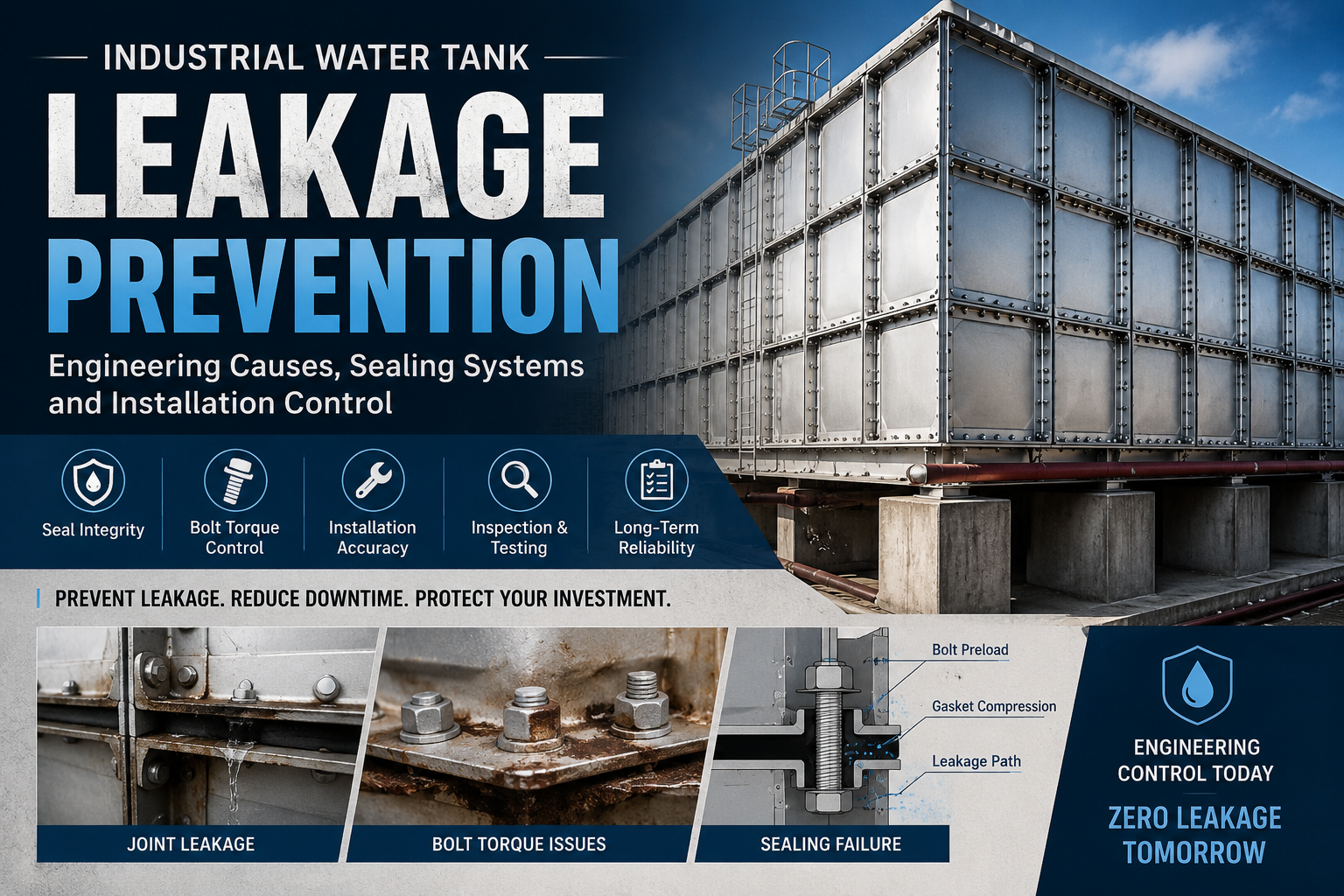
Parallel to advancements in HVAC, industrial water tanks have transformed from simple storage solutions to integrated, smart infrastructure components.
Modern Features
- Diverse Materials: Fiberglass, stainless steel, galvanized steel, and enamel-coated tanks are now standard, offering corrosion resistance and longevity.
- Modular Assembly: Prefabricated panels allow on-site assembly, reducing shipping constraints and enabling customization for unique building layouts.
- Integrated Monitoring: Sensors track water levels, temperature, and leakage, providing alerts for proactive maintenance.
- Durability: Shock-resistant, pressure-tolerant designs ensure safety in industrial and high-rise applications.
These tanks serve commercial complexes, industrial facilities, municipal water systems, and fire protection networks, providing consistent water supply under diverse operational conditions.
Water Treatment Systems: Clean Water for a Sustainable Future
Water treatment technology has grown in sophistication alongside HVAC and water storage solutions. With rising environmental awareness and regulatory pressure, water treatment systems are moving toward automation, energy efficiency, and sustainability.
Emerging Trends
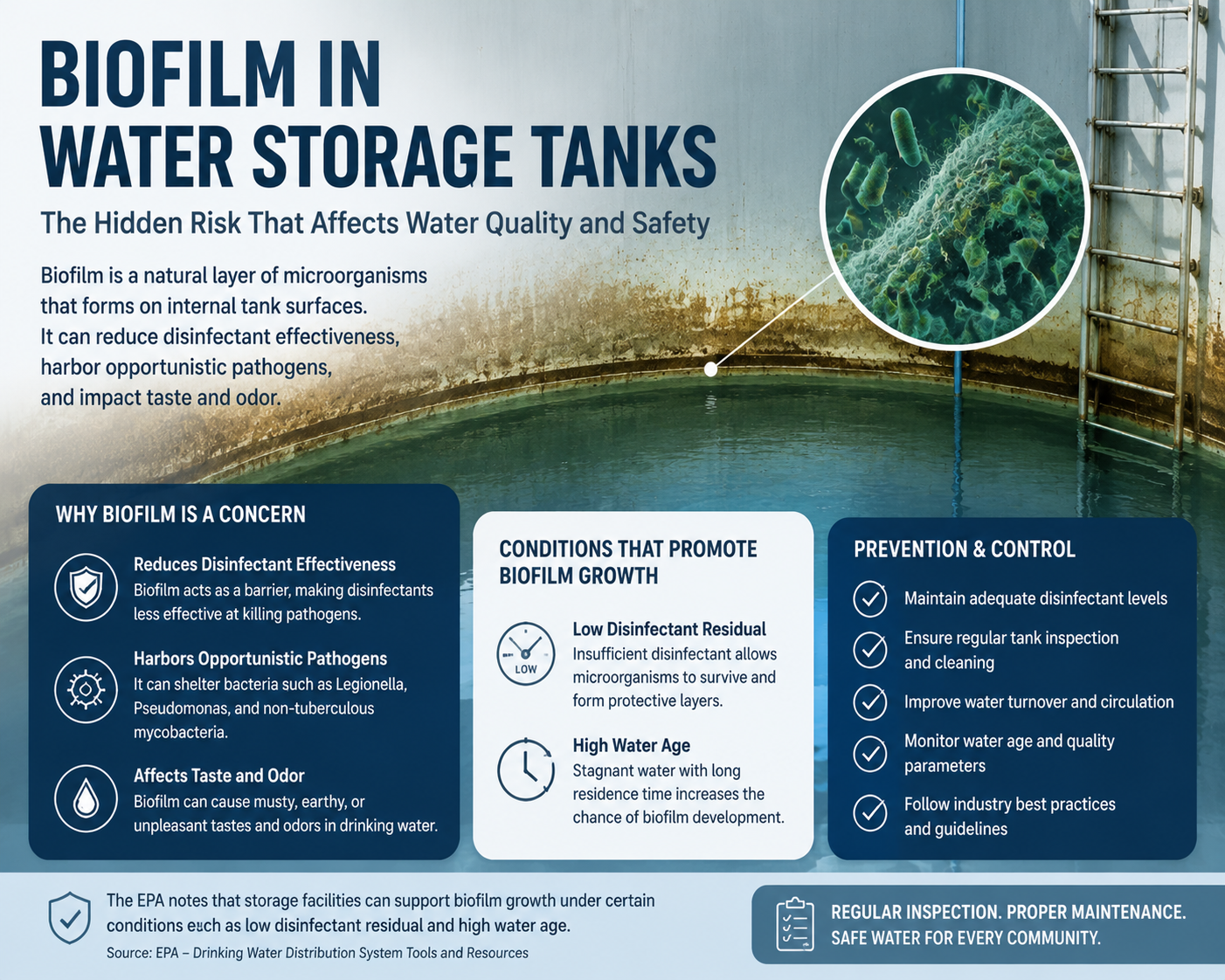
- Physical Treatment: Sedimentation, filtration, and ultraviolet (UV) disinfection remove contaminants while reducing chemical dependency.
- Chemical Control: Automated dosing maintains pH, prevents scaling, and ensures compliance with safety standards.
- Smart Monitoring: IoT devices and cloud analytics allow real-time tracking of water quality and predictive maintenance.
- Sustainability: Energy-efficient pumps and low-waste filtration minimize environmental impact while lowering operational costs.
Applications span manufacturing plants, municipal water supply, cooling towers, and industrial process systems, guaranteeing water quality, operational safety, and regulatory compliance.
Market Dynamics and Industry Insights
The HVAC, water storage, and water treatment sectors are evolving rapidly. Key drivers include:
- System Integration: Combining air-conditioning terminals, water tanks, and treatment units streamlines energy use, reduces operational complexity, and improves monitoring.
- Sustainability and Green Building Standards: Projects increasingly require energy-saving systems and eco-friendly materials.
- Modularity and Scalability: Prefabricated and modular systems allow rapid deployment and flexible adaptation to urban spaces.
- Global Standards: ISO, CE, and local certifications are critical for international projects.
- Digitalization: Predictive analytics, remote monitoring, and IoT integration enhance operational efficiency and reduce maintenance risks.
Practical Applications in Modern Projects
- Commercial Spaces: Office buildings, hotels, and shopping centers depend on efficient HVAC terminals and water systems for comfort and safety.
- Industrial Plants: Manufacturing facilities require reliable water storage and treatment to maintain continuous production.
- Municipal Infrastructure: Urban water distribution, sewage treatment, and fire safety systems integrate modern tanks and treatment solutions for regulatory compliance.
- Data Centers: Precision cooling and water circulation ensure uninterrupted operation of sensitive IT equipment.
- Residential High-Rises: Modular terminals and tanks provide scalable solutions for multi-story buildings.
Expert Opinions
Industry professionals highlight several trends:
- Energy efficiency and sustainability are now core selection criteria for HVAC and water systems.
- Digitalization and automation reduce operational risk and enhance predictive maintenance.
- Material and design innovations extend equipment lifespan even in harsh industrial or urban environments.
Challenges and Strategies
While the industry continues to innovate, challenges remain:
- High Initial Investment: Advanced systems have higher upfront costs, but savings on energy and maintenance justify the investment.
- Complex Maintenance: Trained personnel and smart monitoring systems are crucial to ensure smooth operations.
- Environmental and Operational Constraints: Extreme temperatures, high humidity, and corrosive environments require resilient design and material selection.
Solutions include modular design, IoT integration, preventive maintenance, and energy optimization, ensuring systems remain reliable and cost-effective.
Industry Success Stories
Several projects demonstrate tangible benefits:
- A commercial complex in Southeast Asia reduced energy consumption by 25% using smart air-conditioning terminals.
- An industrial plant in Europe improved water quality and reliability with modular, monitored water tanks.
- A municipal project in the Middle East adopted automated water treatment systems, ensuring safe potable water for thousands of residents.
Looking Ahead
The next decade will see:
- Greater integration of HVAC, water storage, and water treatment into intelligent building management systems.
- Wider adoption of eco-friendly and energy-efficient solutions.
- Modular and scalable infrastructure to meet urban growth.
- Standardization to enable global compatibility and export potential.
- Advanced IoT and AI-driven predictive maintenance systems.
The future is smarter, greener, and more reliable, providing end-users with comfort, safety, and sustainability across commercial, industrial, and municipal applications.