Industrial water tanks are far more than mere containers; they represent essential infrastructure critical for the functioning of numerous sectors in modern society. These heavy industry equipment components play a vital role, serving multiple functions across commercial, civic, and industrial environments. Specializing in this crucial area, comprehensive service enterprises like Dezhou Zhengling International Trade Co., Ltd. offer complete solutions covering industrial water tanks, central air-conditioning terminal equipment, and water treatment systems.
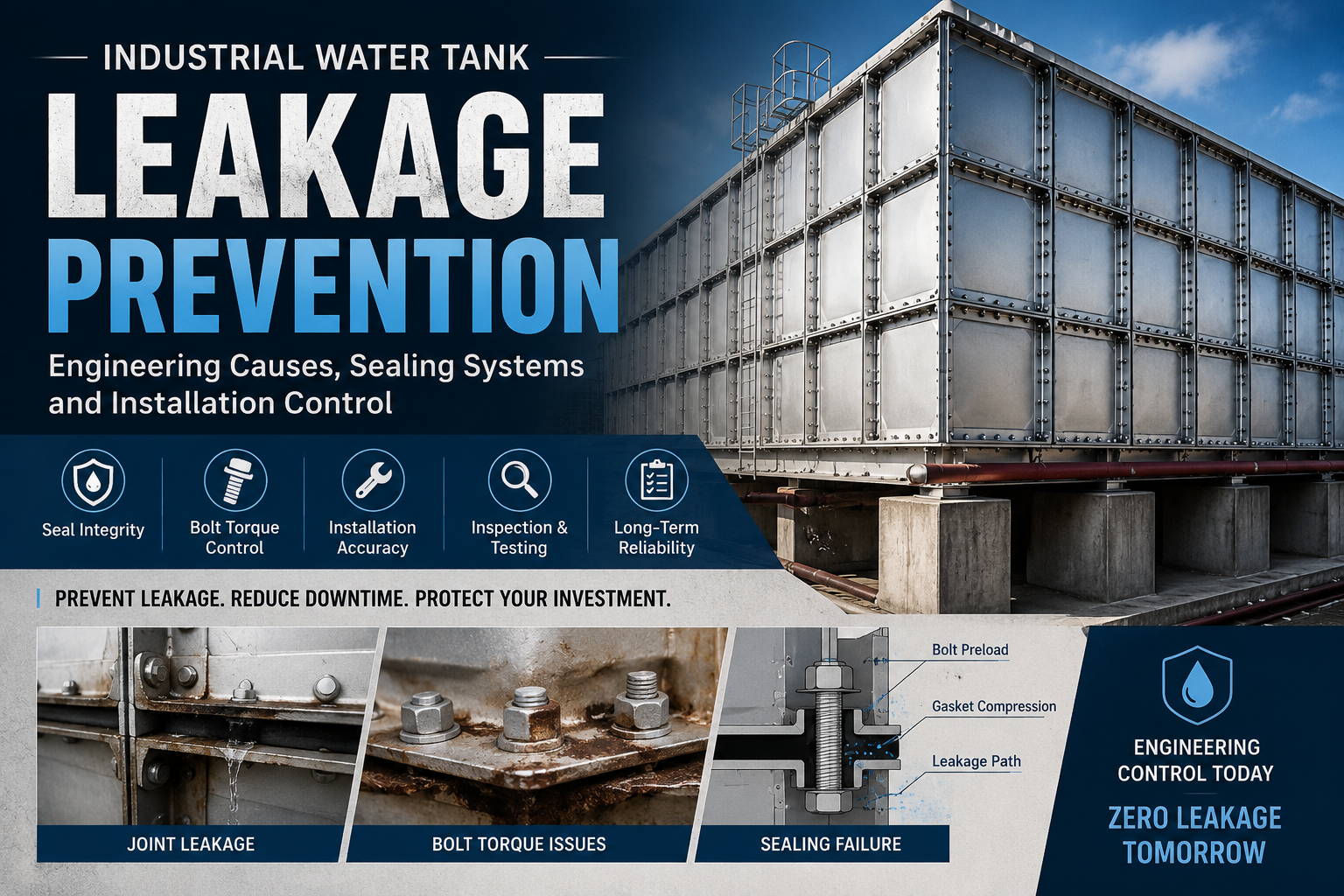
A well-chosen industrial water tank ensures the efficient, stable, and reliable operation of complex systems. Conversely, neglecting the selection process or opting for an inappropriate tank can have significant negative consequences, potentially leading to detrimental issues such as leaks and corrosion. Therefore, understanding the necessity, types, and professional handling of industrial water tanks is paramount for operational success.
Table of Contents
Understanding the Landscape: Why Industrial Water Tanks Matter
The significance of industrial water tanks stems directly from their functional necessity in supporting complex industrial and institutional operations. While central air-conditioning terminals have evolved into essential infrastructure in modern buildings—from corporate offices to hospitals—the foundational support provided by robust water storage systems remains equally critical.
For two decades, companies specializing in heavy industry equipment have focused on providing professional, one-stop services tailored to these complex needs. These services encompass the entire process: from initial design and precise manufacturing to seamless installation and routine maintenance, guaranteeing that water storage systems operate efficiently and reliably. This holistic approach is essential because industrial water tanks are frequently paired with other crucial systems, such as water treatment equipment (including filtration equipment) and heat exchange equipment, which all demand reliable water supply and storage.
The professional focus on these systems ensures that businesses receive the fastest and most considerate response to their specialized industrial requirements.
Diversity in Design: Product Categories of Industrial Water Tanks
The operational environment and the specific demands of the stored substances dictate the necessary construction material and placement of the water tank. The extensive product categories offered reflect the varied needs across different industrial and civic sectors.
Manufacturers provide various specialized types of industrial water tanks tailored for specific requirements and longevity. These material choices are fundamental in preventing failures, such as corrosion, which can plague poorly selected tanks.
The primary types of industrial water tanks available in the market include:
| Tank Category | Material Focus / Placement | Key Features (Inferred from Type) |
| Industrial Water Tanks | General storage solutions for varied industrial uses | Essential infrastructure supporting multiple functions |
| Underground Water Tank | Designed for subsurface installation | Maximizes ground space, protects contents from surface environmental changes |
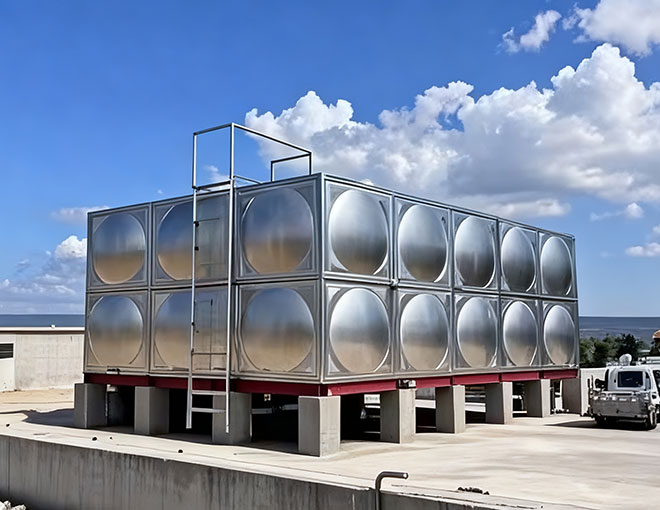
| Stainless Steel Water Tank | Constructed from stainless steel | Highly resistant to corrosion and suitable for certain food/beverage or sensitive industrial production needs |
| Galvanized Water Tank | Constructed from galvanized steel | Durable, often used where budget or specific regulatory environments permit |
| Fiberglass Water Tank | Constructed from fiberglass | Lightweight, non-corrosive, and often used for specific chemical or less demanding applications |
These varied options allow industries to make informed decisions regarding How to Choose the Right Industrial Water Tank. A correct selection process prevents the risks associated with leaks and corrosion, ensuring long-term operational stability.
Where Industrial Water Tanks Serve
The necessity of stable water infrastructure transcends traditional industrial settings, reaching virtually every segment of modern civil and commercial life. The applications served by industrial water tanks are diverse, reflecting the fundamental need for reliable water storage across various complex systems.
Industrial water tank systems are essential for the efficient functioning of several key sectors, including:
• Office buildings
• Hospitals
• Schools
• Airports
• Industrial production (general manufacturing)
• Food and Beverage processing
• Semiconductor manufacturing (which requires highly controlled water systems)
In these environments, reliable water storage is directly linked to operational continuity and safety. For example, in industrial production and semiconductor facilities, the quality and consistent supply of water—managed through water treatment equipment and dependable tanks—are paramount.
The Integrated Service Model: Beyond Manufacturing
The complexity of heavy industry equipment necessitates an integrated service model. Manufacturers focusing on industrial water tanks often operate as comprehensive service enterprises. This approach ensures that clients receive consistent support across the entire lifecycle of the equipment.
The one-stop professional services provided typically cover critical stages such as:
1. Design: Tailoring the tank system to the specific needs and environmental constraints of the client.
2. Manufacturing: Utilizing 20 years of experience in heavy industry equipment production to ensure quality.
3. Installation: Implementing the tank system correctly within the existing infrastructure.
4. Maintenance: Providing ongoing support to ensure the efficient, stable, and reliable operation of the tanks, preventing issues like leaks or corrosion.
This comprehensive scope extends beyond tanks alone, encompassing associated equipment like central air conditioning and water treatment solutions. This integration is crucial, as the performance of industrial water tanks is often intertwined with these other systems.

Looking Forward: Innovations and Challenges
The heavy industry equipment sector, including both HVAC terminals and industrial water tanks, is continuously evolving. Industry professionals actively discuss the Innovations and challenges of HVAC terminals and industrial water tanks.
While central air-conditioning terminals have seen significant advancements in improving efficiency and comfort over the past decade, ensuring that the supporting infrastructure—the industrial water tanks—keeps pace with these changes is a persistent challenge. The ongoing development focuses on materials, designs, and maintenance protocols that further reduce the risk of common failures, such as leaks and corrosion, thereby enhancing the overall reliability and stability of the systems. Understanding these innovations helps clients in determining how to choose the Right Industrial Water Tank for future-proofing their facilities.
Conclusion
Industrial water storage tanks are the silent workhorses of modern infrastructure, indispensable for continuous operations in settings ranging from hospitals and airports to complex industrial production and semiconductor plants. Given that a poorly selected tank can introduce serious risks like leaks and corrosion, partnering with a specialist manufacturer is essential.
Dezhou Zhengling International Trade Co., Ltd., a comprehensive service enterprise specializing in heavy industry equipment for 20 years, provides the expertise needed for efficient systems. By offering robust solutions—including stainless steel, galvanized, underground, and fiberglass tanks—alongside professional design, manufacturing, installation, and maintenance, they guarantee the necessary stability for critical operations.
If you are looking to install or upgrade your industrial water storage capacity, ensuring stable and reliable performance, you should feel free to reach out and get the fastest and most considerate response to your needs.
FAQ
Why are industrial water tanks essential for modern infrastructure?
Industrial water tanks serve ** multiple functions** and are considered essential infrastructure across commercial and industrial settings. Their importance lies in ensuring the efficient, stable, and reliable operation of complex systems. Failure to choose the correct tank can lead to significant problems like leaks and corrosion.
What types of industrial water tanks are commonly available?
Common product categories offered by specialists include Underground water tanks, Stainless Steel water tanks, Galvanized water tanks, and Fiberglass water tanks.
Which sectors rely on industrial water tank systems?
They are vital for ensuring continuity in environments such as office buildings, hospitals, schools, airports, industrial production, Food and Beverage facilities, and semiconductor manufacturing.
What integrated professional services are typically provided for these systems?
Companies specializing in heavy industry equipment often offer one-stop professional services covering the entire process: design, manufacturing, installation, and maintenance, ensuring efficient operation alongside central air conditioning and water treatment systems.