In the modern manufacturing landscape, water is more than a utility; it is a critical asset that requires rigorous oversight. As we move through 2026, industrial water quality management has evolved from simple filtration to a complex strategy focused on mitigating microbiological risks. Specifically, the battle against biofilm and Legionella in storage systems has become a top priority for facility managers aiming to meet tightening health and safety regulations.
Table of Contents
The Growing Risk of Biofilm in Industrial Tanks
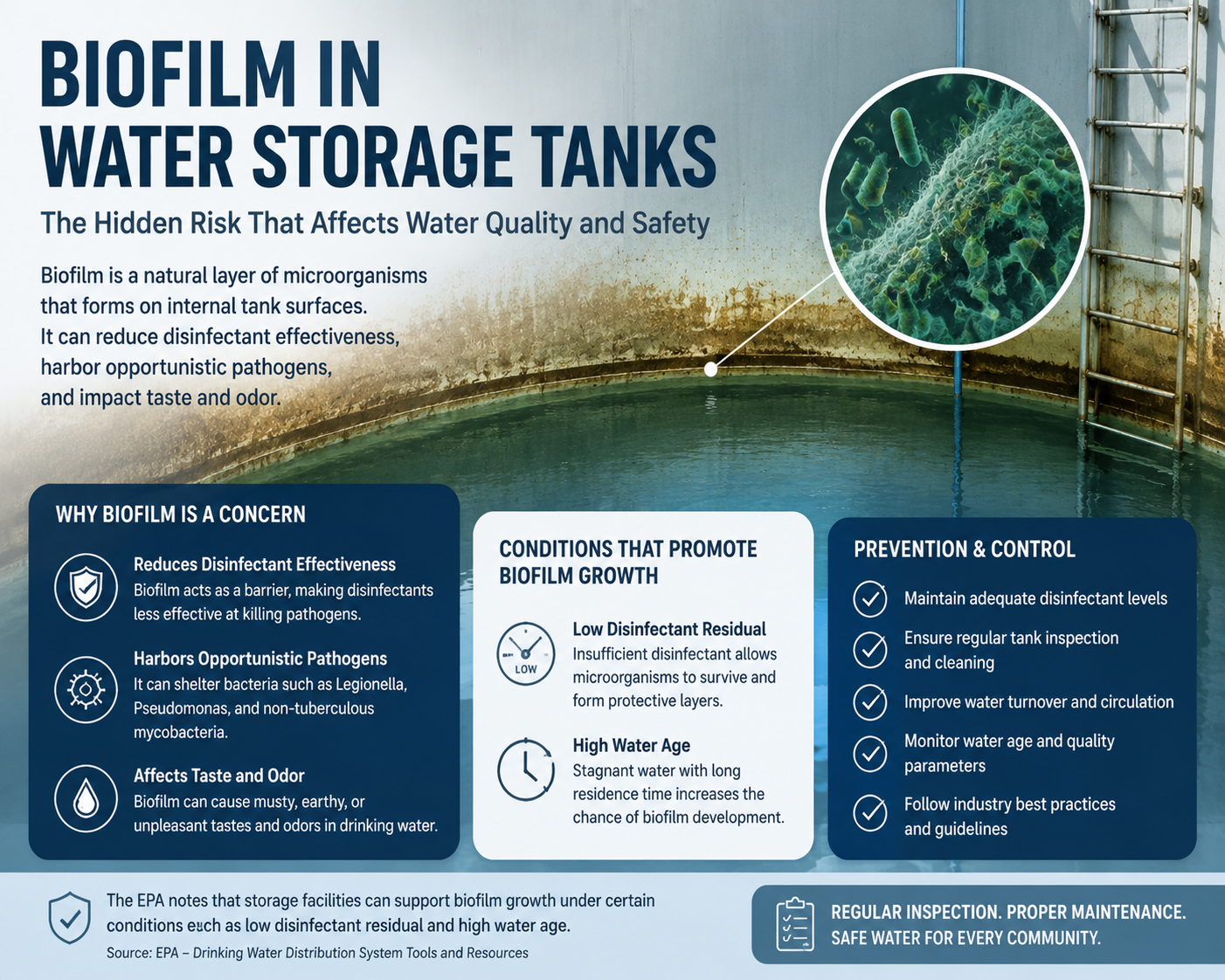
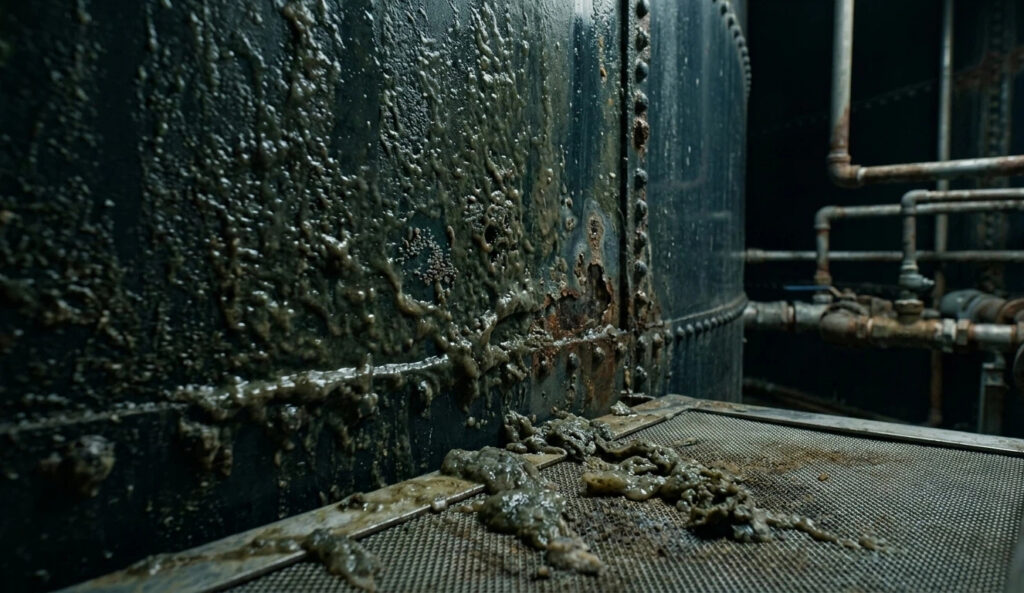
Biofilm is a resilient layer of microorganisms that adheres to the interior surfaces of water tanks. In any industrial water quality management program, addressing biofilm is essential because it acts as a protective shield for pathogens like Legionella. Once established, these colonies can corrode tank liners, clog fine-mesh filters, and contaminate downstream processes, leading to expensive unscheduled downtime.
The challenge in 2026 is that traditional chemical dosing alone is often insufficient. Biofilms have developed resistance to standard chlorine levels, requiring a more integrated approach that combines physical surface technology with intelligent monitoring.
Material Science as a First Line of Defense
The most effective way to improve industrial water quality management is to prevent the initial attachment of bacteria. This is where material selection becomes a decisive factor.
Stainless Steel Water Tanks are inherently resistant to microbiological growth due to their high chromium content and smooth surface finish. Similarly, Enamel (Glass-Fused-to-Steel) Tanks provide a non-porous, mirror-like interior that offers no “foothold” for bacterial colonies. Choosing these materials significantly reduces the long-term chemical burden on your system.
Compliance and the Legionella Challenge
Regulatory bodies are increasingly focusing on Legionellosis risk management. Effective industrial water quality management now mandates adherence to strict protocols, such as those outlined in ASHRAE Standard 188-2021. Failing to control Legionella can result in severe legal liabilities and forced facility closures.
Implementing automated water quality testing for closed-loop tanks allows for real-time tracking of temperature, pH, and residual biocide levels—the three primary pillars of Legionella control.
Maintenance and Operational Synergy
Even the most advanced tank requires a structured maintenance cadence. While choosing antimicrobial coatings for bolted steel tanks provides a strong physical defense, it must be paired with regular sanitation.
According to professional standards, the frequency of these interventions depends on the specific application of the stored water. For a detailed breakdown of operational schedules, you can refer to our professional guide on Industrial Water Tank Cleaning Frequency, which outlines industry-standard intervals to ensure your industrial water quality management remains effective.
Total Cost of Ownership: Water Quality Comparison
| Feature | Standard Galvanized Tank | Stainless / Enamel Bolted Tank |
| Biofilm Resistance | Low (Porous surfaces) | High (Ultra-smooth finish) |
| Chemical Requirement | High (Continuous dosing) | Low (Minimal biocide needed) |
| Cleaning Frequency | Semi-annual | Annual or less |
| 5-Year ROI | Moderate | High (Reduced maintenance) |
Conclusion
Mastering industrial water quality management is no longer just an operational task; it is a strategic necessity for the 2026 industrial sector. By combining superior materials like GFS or stainless steel with modern monitoring and a disciplined cleaning schedule, facilities can eliminate the risks of biofilm and Legionella while ensuring long-term system efficiency.
FAQ
How does biofilm affect industrial tank longevity?
Biofilm contributes to MIC (Microbiologically Influenced Corrosion), which can cause localized pitting in metal tanks, leading to leaks much sooner than the rated service life.
Is Legionella only a risk in hot water systems?
No. While it thrives in warm water, stagnant water in any industrial storage tank—especially those exposed to solar heating—can become a breeding ground if proper industrial water quality management is not in place.
Can I upgrade my existing tank to improve water quality?
Yes. Retrofitting with high-grade interior coatings or installing automated water quality testing for closed-loop tanks are effective ways to modernize older infrastructure.