In the high-stakes environment of petrochemical plants, power stations, and large-scale manufacturing facilities, industrial fire water system integrity is not just a regulatory checkbox—it is the last line of defense against catastrophic loss. When a fire event occurs, the difference between a minor incident and a major disaster often comes down to whether the water arrives at the right pressure, at the right place, and at the right time.
However, these systems face unique challenges. Unlike production-critical equipment, fire water systems are normally in a standby state. They are out of sight and often out of mind—until they are needed. This “passive” nature makes them particularly vulnerable to degradation. Corrosion, mechanical damage, and design flaws can silently compromise the system’s ability to perform.
This guide provides a framework for ensuring industrial fire water system integrity through comprehensive inspection and proactive maintenance. We will explore risk-based approaches, common failure mechanisms, and practical strategies to keep this critical safety asset ready for action.
Why Industrial Fire Water System Integrity Demands a Different Approach
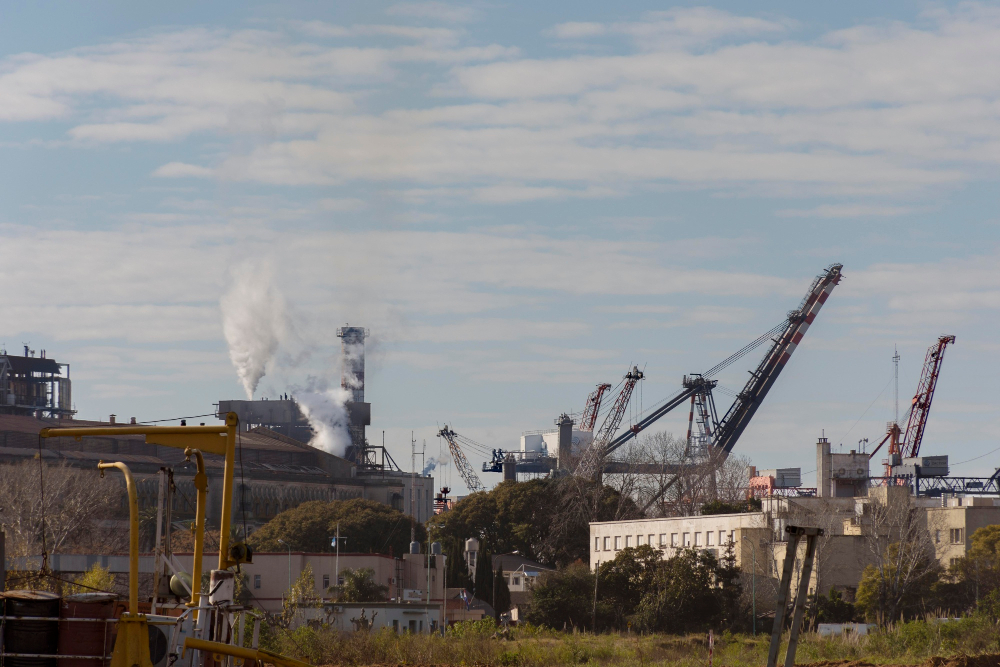
The philosophy behind maintaining industrial fire water system integrity differs significantly from typical building systems. In a commercial office, a sprinkler system might face relatively benign conditions. In an industrial setting, the network of pipes, pumps, and tanks must endure harsh environments, including extreme temperatures, vibration from heavy machinery, and exposure to corrosive chemicals.
Furthermore, industrial sites often have complex hydraulic demands. A single system might need to supply foam concentrate for flammable liquid fires, cooling water for adjacent pressure vessels, and conventional sprinkler coverage for warehouse areas [citation:2]. Any degradation in the pipe network—such as internal tuberculation or a partially closed valve—can starve critical delivery points of the required flow.
The stakes are simply higher. A failure here doesn’t just risk property damage; it risks process safety events that could impact the surrounding community.
The Core Pillars of System Integrity
Maintaining industrial fire water system integrity rests on four interconnected pillars:
1.Mechanical Integrity: The physical condition of pipes, tanks, valves, and supports.
2.Hydraulic Capability: The ability to deliver designed flow and pressure at the remotest point.
3.Water Quality: The condition of the water itself, which is often the primary driver of internal corrosion.
4.System Availability: The assurance that pumps start automatically and valves are in the correct position.
An effective inspection program must address all four.
Risk-Based Inspection (RBI) Strategies
Given the extensive footprint of industrial fire mains, a purely time-based inspection schedule (e.g., “inspect everything every five years”) can be both costly and ineffective. A more strategic approach is to implement a Risk-Based Inspection (RBI) program.
Corrosion: The Primary Threat to Integrity
When discussing industrial fire water system integrity, corrosion is the single biggest adversary. It manifests in several forms, each requiring specific detection methods.
Internal Corrosion
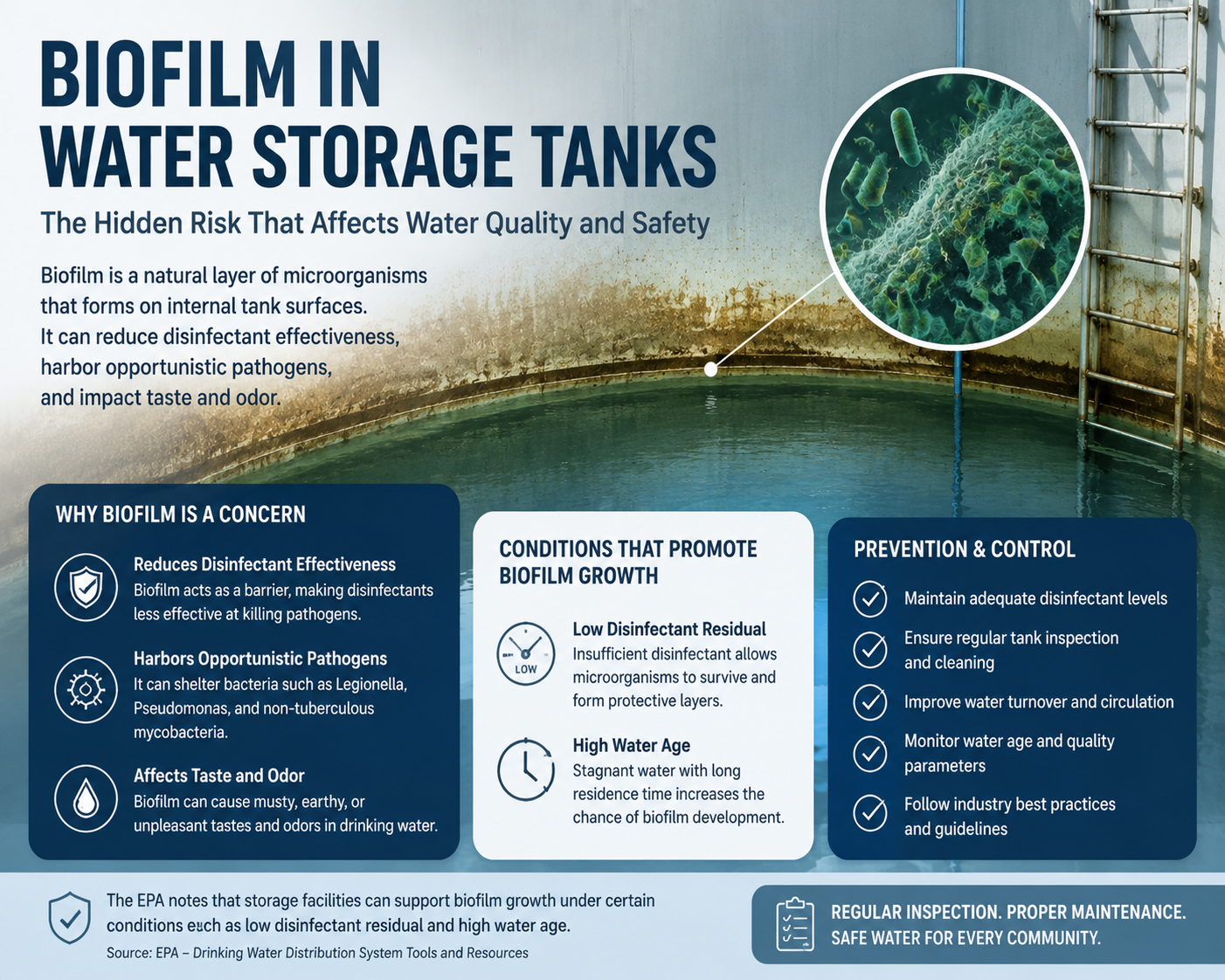
Stagnant water in fire mains creates an ideal environment for microbiologically influenced corrosion (MIC). MIC occurs when bacteria form biofilms on the pipe wall, creating localized corrosion cells that can lead to pinhole leaks . This is particularly aggressive in systems that use raw or untreated water sources.
- Inspection Tip: Flow testing and water analysis are primary tools. Look for elevated bacteria counts or the presence of sulfides in the water.
External Corrosion (Buried Piping)
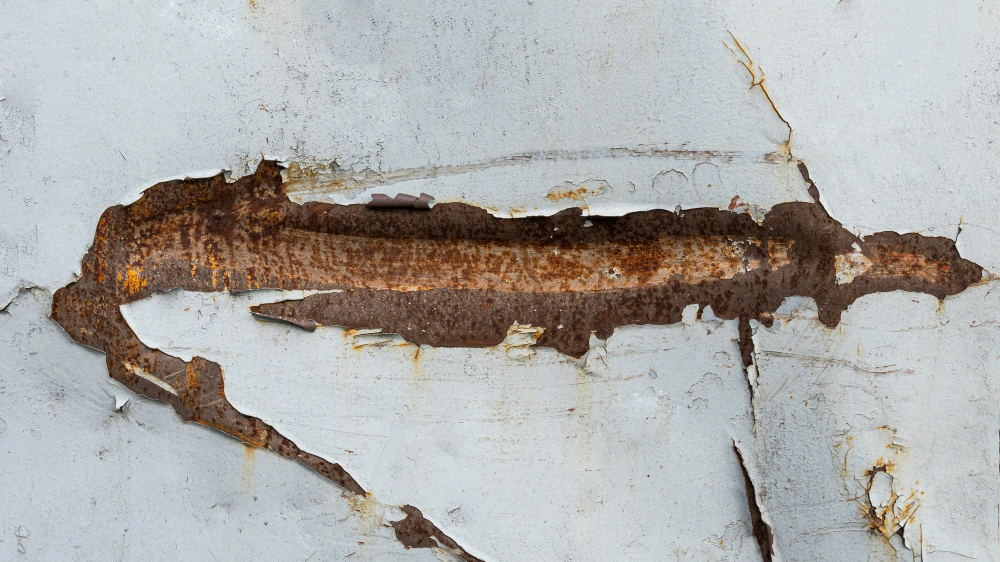
Many industrial sites rely on extensive networks of buried fire mains. These are subject to soil corrosion and stray electrical currents.
- Inspection Tip: Close-interval potential surveys can assess the effectiveness of cathodic protection systems without excavation.
Corrosion Under Insulation (CUI)
For above-ground piping that is insulated (often for freeze protection), CUI is a silent threat. Water seeps into the insulation, and the cyclic heating and cooling create a corrosive environment that remains hidden from plain sight .
- Inspection Tip: Targeted removal of insulation at “drip points,” flanges, and supports is essential. Advanced techniques like real-time radiography can sometimes detect CUI without full insulation removal.
Verifying Mechanical Integrity of Key Components
While piping is the “circulatory system,” specific components are the “organs” of the fire water network. Their integrity is just as vital.
Fire Pumps
The fire pump is the heart of the system. NFPA 25 provides a baseline for weekly no-flow testing and annual flow testing. However, for industrial fire water system integrity, go beyond the standard.
- Check for excessive vibration, which can indicate bearing wear or misalignment.
- Verify that the pump casing is free from leaks.
- Ensure that the diesel driver (if applicable) has adequate fuel and that batteries are fully charged.
Fire Water Storage Tanks
Industrial water tanks can hold millions of gallons. Their integrity is threatened by both internal corrosion (at the waterline) and external corrosion (on the roof and shell).
- Inspection Focus: During tank inspections, pay special attention to the interior coating or lining. Blistering or flaking coating indicates failure, exposing bare steel to the water
Isolation Valves
A valve that is closed or partially closed is one of the most common, yet preventable, threats to system integrity. If a section of the fire main is isolated for maintenance, a formal “impairment program” must be in place to ensure the system is restored and that the plant knows the temporary status of its protection.
The Role of Hydraulic Flow Testing
It is not enough for the pipes to be intact; they must also be clean. Internal corrosion and biological growth can lead to “tuberculation”—the formation of rust mounds on the pipe wall. This reduces the internal diameter of the pipe, increasing friction loss and reducing the available flow at hydrants and monitors.
Regular hydraulic flow tests (e.g., testing a hydrant while measuring residual pressure on the system) serve two purposes for industrial fire water system integrity:
1.They confirm pump performance.
2.They provide data to calculate the “C-factor” (Hazen-Williams roughness coefficient) of the piping network. A declining C-factor over time indicates that internal cleaning (pigging) or pipe replacement may be necessary.
Managing System Impairments and Changes
Industrial facilities are dynamic. Modifications to process units, new equipment installations, or even changes to the water supply can impact the fire water system. Any facility modification must trigger a review of the fire protection design.
Conclusion: A Continuous Commitment
Maintaining industrial fire water system integrity is not a one-time project; it is a continuous commitment to operational discipline. By moving beyond simple compliance checklists and adopting a risk-based, holistic view of the system, facility managers can ensure that when the alarm sounds, their defenses are ready.
To learn more about the contents of the fire water tank, please click here.