Table of Contents
Introduction
Choosing the right industrial water tank is more than just picking a container to hold water. The right selection can improve operational efficiency, ensure safety, and reduce long-term costs. With various types, materials, and designs available, making an informed choice requires understanding your facility’s specific needs. In this guide, we’ll explore critical factors, provide expert insights, and offer practical tips to help you select the ideal industrial water tank solution. Water tanks support multiple operational processes, including cooling systems, fire safety, and process water storage.
Selecting the wrong tank can lead to corrosion, contamination, or operational interruptions. According to a 2023 report by the Industrial Water Systems Association (IWSA), facilities optimizing tank selection reduced maintenance-related downtime by up to 30%.
Key Factors to Consider in Water Tank Selection
1. Water Type and Quality
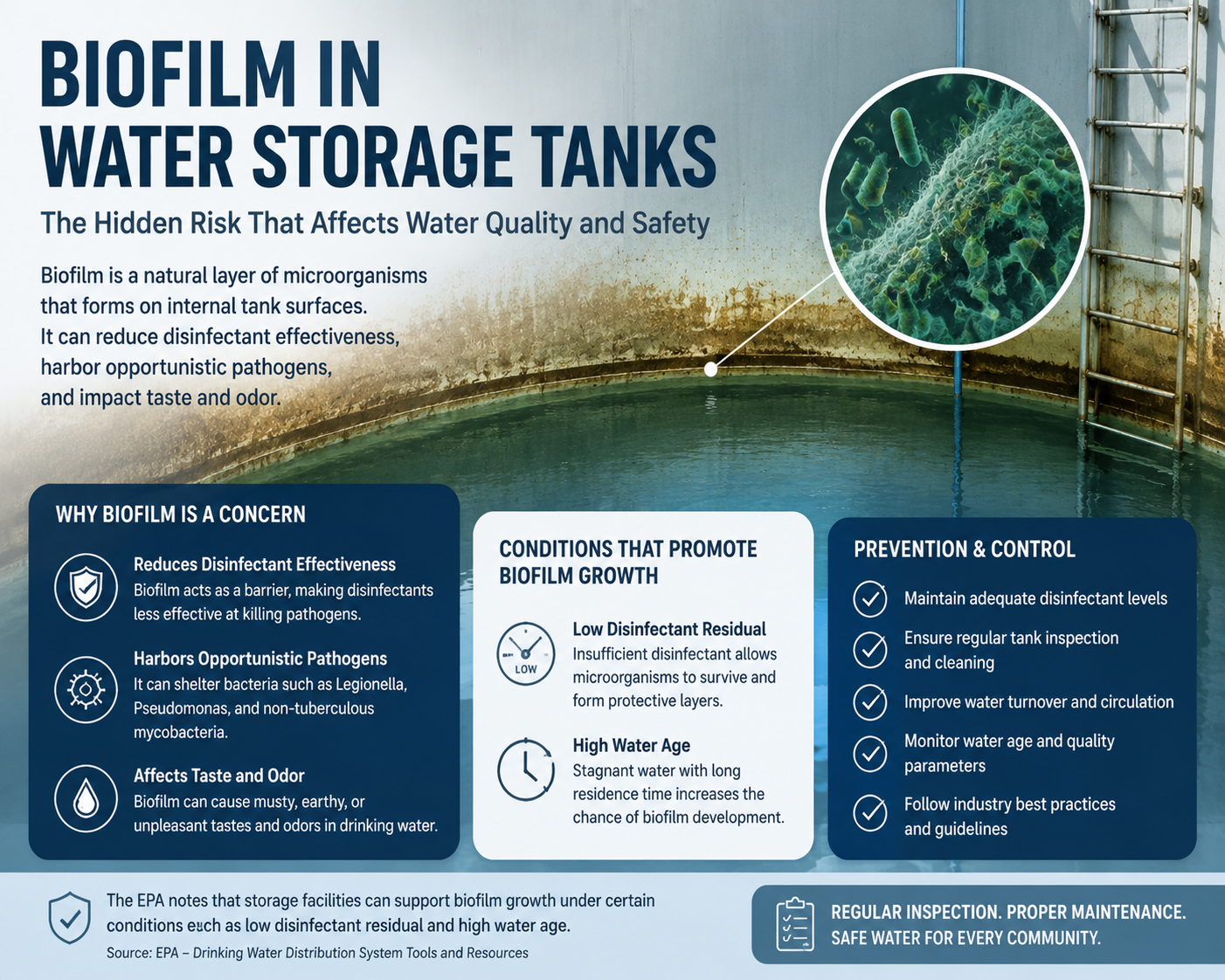
Different materials react differently to water quality. For example, potable water requires tanks that are corrosion-resistant and hygienic, such as stainless steel or enamel-coated tanks. Industrial process water may contain chemicals or minerals that could accelerate corrosion or damage tank linings. According to the Global Water Storage Institute (2022), selecting a material compatible with water chemistry can increase a tank’s lifespan by up to 25%. For instance, a brewery using stainless steel tanks saw a 30% reduction in maintenance costs over five years compared to standard steel tanks. Testing your water for pH, hardness, and chemical composition before finalizing tank material prevents issues like rust, biofilm formation, or chemical degradation.
2. Capacity and Future Needs
Calculating the correct tank size is more than just measuring daily water usage. Consider operational fluctuations, seasonal peaks, and potential expansion. A chemical plant experiencing seasonal spikes in water consumption during summer months benefited from installing a tank 15% larger than their current daily requirement, preventing operational interruptions. Incorporating redundancy, such as using two smaller tanks instead of one oversized tank, allows maintenance without halting operations.
3. Installation Location
The installation environment significantly impacts tank performance. Indoor tanks are protected from UV, freezing, and weather conditions but require efficient space management. Ceiling heights, access for maintenance, and floor load capacity are key considerations. Outdoor tanks must withstand temperature extremes, UV exposure, and weathering. Protective coatings, insulation, or shading structures may be necessary to extend lifespan. Underground tanks offer space-saving and protection from environmental factors. Installation requires proper excavation, drainage, and structural reinforcement to prevent collapse under soil load. A 2021 study by the Industrial Water Systems Association found that outdoor tanks without UV protection experienced 20–30% faster degradation compared to shaded or underground installations.
4. Material Selection
Material choice affects not only durability but also water quality and maintenance frequency.
| Material Type | Advantages | Best Use Cases |
|---|---|---|
| Steel | Durable, high capacity, cost-effective | Industrial cooling, power plants |
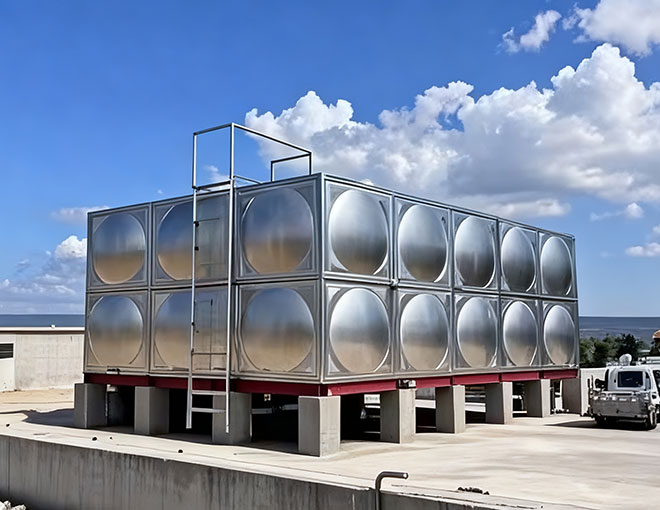
| Stainless Steel | Corrosion-resistant, hygienic | Drinking water, labs, food & beverage |
| Enamel | Hygienic, corrosion-resistant, easy to clean | Potable water, commercial storage |
| Fiberglass (FRP) | Lightweight, chemical-resistant | Chemical processing, water treatment |
| Underground | Space-saving, protected from weather | Municipal, commercial, rainwater storage |
Combining material and coating solutions, such as enamel over steel, can enhance durability in corrosive environments.
5. Regulatory Compliance
Selecting a tank that meets local and international standards ensures safety, legal compliance, and insurance coverage. Certifications like NSF, ASTM, or ISO help guarantee material quality and water safety.
6. Maintenance and Longevity
Understanding maintenance needs is crucial. Steel tanks require periodic inspections and anti-corrosion treatment. Stainless steel and enamel tanks need minimal maintenance but still require sediment removal and cleaning schedules. Fiberglass and underground tanks need monitoring for leaks, structural integrity, and chemical compatibility.
7. Budget Considerations
While upfront cost is important, focus on total cost of ownership (TCO), including installation, maintenance, energy savings, and lifespan. A food processing facility chose stainless steel over standard steel despite higher initial cost. Over ten years, reduced maintenance and lower replacement frequency resulted in a 20% lower TCO.

Practical Steps to Select the Right Tank
Assess your needs by identifying water type, volume, critical applications, and peak demands. Determine tank location: indoor, outdoor, or underground, evaluating space, structural capacity, and environmental exposure. Compare materials by evaluating durability, maintenance, compatibility, and certifications. Calculate capacity including seasonal fluctuations and future growth. Check standards to ensure regulatory compliance for safety and hygiene. Evaluate supplier reputation and choose experienced suppliers who provide warranty, support, and service. Review total cost, factoring in installation, maintenance, energy, and lifespan. Visiting similar facility installations provides real-world insight into performance and maintenance practices.
Common Mistakes to Avoid
Choosing a tank solely based on upfront cost, ignoring water chemistry and potential corrosion issues, underestimating future capacity or seasonal peaks, overlooking environmental stressors such as UV, temperature swings, or soil load for underground tanks, and failing to consider total cost of ownership are common mistakes. A municipal facility installed low-cost steel tanks for potable water. Within five years, corrosion and leakage issues required partial replacement, resulting in a 40% higher total cost than if they had initially selected enamel-coated tanks.
Conclusion
Selecting the right industrial water tank is a critical decision that affects operational efficiency, safety, and long-term costs. By carefully evaluating water type, capacity, location, material, compliance, and maintenance, you can make a choice that meets your facility’s needs today and in the future. Investing in a quality tank reduces downtime, maintenance expenses, and operational risk, providing reliable water storage for years to come.
FAQ
How do I determine the correct capacity for my facility?
Calculate peak daily water usage, consider seasonal or process fluctuations, and include a 10–20% buffer for flexibility.
Which tank material is best for potable water?
Stainless steel or enamel-coated tanks are ideal due to corrosion resistance and hygienic properties.
Can underground tanks handle large volumes safely?
Yes, underground tanks, when properly designed and installed, can store large volumes and protect water from environmental conditions.
How often should industrial water tanks be inspected?
Inspect tanks quarterly for leaks, corrosion, or sediment buildup, and perform thorough cleaning annually.
Does the cheapest tank option save money long-term?
Not necessarily. Lower-quality tanks may require frequent maintenance and have shorter lifespans, increasing total cost of ownership.