In today’s rapidly evolving industrial and commercial landscape, the demand for energy efficiency, environmental responsibility, and operational reliability has never been more pressing. With rising global temperatures, stricter environmental regulations, and growing awareness of sustainable development, businesses worldwide are searching for solutions that not only reduce operational costs but also align with the global push toward carbon neutrality.
Heating, Ventilation, and Air Conditioning (HVAC) systems, industrial water tanks, and advanced water treatment solutions are at the forefront of this movement. By integrating renewable energy technologies and innovative design, these systems are transforming into smarter, greener, and more future-proof infrastructures.
Smart HVAC Systems for a Greener World
HVAC systems are essential for comfort, productivity, and industrial processes. Yet they are among the largest consumers of energy in commercial and residential buildings, accounting for nearly 40% of total energy consumption in some regions. The next wave of HVAC development lies in its integration with renewable energy sources such as solar, wind, and geothermal power.
Smart HVAC systems now feature advanced sensors, AI-based monitoring, and predictive maintenance capabilities that optimize cooling and heating loads. By relying on green energy, these systems dramatically cut greenhouse gas emissions while lowering long-term costs. More companies are also deploying variable refrigerant flow (VRF) technologies, energy recovery ventilators, and heat pumps, making HVAC systems both eco-friendly and financially efficient.
Industrial Water Tanks as Energy-Smart Infrastructure
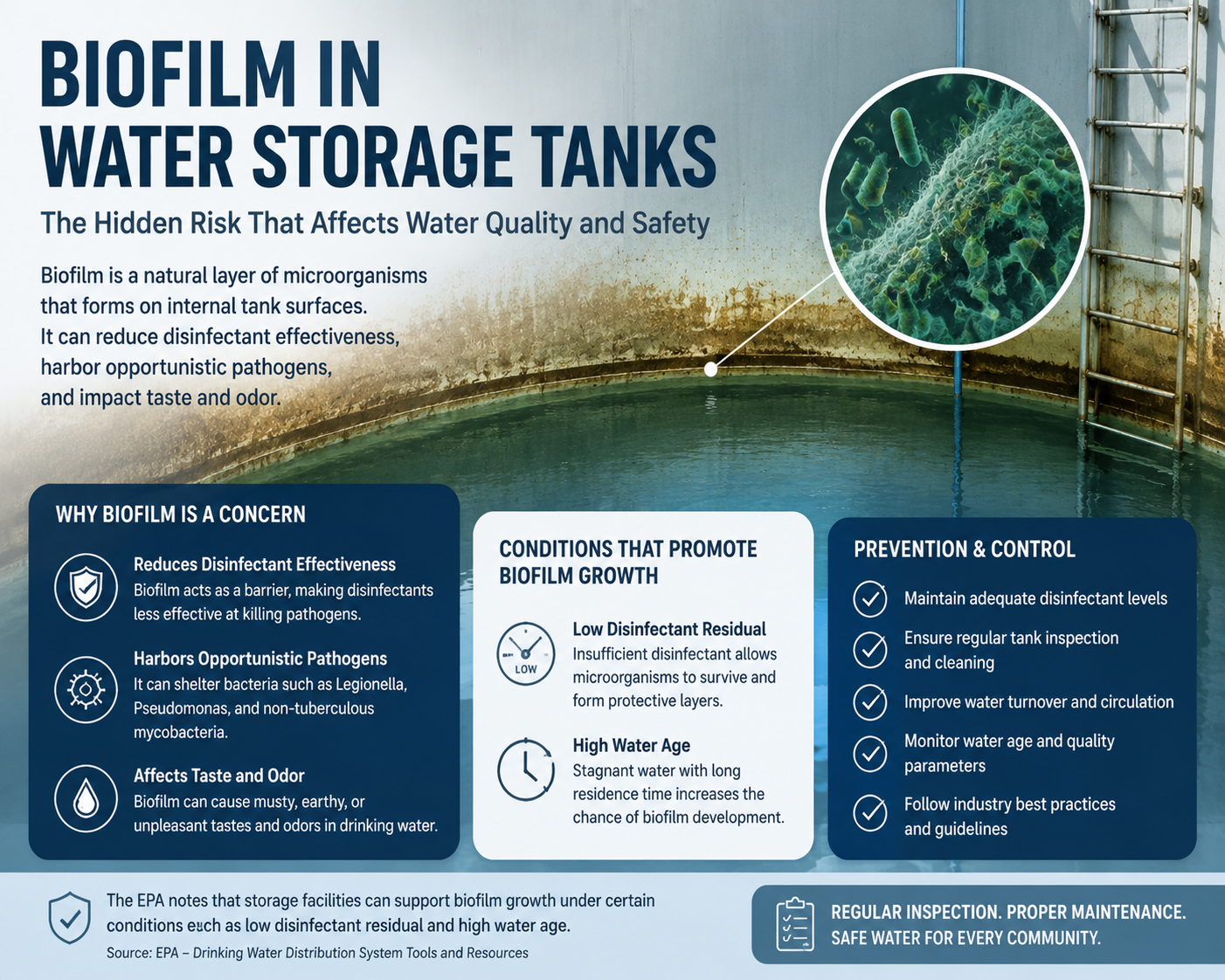
Industrial water tanks play a critical role in water storage, supply, and emergency management. However, their potential as energy-smart infrastructure is often underestimated. Modern tank designs now incorporate advanced insulation materials, solar-powered pumping systems, and IoT-enabled monitoring for real-time efficiency tracking.
By pairing water tanks with renewable energy, facilities can ensure sustainable water supply with lower energy demand. For example, solar-powered water tanks reduce dependency on fossil-fuel-driven pumps, while intelligent sensors monitor water quality, leakage, and capacity levels, enabling proactive maintenance.
Water Treatment with Renewable Integration
Water treatment is an energy-intensive process, especially in industries requiring high-purity water. Traditionally, large-scale treatment plants have relied on non-renewable energy sources, contributing to high operating costs and carbon emissions.
The introduction of renewable energy into water treatment changes this equation. Solar-powered desalination, wind-powered aeration systems, and energy recovery in reverse osmosis units are revolutionizing how water treatment facilities operate. In addition, smart automation enables facilities to adjust treatment levels based on real-time demand, ensuring optimized efficiency without compromising water quality.
Advantages of Renewable-Integrated Systems
The integration of renewable energy into HVAC, industrial water tanks, and treatment systems provides multiple advantages:
- Energy Savings: Substantial reductions in electricity bills due to reliance on solar, wind, and geothermal sources.
- Sustainability: Lower environmental footprint, helping companies align with global sustainability standards.
- Operational Reliability: Smart systems predict and prevent failures, minimizing downtime.
- Long-Term Cost Benefits: Though initial investment may be higher, renewable systems deliver long-term ROI through reduced energy use and government incentives.
- Corporate Reputation: Companies that adopt green solutions strengthen their brand image and meet consumer expectations for eco-friendly practices.
Applications Across Industries
Renewable-integrated HVAC and water solutions are being adopted in diverse sectors:
- Commercial Buildings: Energy-efficient HVAC and solar-powered water systems reduce operational costs for offices, malls, and hotels.
- Healthcare: Hospitals benefit from uninterrupted supply of clean air and water, critical for patient safety.
- Manufacturing: Factories adopt renewable-powered cooling and water treatment to reduce waste and energy use.
- Agriculture: Solar-driven irrigation tanks and water treatment systems support sustainable farming.
- Data Centers: Energy-smart HVAC ensures stable cooling, while water systems manage heat dissipation efficiently.
- Public Infrastructure: Government buildings and educational institutions adopt these solutions to set an example for sustainability.
Global Market Outlook
The global market for renewable-integrated HVAC and water treatment systems is experiencing exponential growth. Market analysts project that the smart HVAC market alone will exceed USD 200 billion by 2030, driven by renewable adoption and AI integration.
Similarly, the industrial water tank market is seeing an upsurge, particularly in Asia-Pacific, where rapid urbanization drives demand for reliable water storage and treatment. Governments across Europe and North America are offering subsidies and tax incentives for companies investing in energy-smart water and HVAC systems.
In addition, the water treatment market is undergoing a significant transformation, with renewable-powered desalination projects gaining momentum in the Middle East, Africa, and island nations struggling with freshwater scarcity.
Company Innovations and Customization
Leading companies are now investing in R&D to design modular, customizable, and highly efficient renewable-integrated systems.
For instance, HVAC manufacturers are launching smart controllers compatible with solar grids, while water tank producers are offering designs with enhanced thermal insulation to minimize energy waste. Water treatment companies are developing hybrid plants capable of switching between grid power and renewable sources seamlessly.
Customization ensures that clients across industries—from small businesses to multinational corporations—can implement solutions that match their scale, budget, and sustainability goals.
Conclusion
The future of HVAC systems, industrial water tanks, and water treatment solutions lies in the integration of renewable energy and smart technologies. These advancements are not merely upgrades—they are essential transformations that respond to the global challenges of climate change, rising energy costs, and sustainability demands.
By adopting renewable-integrated systems, businesses can achieve a balance between efficiency, cost-effectiveness, and environmental responsibility. This marks a new era of industrial development—one where green energy and smart technologies come together to build a sustainable and resilient future.