Table of Contents
Introduction
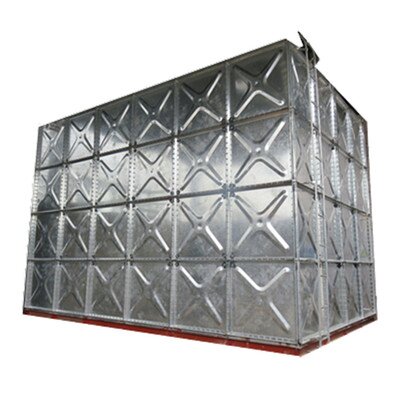
Galvanized water tanks are a cornerstone of modern water storage systems in industrial, commercial, and agricultural sectors. Known for their durability, corrosion resistance, and long service life, these tanks provide a reliable solution for storing potable water, process water, fire protection reserves, irrigation, and more.
In this article, we will explore the construction, benefits, applications, design considerations, and maintenance of galvanized water tanks, offering a comprehensive guide to help facility managers, engineers, and industrial operators make informed decisions.
What Are Galvanized Water Tanks?
A galvanized water tank is constructed from steel coated with a layer of zinc. This galvanization protects the steel from corrosion, extends the tank’s lifespan, and ensures its structural integrity even in harsh environmental conditions. The hot-dip galvanizing process forms a metallurgical bond between zinc and steel, creating a protective barrier that can self-heal minor scratches or abrasions. According to data from the American Galvanizers Association (AGA), hot-dip galvanized steel can resist corrosion for 30–60 years, depending on environmental exposure.
Benefits of Galvanized Water Tanks
Galvanized tanks provide numerous advantages that make them suitable for a wide range of industrial applications:
- Long-Term Corrosion Resistance: The zinc coating protects against rust, making these tanks ideal for outdoor or humid environments.
- High Structural Strength: Galvanized steel panels can handle high water volumes and external pressures, supporting both ground-level and elevated installations.
- Modular Design: Prefabricated panels enable scalable tank capacity and facilitate easier on-site assembly.
- Low Maintenance: Galvanized tanks require minimal maintenance compared to other tank materials, reducing long-term operational costs.
- Versatility: They are suitable for potable water storage with appropriate liners, process water, fire water reserves, and irrigation systems.
Industrial Applications
Galvanized water tanks serve a variety of industrial and commercial applications:
Fire Protection Systems
Reliable water storage is essential for fire suppression systems. Galvanized tanks serve as emergency reservoirs, meeting fire code requirements for industrial facilities, commercial complexes, and residential developments.
Cooling and HVAC Systems
Manufacturing plants, data centers, and power plants often use galvanized tanks to store cooling tower make-up water, providing a stable supply that helps prevent equipment downtime.
Process Water Storage
Many industrial processes require continuous water availability. Galvanized tanks are ideal for washing, rinsing, chemical processing, or thermal operations, ensuring consistent water flow and temperature.
Agricultural and Irrigation Use
Large-scale farms and agricultural facilities rely on galvanized tanks to store irrigation water and livestock supplies. Their outdoor durability and resistance to environmental factors make them practical for long-term use.
Rainwater Harvesting
Galvanized tanks are widely adopted for industrial and commercial rainwater harvesting, providing reliable storage while reducing reliance on municipal water.
Construction and Civil Projects
Temporary or semi-permanent water storage in construction sites often uses galvanized tanks for concrete mixing, dust suppression, and temporary utilities.
Commercial Buildings
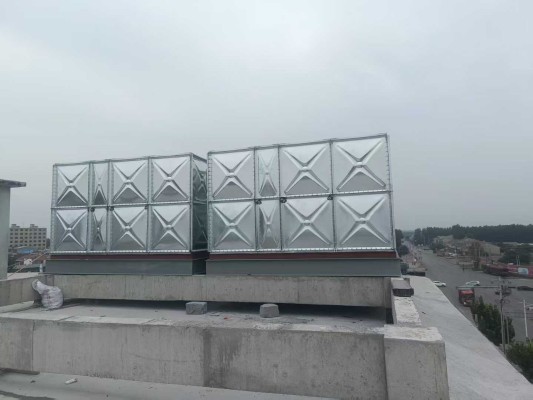
Office complexes, hotels, and shopping centers utilize galvanized tanks for potable and non-potable water, combined with structural support systems like bases and rods for rooftop installations.
Comparison of Galvanized Tanks with Other Materials
| Tank Type | Corrosion Resistance | Strength | Maintenance | Ideal Applications | Lifespan |
|---|---|---|---|---|---|
| Galvanized Steel | High | High | Low | Industrial, fire water, irrigation | 30–60 years |
| Stainless Steel | Excellent | Moderate | Very Low | Hygienic water, high purity | 20–40 years |
| Enamel Steel | Very High | Moderate | Low | Municipal, long-term storage | 30–50 years |
| Fiberglass | Medium-High | Moderate | Low | Rooftop, chemical storage | 20–30 years |
| Underground Tanks | Varies | High | Moderate | Space-limited sites, large-volume storage | 30+ years |
Design Considerations for Galvanized Water Tanks
Proper design ensures efficiency, safety, and longevity.
Tank Capacity
Volume should accommodate peak water demand, emergency storage, and operational fluctuations. Industrial facilities often require 50 m³ to over 500 m³ depending on use.
Structural Support
Large tanks need internal tie-rods, external bracing, and robust base foundations to handle hydrostatic pressures.
Environmental Conditions
Coating thickness and panel specifications are chosen based on outdoor exposure, humidity, and industrial corrosive environments.
Water Quality Requirements
For potable water or food-related processes, certified liners or membranes ensure hygiene standards are met.
Integration With Facility Systems
Automated pumps, sensors, and monitoring systems help maintain water levels, temperature, and quality.
Maintenance Guidelines
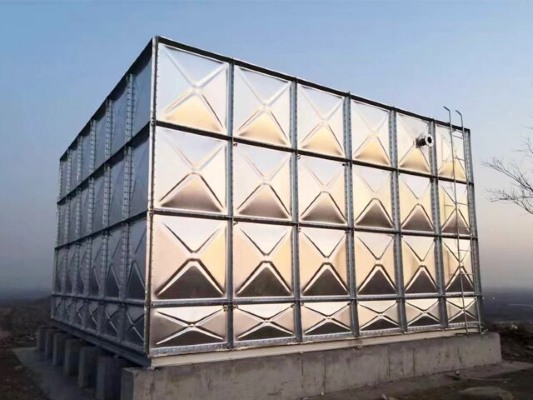
Although galvanized tanks are low-maintenance, regular inspections ensure durability and water quality:
- Check panel connections and bolts for corrosion or loosening.
- Inspect gaskets and seals annually.
- Clean tank bottoms to remove sediment.
- Monitor for scratches or coating degradation and repair if needed.
- Ensure liner integrity for potable water applications.
Routine care can significantly extend the tank’s operational life, ensuring reliable service for decades.
Conclusion
Galvanized water tanks are a dependable, corrosion-resistant solution for industrial, commercial, and agricultural water storage. Their modular design, long lifespan, and versatility make them a top choice for applications ranging from fire protection and cooling systems to irrigation and rainwater harvesting. Proper selection, design, and maintenance ensure operational efficiency, safety, and sustainability, making galvanized tanks a strategic investment for any facility.
FAQ
Can galvanized water tanks store drinking water?
Yes, with certified potable water liners and proper hygiene maintenance.
How long do galvanized water tanks last in outdoor industrial environments?
Typically 30–60 years depending on coating thickness, climate, and maintenance practices.
Are galvanized tanks suitable for hot water storage?
They can store warm water; however, for consistently high temperatures, stainless steel or enamel tanks may be more appropriate.