Table of Contents
Introduction
Galvanized water tanks are widely used in industrial facilities, commercial buildings, agricultural sites, and municipal projects thanks to their durability, corrosion resistance, and long-term stability. These tanks are engineered to deliver dependable water storage for fire protection, cooling systems, industrial processing, and daily operational use.
This article provides a comprehensive and practical guide to galvanized water tanks, including construction principles, applications, performance characteristics, industry standards, and maintenance insights. It is designed to help engineers, procurement teams, and facility managers make informed decisions backed by real operational data.
What Is a Galvanized Water Tank?
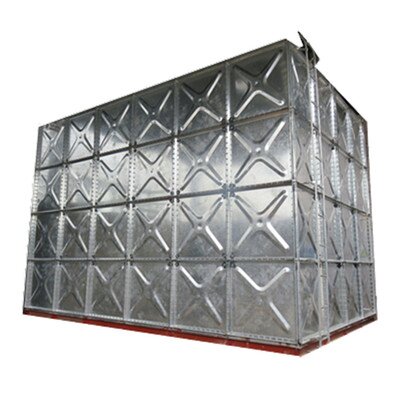
A galvanized water tank is a steel water storage structure coated with zinc to prevent corrosion and extend service life. Galvanizing forms a protective barrier that shields the steel from moisture, oxygen, and chemical exposure.
According to long-term corrosion performance data published by the American Galvanizers Association (AGA), hot-dip galvanized coatings can protect steel for 30–60 years depending on environmental conditions, making them one of the most reliable solutions for industrial water storage.
Why Industries Choose Galvanized Water Tanks
Galvanized tanks are popular in industrial environments for several key reasons:
Long-Term Corrosion Resistance
The zinc layer prevents rusting far more effectively than painted coatings. This is essential for outdoor facilities, high-humidity environments, and areas with variable temperatures.
High Structural Strength
Galvanized steel panels deliver strong load-bearing capability, making them suitable for high-volume water storage systems and elevated tank towers.
Modular and Scalable Design
Industrial sites can easily increase storage capacity by adding or reconfiguring galvanized panels, making expansion flexible and cost-efficient.
Fast Installation and Low Maintenance
Prefabricated panels allow quick on-site assembly, while the galvanized surface requires minimal repair work over its lifespan.
Compatibility With Multiple Water Uses
Galvanized tanks can store potable water (with appropriate liners), process water, fire-fighting reserves, cooling tower make-up water, and agricultural water.
Industrial Applications of Galvanized Water Tanks
Galvanized tanks are used across a broad range of industrial and commercial environments:
Fire Protection Systems
Industrial fire protection requires large, stable water reserves. Galvanized tanks are ideal for compliance with NFPA and industrial safety standards.
Cooling Tower Water Storage
Cooling systems in manufacturing, power plants, and data centers rely on stable water supply. Galvanized tanks deliver both capacity and structural stability.
Industrial Processing
Many production lines require continuous water for washing, rinsing, mixing, or thermal processes.
Agriculture and Livestock Operations
Galvanized tanks withstand outdoor exposure, making them suitable for irrigation, livestock water storage, and pesticide mixing.
Rainwater Harvesting Systems
Their corrosion resistance and modularity make them perfect for large-scale industrial harvesting applications.
Material Construction and Working Principles
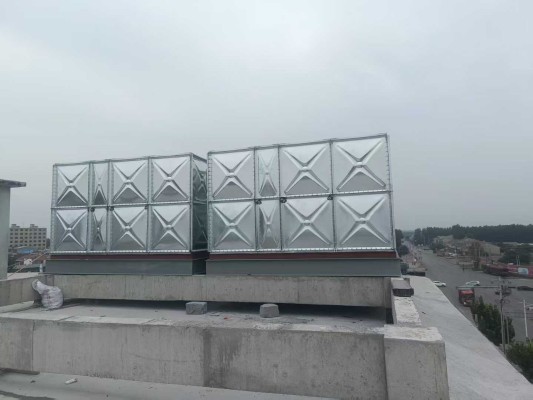
Galvanized water tanks are typically built using:
- Hot-dip galvanized steel sheets
- High-tensile structural bolts
- EPDM food-grade sealing gaskets
- Reinforced internal tie-rods or support rods
- Optional liners such as PVC, HDPE, or drinking-water-grade membranes
The zinc coating reacts with the environment to produce zinc carbonate—an extremely tough protective layer that self-heals minor scratches and abrasions.
Comparison Table: Galvanized vs Other Industrial Tanks
| Tank Type | Corrosion Resistance | Installation Flexibility | Weight | Maintenance | Typical Use Cases | Lifespan |
|---|---|---|---|---|---|---|
| Galvanized Steel | High | High (modular) | Heavy | Low | Fire protection, industrial cooling | 30–60 years |
| Stainless Steel | Excellent | Moderate | Moderate | Very Low | Hygiene-sensitive, food & pharma | 20–40 years |
| Enamel Steel | Very high (glass coating) | Moderate | Heavy | Low | Municipal, long-term storage | 30–50 years |
| Fiberglass (FRP) | Medium–High | Very High | Very light | Low | Rooftop, small or medium tanks | 20–30 years |
| Underground Tanks | Depends on material | Low | Heavy | Moderate | Land-limited facilities | 30+ years |
Engineering Considerations for Galvanized Tank Design
When designing a galvanized water tank for industrial use, engineers typically evaluate:
1. Required Volume and Flow Demand
Storage volume is based on peak usage, daily consumption, and emergency requirements such as fire reserve capacity.
2. Structural Reinforcement
Large tanks require internal tie-rods and external bracing to handle hydrostatic pressure.
3. Foundation and Base Preparation
A flat, stable, reinforced concrete base ensures long tank lifespan and structural stability.
4. Environmental Exposure
Coating thickness and panel specification are chosen depending on whether the tank is installed in industrial zones, coastal areas, or corrosive environments.
5. Water Quality Requirements
Tanks storing drinking water or food-processing water require high-quality membranes or liners.
6. Compliance With Industrial Standards
Many regions require compliance with ASME, ISO, AWWA, or local engineering codes depending on the tank’s intended use.
Maintenance Requirements
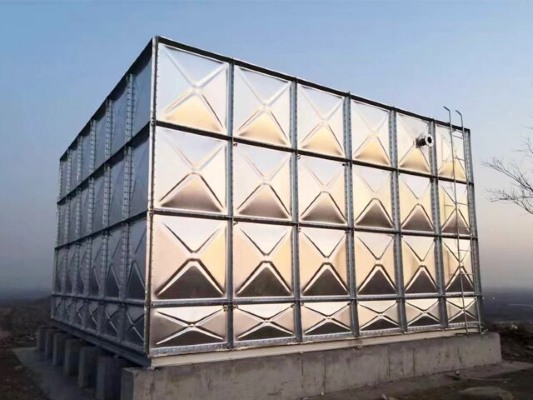
Galvanized tanks are low-maintenance, but routine inspection ensures long-term performance:
- Check panel connections annually
- Inspect gaskets and seals for aging
- Clean sediment from the tank bottom when necessary
- Inspect liner condition if installed
- Monitor for signs of abrasion or coating wear
With proper care, galvanized water tanks operate reliably for several decades.
Conclusion
Galvanized water tanks offer a strong, durable, and adaptable solution for industrial water storage. Their corrosion resistance, modularity, long service life, and wide application range make them a trusted choice across industries worldwide. Whether for fire protection, cooling systems, processing operations, or rainwater harvesting, galvanized tanks provide reliable water management that supports long-term operational stability.
FAQ
Can galvanized tanks store potable water?
Yes—when equipped with a certified potable water liner and installed following hygiene standards.
How long do galvanized water tanks last in industrial environments?
Industry data shows 30–60 years depending on climate, coating thickness, and maintenance.
Are galvanized tanks suitable for high-temperature water?
They can store warm water, but continuous high-temperature use is better suited for stainless steel or enamel tanks.
Need Help Selecting the Right Industrial Water Tank?
If you’re unsure which type of water tank—galvanized, stainless steel, enamel, fiberglass, or underground—best fits your project, our technical team is ready to assist. Contact us today for a tailored consultation and ensure your water storage system is durable, compliant, and built to perform. Don’t wait until issues arise—reach out now to secure a reliable solution for your facility!