Table of Contents
Why Galvanized Water Tanks Matter
Across industries and communities, the need for reliable, long-lasting water storage is growing rapidly. From municipal supply systems to industrial cooling processes, the performance of a storage tank directly affects operational efficiency and water safety. Traditional mild steel tanks are prone to corrosion, which leads to leaks, contamination, and frequent maintenance. Galvanized water storage tanks have emerged as a trusted solution that combines structural strength, corrosion protection, and hygiene.
What Is a Galvanized Water Storage Tank
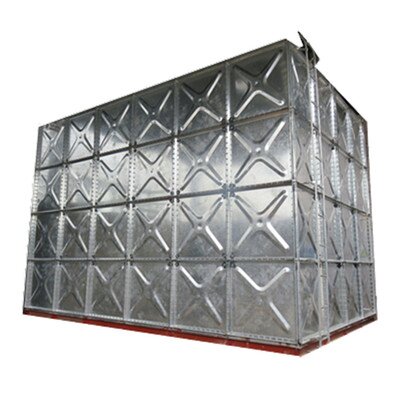
A galvanized water storage tank is a steel structure coated with a protective layer of zinc. The zinc coating serves as a barrier that prevents rust and corrosion, ensuring the steel underneath remains intact even after years of exposure to moisture. Galvanization can be performed using two main techniques—hot-dip galvanizing and electro-galvanizing.
Hot-dip galvanizing involves immersing the steel components into molten zinc at around 450°C, allowing the zinc to bond metallurgically with the steel surface. This process produces a thicker, more uniform coating compared to electroplating, resulting in superior corrosion resistance. Galvanized tanks are used for various purposes such as potable water storage, rainwater harvesting, firefighting systems, industrial process water, and agricultural irrigation.
Manufacturing Process and Material Technology
Raw Materials Used in Galvanized Tanks
High-quality carbon steel is selected for its tensile strength and weldability. The zinc coating thickness is determined according to international standards such as ASTM A123/A153, ensuring consistent corrosion protection.
The Hot-Dip Galvanizing Process
- Surface Preparation: The steel parts are cleaned to remove oil, rust, and impurities.
- Pickling and Fluxing: Acid pickling eliminates oxides, while fluxing ensures the zinc adheres properly.
- Galvanizing: Components are submerged in molten zinc, forming a continuous coating.
- Cooling and Finishing: After withdrawal, the tank parts cool and solidify, creating a robust zinc-steel alloy layer.
Quality Inspection and Coating Thickness Testing
Each component undergoes visual and microscopic inspection to verify coating uniformity. Coating thickness is measured using non-destructive testing devices, and adhesion tests ensure long-term stability.
Key Advantages of Galvanized Water Storage Tanks
Long-Term Corrosion Resistance
The zinc layer acts as a sacrificial anode, meaning it corrodes in place of the steel beneath. This galvanic protection ensures the tank’s structural integrity for decades, even in humid or saline environments.
High Structural Strength and Durability
Galvanized tanks can withstand high internal pressure, heavy loads, and outdoor exposure. They remain stable under temperature fluctuations and can be used in both on-ground and elevated configurations.
Hygienic and Safe for Water Storage
The smooth, non-porous surface prevents bacterial growth and sediment accumulation. When properly sealed, galvanized tanks meet NSF/ANSI 61 standards, making them suitable for potable water applications.
Easy Installation and Maintenance
Modular panel designs allow quick assembly at the project site, even in remote areas. Maintenance is minimal—occasional inspection and cleaning are enough to ensure peak performance.
Applications of Galvanized Water Tanks
Galvanized water storage tanks serve a wide variety of sectors due to their strength and adaptability:
- Municipal Water Systems: Used for distributing drinking water to communities.
- Industrial Facilities: Ideal for process water, cooling towers, and wastewater storage.
- Agriculture and Livestock: Provide durable irrigation and drinking water solutions.
- Fire Protection: Serve as emergency reservoirs in commercial and industrial complexes.
- Rainwater Harvesting: Reliable for long-term collection and storage of rainwater.
Their modular design, combined with corrosion resistance, makes them an excellent fit for regions with high humidity or saline soil conditions.
Comparison with Other Water Tank Materials
| Property / Material Type | Galvanized Steel Tank | Stainless Steel Tank | FRP Tank | Plastic Tank |
|---|---|---|---|---|
| Corrosion Resistance | Excellent | Excellent | Excellent | Moderate |
| Structural Strength | High | Very High | Medium | Low |
| Maintenance Needs | Low | Low | Medium | High |
| Lifespan | 20–30 years | 25–35 years | 20–25 yrs | 10–15 yrs |
| Installation Ease | Moderate | Complex | Easy | Easy |
| Typical Applications | Industrial, Fire, Municipal | Food, Pharma | Chemical, Water Treatment | Residential, Temporary |
While stainless steel tanks excel in hygiene and longevity, galvanized tanks provide an optimal balance of cost efficiency, durability, and strength. Compared with FRP or plastic tanks, they handle higher pressures and offer superior UV and temperature resistance.
Maintenance Guidelines for Galvanized Water Storage Tanks
Regular Inspection Schedule
To maintain performance, it’s recommended to inspect the tank at least once every 12–18 months. Look for any signs of coating wear, rust formation, or joint leakage.
Cleaning Procedures
Flush the tank regularly to remove sediment buildup. Use mild detergents or non-acidic cleaning agents and soft brushes to avoid damaging the zinc layer. Ensure all inlets and vents are sealed after cleaning.
Common Maintenance Mistakes to Avoid
Avoid using strong acids, abrasive tools, or high-pressure steam during cleaning, as these can strip the zinc layer. Also, never mix galvanized components with copper or brass fittings to prevent galvanic corrosion.
Case Study – Galvanized Water Tanks in Industrial Use
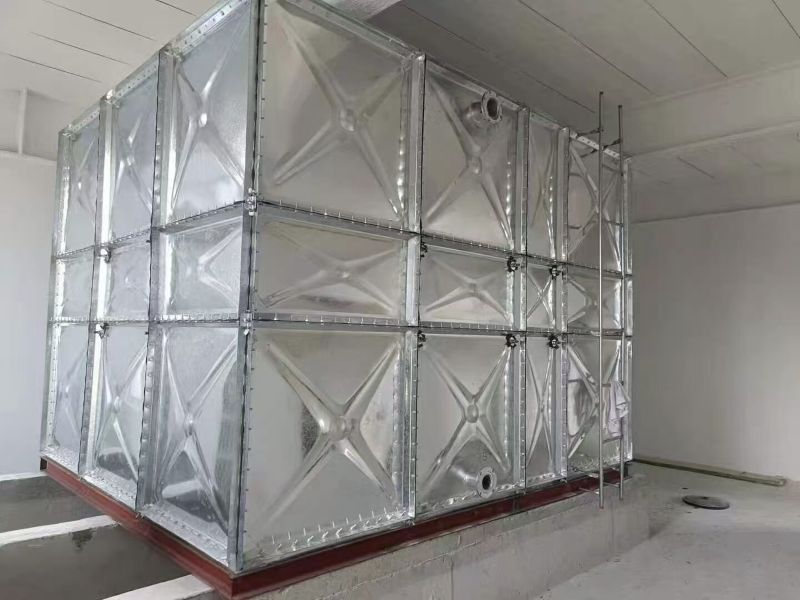
In 2023, an energy plant located in Southeast Asia replaced its aging concrete reservoirs with modular galvanized water tanks. The facility required a durable solution that could withstand high humidity, intense sunlight, and occasional saline exposure from nearby sea winds. After installation, the tanks demonstrated stable water quality, minimal maintenance requirements, and strong corrosion resistance even after a year of continuous operation. This project highlighted the reliability and cost-efficiency of galvanized storage systems in tropical environments.
Safety Standards and International Certifications
To ensure reliability and compliance, galvanized water tanks adhere to several international standards:
- ASTM A123 / A153: Specifications for zinc coating by the hot-dip process.
- ISO 1461: General requirements for hot-dip galvanized coatings on fabricated iron and steel.
- NSF/ANSI 61: Drinking water system component health effects standard.
- EN ISO 14713: Corrosion protection guidelines for galvanized coatings.
These standards guarantee structural integrity, safety, and suitability for both industrial and potable water storage.
Conclusion
Galvanized water storage tanks represent a proven, durable, and corrosion-resistant solution for modern water management systems. Combining high structural strength with easy installation and low maintenance, they serve as a reliable choice for industries, municipalities, and agricultural users alike. By choosing quality galvanized tanks from a reputable manufacturer, organizations can ensure water safety and system longevity for decades.
FAQ
How long does a galvanized water storage tank last?
Typically 20 to 30 years, depending on environmental exposure and maintenance.
Are galvanized tanks safe for drinking water?
Yes. Tanks that meet NSF/ANSI 61 standards are suitable for potable water storage.
Can galvanized tanks be used outdoors?
Absolutely. The zinc coating provides UV and weather resistance, making them ideal for outdoor environments.
How do I prevent rust on a galvanized tank?
Keep the surface clean, avoid abrasive cleaning tools, and inspect the coating regularly for damage.
What is the difference between hot-dip and electro-galvanized tanks?
Hot-dip galvanizing offers a thicker, more durable coating, providing better corrosion resistance for long-term water storage.