Table of Contents
Introduction
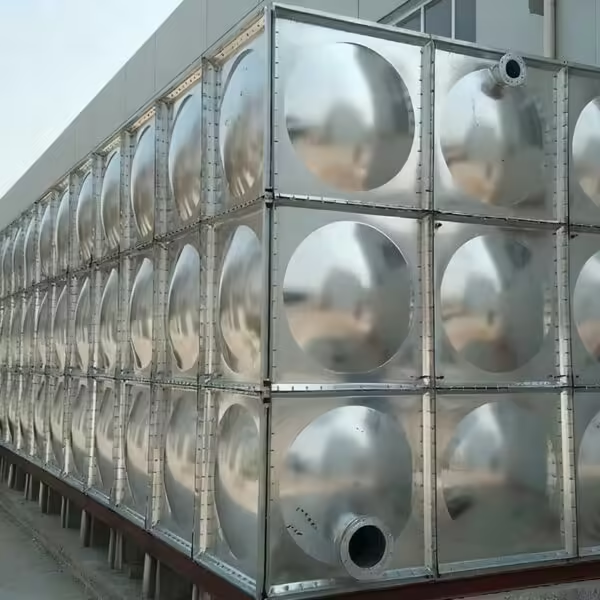
A galvanized water holding tank is a crucial component in water storage systems, commonly used in residential, agricultural, and industrial settings. Its corrosion-resistant coating provides durability, but proper maintenance is essential to extend its lifespan and ensure safe water storage. In this guide, we will explore key maintenance concepts, practical tips, and comparisons to help you manage your galvanized water holding tank effectively.
Understanding Galvanized Water Holding Tanks
What is a Galvanized Water Holding Tank?
A galvanized water holding tank is made from steel coated with a layer of zinc. This zinc coating protects the steel from rust and corrosion, making the tank suitable for long-term water storage. The coating also helps maintain water quality by preventing metal contamination. Proper understanding of the material and structure of these tanks is important for their maintenance.
Benefits of Galvanized Tanks
Galvanized water holding tanks are widely appreciated for their durability, cost-effectiveness, and relatively low maintenance requirements. They can last 20–30 years if properly cared for. Additionally, they are suitable for both potable water and non-potable water applications, offering versatility for different needs.
Common Challenges
Despite their advantages, galvanized tanks face issues such as internal corrosion, sediment buildup, and zinc layer deterioration. Poor maintenance can lead to leaks, water contamination, and reduced lifespan. Recognizing these challenges early can help prevent costly repairs.
Maintenance Essentials
Cleaning and Sediment Removal
Regular cleaning is essential to maintain water quality and prevent sediment accumulation. Sediment can reduce water capacity and promote bacterial growth. Use mild detergents and soft brushes to clean the tank interior and avoid harsh chemicals that could damage the zinc coating.
Inspecting for Rust and Corrosion
Even though galvanized tanks are corrosion-resistant, inspecting for rust spots is crucial. Minor rust areas can be treated with zinc-rich paint or coating. Pay attention to seams and welds, as these areas are more prone to corrosion.
Checking Inlet and Outlet Valves
The inlet and outlet valves should be inspected regularly for leaks and blockages. A malfunctioning valve can lead to water wastage or contamination. Ensure proper sealing and lubrication when needed.
Comparing Maintenance Methods
| Maintenance Method | Frequency | Cost Range (USD) | Effectiveness |
|---|---|---|---|
| Manual cleaning | 6–12 months | 50–150 | High |
| Chemical treatment | 3–6 months | 30–80 | Medium |
| Professional inspection | 12 months | 100–250 | Very High |
| Zinc recoating | 5–10 years | 200–500 | High |
The table above highlights common maintenance approaches, their costs, and effectiveness. Choosing the right method depends on the tank’s age, usage, and water type.
Conceptual Insights for Better Management
Understanding Water Quality Impact
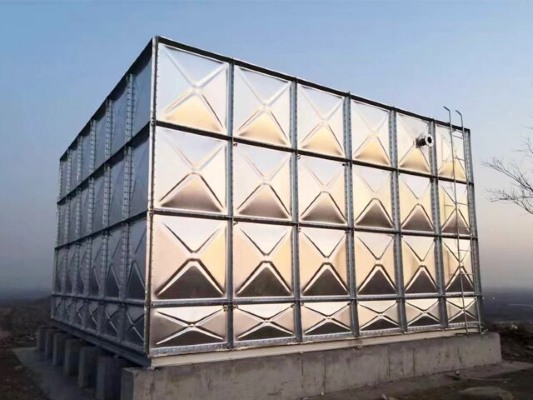
Water quality affects both the longevity of the tank and the safety of stored water. Hard water can accelerate sediment buildup, while acidic water can erode the zinc coating. Regular water testing helps identify issues early and ensures appropriate maintenance strategies.
Comparing Galvanized Tanks with Plastic Tanks
While galvanized tanks offer superior durability, plastic tanks are lighter, easier to install, and resistant to certain chemical corrosion. However, plastic tanks can degrade under UV exposure, whereas galvanized tanks offer better long-term performance for heavy-duty applications.
Structural Considerations
Tank design, including thickness and seam quality, impacts maintenance needs. Heavier gauge steel offers better resistance to damage, while poorly welded seams may require additional inspection and repair. Understanding structural factors helps prioritize maintenance tasks.
Seasonal Maintenance Tips
Environmental conditions influence tank care. In colder climates, inspect for freezing risks, and in hot climates, ensure proper ventilation to prevent algae growth. Seasonal checklists can streamline maintenance efforts and prolong tank lifespan.
Advanced Maintenance Concepts
Predictive Maintenance
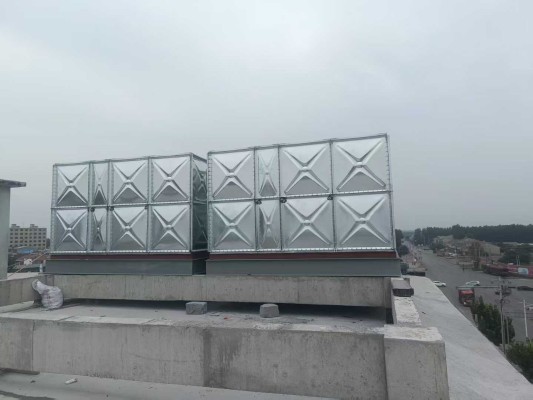
Using sensors and monitoring tools, predictive maintenance can anticipate problems before they become critical. Parameters such as water level, temperature, and pH can indicate potential corrosion or sediment issues, allowing proactive interventions.
Emergency Repairs
Minor leaks or coating failures can be repaired quickly with epoxy or zinc-rich paints. However, major structural damage may require professional intervention. Understanding emergency repair techniques helps reduce downtime and water loss.
FAQ
How often should I clean a galvanized water holding tank?
Cleaning is recommended every 6–12 months, depending on water quality and sediment levels. High sediment or hard water may require more frequent cleaning.
What’s the difference between galvanized and plastic water tanks?
Galvanized tanks are more durable and suitable for heavy-duty applications, while plastic tanks are lightweight, easier to move, and resistant to some chemical corrosion. Your choice depends on usage, environment, and budget.
How can I prevent corrosion in my galvanized tank?
Regular inspections, cleaning, and monitoring water pH levels can prevent corrosion. Treating small rust spots promptly with zinc-rich coatings is also effective.
When should I consider replacing my galvanized water holding tank?
If the tank shows major structural damage, extensive corrosion, or leaks that cannot be repaired, replacement is recommended to ensure safe water storage.