Table of Contents
Introduction
As water storage systems continue to expand across industrial, municipal, and agricultural sectors, material selection has become a critical design decision. Fiberglass water tanks have gained wide adoption due to their lightweight structure, strong corrosion resistance, and adaptability to diverse environments.
Unlike traditional metal tanks, fiberglass water tanks are manufactured using composite materials that combine strength, durability, and chemical stability. These characteristics make them particularly suitable for projects that require easy installation, long service life, and reliable performance under challenging environmental conditions. This article explores how fiberglass water tanks work, where they perform best, and why they are increasingly specified in modern water storage systems.

What Are Fiberglass Water Tanks?
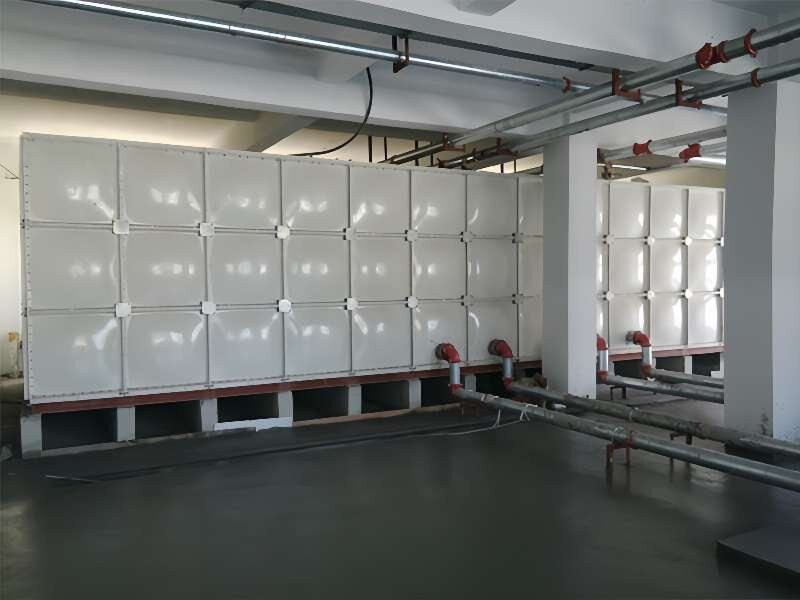
Fiberglass water tanks are storage vessels made from fiber-reinforced plastic, typically consisting of glass fibers embedded in a resin matrix. This composite structure provides high tensile strength while maintaining a relatively low overall weight. The manufacturing process allows for seamless construction, reducing the risk of leakage and structural weakness.
Because fiberglass is inherently resistant to corrosion, fiberglass water tanks do not require protective coatings or linings. This makes them well-suited for long-term water storage in environments where metal tanks may be vulnerable to chemical or environmental degradation.
Material Properties and Structural Performance
The strength of fiberglass water tanks comes from the interaction between glass fibers and resin. Glass fibers provide mechanical reinforcement, while the resin distributes loads and protects against moisture penetration. This structure allows fiberglass tanks to withstand hydrostatic pressure and external forces without significant deformation.
Despite being lightweight, fiberglass water tanks can be engineered for large capacities and varying load conditions. Structural reinforcement can be adjusted during manufacturing to meet specific design requirements, ensuring safe operation across different installation scenarios.
Corrosion Resistance and Chemical Stability
One of the most important advantages of fiberglass water tanks is their corrosion resistance. Fiberglass does not rust, oxidize, or react with most chemicals commonly found in water storage applications. This makes fiberglass tanks particularly suitable for industrial process water, wastewater treatment, and chemically aggressive environments.
Because corrosion is not a concern, fiberglass water tanks maintain consistent structural integrity over time. This stability reduces the likelihood of unexpected failures and contributes to predictable long-term performance.
Installation Advantages and Site Flexibility
Fiberglass water tanks are significantly lighter than steel alternatives, which simplifies transportation and installation. In many cases, tanks can be installed without heavy lifting equipment, reducing site preparation requirements and installation time.
These tanks can be installed above ground, partially buried, or fully underground, depending on design specifications. Their adaptability allows project planners to integrate water storage into space-constrained or remote locations with minimal structural modification.
Hygiene and Water Quality Considerations
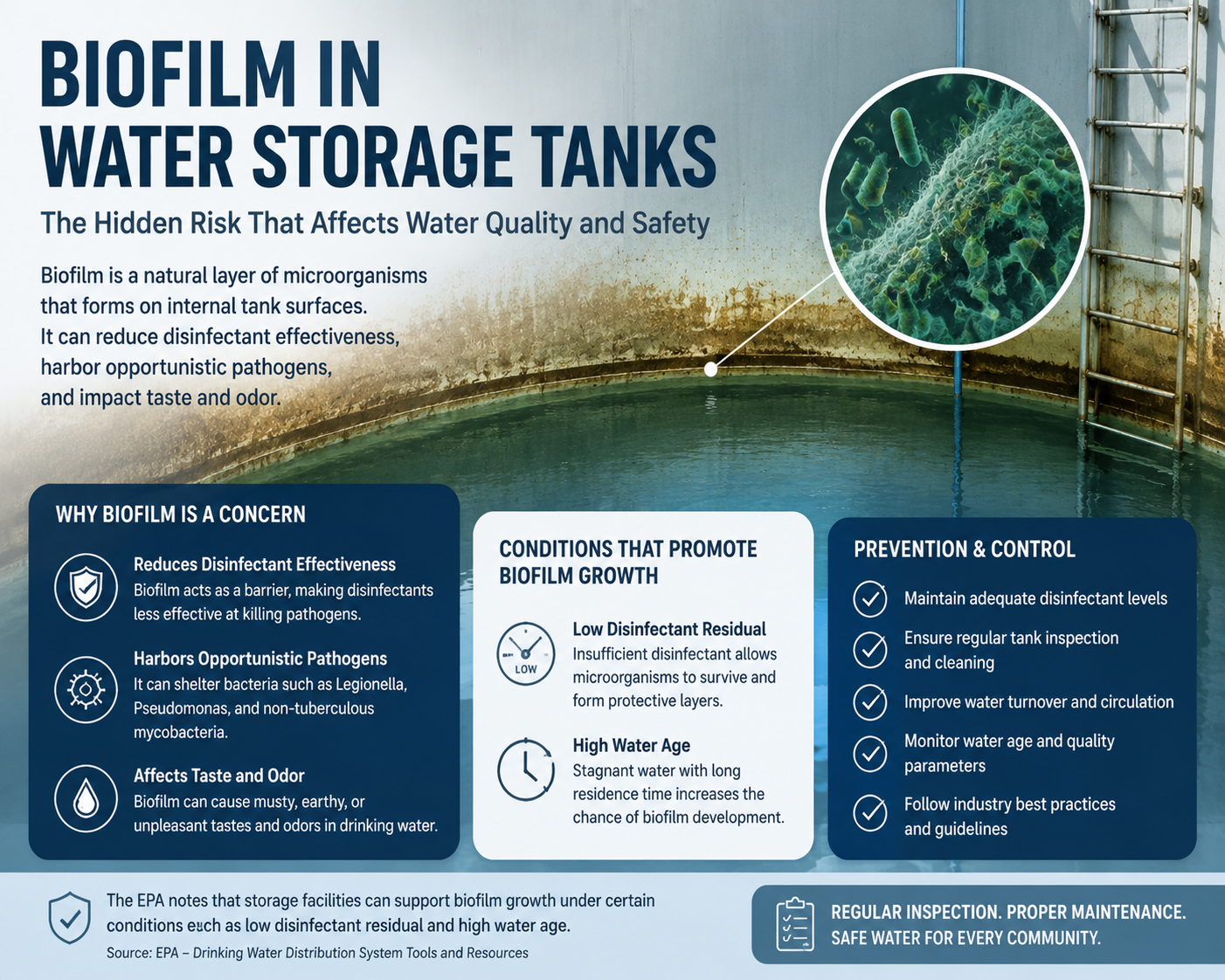
Fiberglass water tanks provide smooth interior surfaces that limit sediment accumulation and microbial growth. When manufactured with appropriate resins and finishes, fiberglass tanks are suitable for potable water storage and comply with many regional water quality standards.
Custom interior finishes can further enhance hygiene by improving cleanability and reducing biofilm formation. This makes fiberglass water tanks suitable for municipal water supply, agricultural irrigation, and selected industrial applications.
Maintenance and Service Life
Maintenance requirements for fiberglass water tanks are generally low. Because the material does not corrode, routine inspections focus on structural integrity, fittings, and seals rather than surface degradation.
Over long service periods, fiberglass water tanks retain their shape and performance characteristics with minimal intervention. Proper installation and foundation support are essential to ensure uniform load distribution and prevent localized stress.
Environmental and Sustainability Considerations
Fiberglass water tanks support sustainable infrastructure development by offering long service life and reduced maintenance needs. Their lightweight design reduces transportation energy consumption, and their durability minimizes the need for replacement or repair.
While fiberglass is not recycled in the same way as steel, its long operational lifespan contributes to overall resource efficiency by reducing material turnover and construction waste.
Typical Applications of Fiberglass Water Tanks
Municipal and Rural Water Supply
Fiberglass water tanks are commonly used in rural and decentralized water systems where ease of installation and corrosion resistance are critical.
Industrial Process and Wastewater Systems
Industries use fiberglass water tanks for process water, treated effluent, and chemical storage due to material stability and low maintenance requirements.
Agricultural Irrigation and Livestock Watering
Lightweight construction and chemical resistance make fiberglass tanks suitable for agricultural environments, including fertilizer and treated water storage.
Fire Protection Water Storage
Fiberglass water tanks are also used in fire protection systems where reliable water availability and structural durability are required.
Table: Key Characteristics of Fiberglass Water Tanks
| Feature | Fiberglass Water Tanks |
|---|---|
| Material Type | Fiber-reinforced plastic |
| Corrosion Resistance | Excellent |
| Weight | Lightweight |
| Installation Flexibility | High |
| Maintenance Needs | Low |
| Suitable Applications | Municipal, industrial, agricultural |
Comparison with Other Water Tank Materials
Compared with galvanized or stainless steel water tanks, fiberglass water tanks offer advantages in corrosion resistance and installation convenience. While metal tanks may provide higher structural rigidity in certain applications, fiberglass tanks excel in environments where chemical exposure, moisture, and installation constraints are key considerations.
Selecting the appropriate tank material depends on water quality, capacity requirements, site conditions, and long-term operational goals.
Conclusion
Fiberglass water tanks provide a practical and reliable solution for modern water storage needs. Their lightweight construction, corrosion resistance, and adaptable design make them suitable for a wide range of applications across municipal, industrial, and agricultural sectors.
When properly engineered and installed, fiberglass water tanks deliver long-term performance with minimal maintenance, supporting efficient and resilient water storage infrastructure.
FAQ
What are fiberglass water tanks made of?
They are made from glass fiber reinforcement combined with resin to create a strong, corrosion-resistant composite structure.
Are fiberglass water tanks suitable for potable water?
Yes, when manufactured with approved materials and finishes, they can be used for drinking water storage.
Do fiberglass water tanks corrode over time?
No, fiberglass does not rust or oxidize, making it highly resistant to corrosion.
Can fiberglass water tanks be installed underground?
Yes, they can be designed for above-ground or underground installation depending on project requirements.
How long do fiberglass water tanks typically last?
With proper installation and maintenance, fiberglass water tanks can provide reliable service for many years.