Table of Contents
Introduction
Fiberglass water tanks, also known as FRP (Fiber Reinforced Plastic) water tanks, have become a widely adopted solution for industries that require corrosion resistance, lightweight construction, and long-term durability. Manufactured using reinforced fiberglass and specialized resins, these tanks offer high strength-to-weight ratios and excellent chemical resistance, making them suitable for potable water, chemicals, wastewater, fire protection, and industrial process water.
As businesses move toward more efficient and low-maintenance storage systems, fiberglass water tanks stand out for their reliability and adaptability across various installation environments. This article offers a detailed look at how FRP tanks work, their benefits, key applications, design factors, and how they compare to other water storage materials.
What Are Fiberglass Water Tanks?
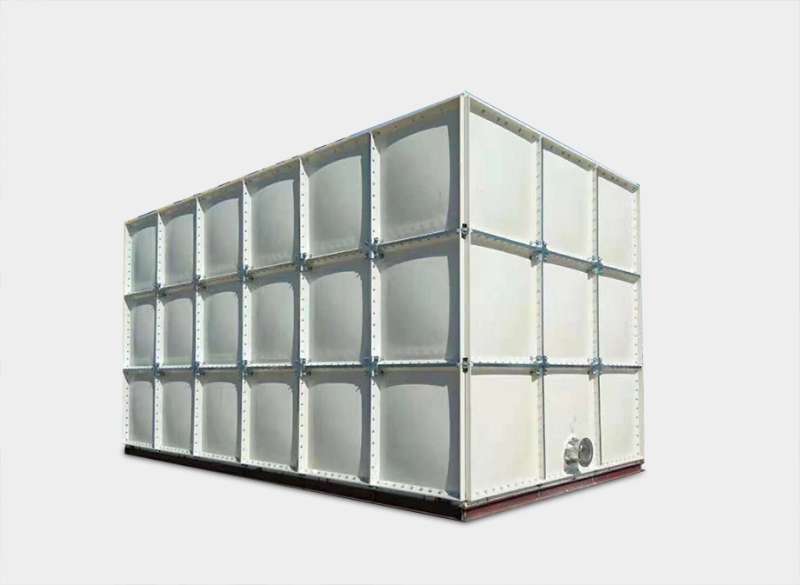
Fiberglass water tanks are composite storage systems constructed using layers of fiberglass reinforcement and resin. This method creates a lightweight yet strong vessel capable of handling external pressure, internal water loads, and chemical exposure. They are available in modular panel types, cylindrical designs, and custom-engineered configurations to suit different installation conditions.
Advantages of Fiberglass Water Tanks
Exceptional Corrosion Resistance
Fiberglass tanks do not rust, corrode, or degrade when exposed to chemicals, moisture, or harsh environments. This makes them ideal for chemical plants, coastal areas, and wastewater systems.
Lightweight and Easy to Install
Compared with steel and concrete tanks, fiberglass tanks are significantly lighter, enabling easier transport, faster installation, and lower equipment requirements during setup.
High Strength-to-Weight Ratio
Fiberglass components deliver excellent mechanical strength without the added weight, ensuring long-term durability in both underground and above-ground installations.
Low Maintenance Requirements
FRP tanks require minimal upkeep because they are not affected by corrosion, UV exposure, or chemical reaction. Routine inspection is typically sufficient to maintain performance.
Customizable Design
They can be manufactured in various shapes, capacities, and configurations to meet specific industrial needs, including modular panel systems for limited-access sites.
Long Service Life
With proper manufacturing and installation, fiberglass tanks can last 20–25 years or more, especially in environments where other materials deteriorate quickly.
Applications of Fiberglass Water Tanks
Potable Water Storage
FRP tanks are designed with food-grade resins to ensure safe drinking water storage for municipalities, schools, hotels, and commercial buildings.
Chemical and Industrial Water Storage
Industries that handle acids, alkalis, or aggressive liquids use fiberglass tanks due to their strong chemical resistance.
Wastewater Treatment Plants
Fiberglass tanks resist biological and chemical reactions, making them ideal for effluent holding, sludge processing, and wastewater treatment systems.
Fire Protection Systems
FRP tanks provide reliable storage for sprinkler systems and fire reserve water in factories, warehouses, and commercial facilities.
Agriculture and Irrigation
Lightweight and durable, fiberglass tanks support irrigation, livestock watering, and rainwater harvesting farms.
Desalination Plants and Coastal Areas
Fiberglass is an ideal choice for marine and coastal environments due to its resistance to saltwater corrosion.
Design Considerations for Fiberglass Water Tanks
When selecting an FRP tank, engineers should assess:
- Required water capacity
- Type of stored liquid (potable water, chemicals, wastewater)
- Installation location (underground, rooftop, open landscape)
- Load-bearing requirements and soil conditions
- Resin type and internal lining material
- Access points, vents, and overflow systems
- Regulatory and sanitation standards
Table: Comparison of Fiberglass Tanks vs Other Tank Types
| Feature | Fiberglass Tank | Stainless Steel Tank | Enamel Tank | Galvanized Tank |
|---|---|---|---|---|
| Corrosion Resistance | Excellent | Very High | Very High | Moderate |
| Weight | Very Light | Heavy | Heavy | Moderate |
| Installation | Easy | Moderate | Moderate | Moderate |
| Maintenance | Low | Low | Low | Moderate |
| Chemical Resistance | Very High | Moderate | High | Low |
| Lifespan | 20–25 years | 25–40+ years | 30+ years | 10–15 years |
| Suitability for Potable Water | High | Excellent | Excellent | Limited |
Maintenance Recommendations
To ensure long-term performance, follow these maintenance tips:
- Inspect the tank annually for structural stress or resin degradation
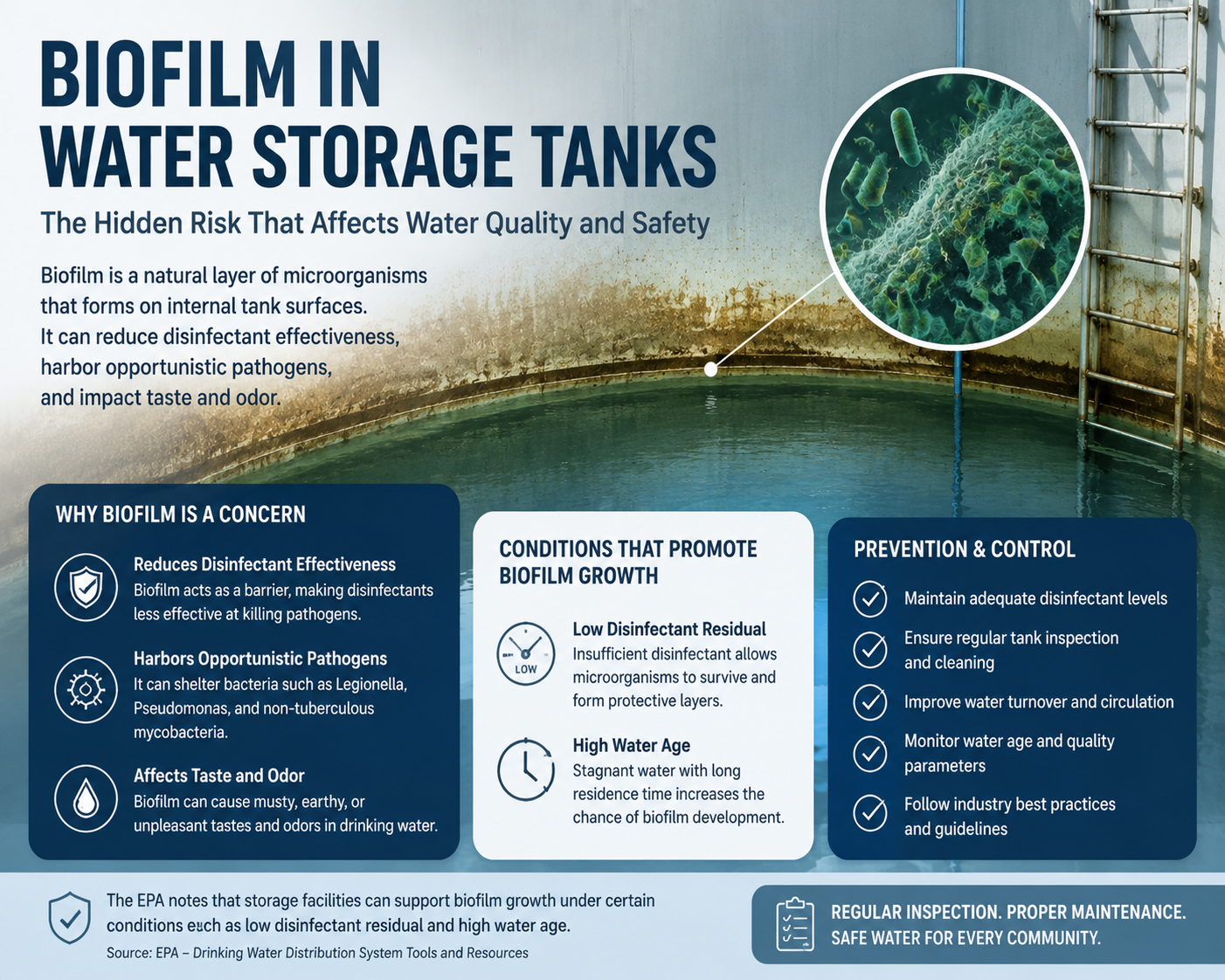
- Clean internal surfaces to prevent biological buildup
- Ensure proper sealing around manholes and access ports
- Monitor water quality for potable applications
- Protect exposed surfaces from excessive UV exposure when used in open areas
Why Choose Fiberglass Water Tanks?
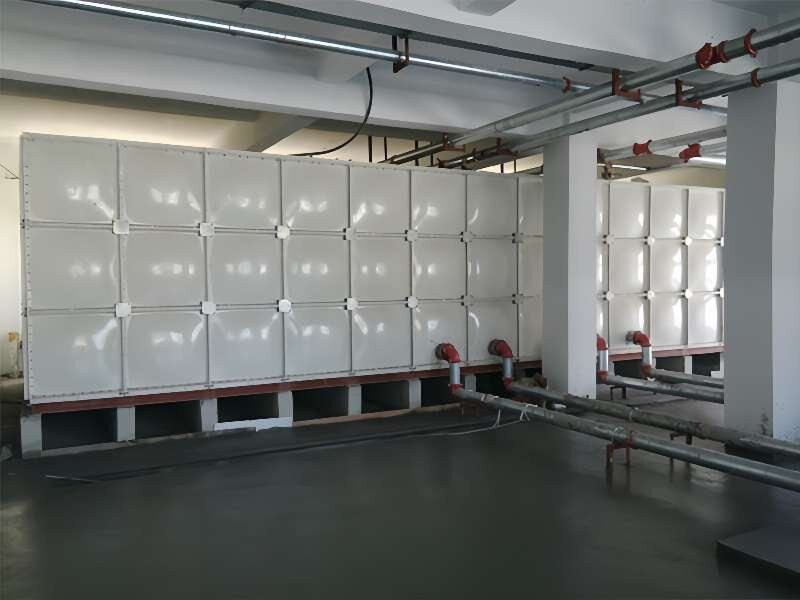
Fiberglass tanks offer the ideal combination of corrosion resistance, strength, lightweight performance, and design flexibility. They are especially valuable in environments where steel tanks may corrode or where installation conditions require a lightweight solution. Their long service life and low maintenance needs make them a practical choice for industrial, municipal, and agricultural projects.
Conclusion
Fiberglass water tanks provide dependable, corrosion-resistant, and lightweight storage for a wide range of applications. Whether used for drinking water, chemicals, fire protection, or wastewater, FRP tanks offer consistent performance and long-term value. For industries seeking reliable and efficient water storage solutions, fiberglass tanks remain a versatile and forward-looking option.
FAQ
What are fiberglass water tanks used for?
Fiberglass water tanks are commonly used for potable water, wastewater, chemicals, fire protection, and industrial process water because of their corrosion resistance and durability.
Are fiberglass water tanks safe for drinking water?
Yes. When manufactured with food-grade resin, fiberglass tanks are safe for storing drinking water and meet hygiene standards for residential, commercial, and industrial applications.
How long do fiberglass water tanks last?
Fiberglass tanks typically offer a service life of 20–25 years with proper installation and periodic inspection.
Can fiberglass water tanks be installed underground?
Yes. Their lightweight structure and strength make them suitable for both above-ground and underground installations.
Do fiberglass water tanks require much maintenance?
No. Fiberglass tanks require minimal maintenance since they do not rust or corrode. Routine inspections and occasional cleaning are generally sufficient.
Need Help Choosing the Right Fiberglass Water Tank?
If you’re unsure which fiberglass, stainless steel, galvanized, underground, or enamel water tank is best for your project, our specialists are here to assist. Contact us today for expert guidance and select a water storage solution that meets your performance and compliance needs. Don’t wait—secure a long-lasting system for your facility now!