Fiberglass vs Steel vs Plastic Water Tankks in 2026
Fiberglass vs Steel vs Plastic Water
Most people in 2026 pick Fiberglass Water Tankk. It is strong, safe, and not too expensive. Stainless steel is very tough and does not rust. Plastic tanks are light and easy to move. But they may harm the environment and health. Everyone should think about safety, how long it lasts, and cost before choosing.
Table of Contents
Key Takeaways
Fiberglass tanks are tough and do not rust. They can last up to 40 years. These tanks work well in tough weather. They do not need much care.
Steel tanks are very strong and can last 40 years if cared for. They are good for hard jobs. But they need to be checked often to stop rust.
Plastic tanks are light and not expensive. They are good for houses. But they may not last as long as fiberglass or steel tanks.
Picking the best water tank in 2026 depends on what you need. Experts say there are three good choices for most people:
Steel tanks are very strong and can hold a lot of water. They last a long time and can handle bad weather.
Plastic tanks save money and do not break easily. Many people use them to collect rainwater or store water at home.
Fiberglass Water Tankk does not get damaged by heat or rust. It is light and works well for factories and chemical storage.
Think about your budget, the weather, and how much water you want to keep. Steel tanks last many years and do not burn, which helps if wildfires happen. Plastic tanks cost less and are easy to take care of. Fiberglass Water Tankk keeps water safe and does not rust, even in tough places.
Tip: Always check the rules in your area before buying a water tank. Some places need tanks that do not burn or have special safety labels.
Key Decision Factors
There are many things to think about when picking a water tank. The table below shows how fiberglass, steel, and plastic tanks are different:
Criteria
Fiberglass Tankks
Steel Tankks
Plastic Tankks
Durability
Does not rust, lasts a long time
Can rust, does not last as long
Strong, can be made bigger or smaller
Safety
Follows safety rules
Needs extra layers to be safe
Getting more safety labels
Cost
Costs more at first, saves money later
Cheaper at first, costs more to fix
Good price, more people use them
Maintenance
Needs little care
Needs fixing and painting often
Easy to care for, good underground
Installation
Light, easy to put in
Heavy, harder to set up
Easy to put in different places
Application
Used for cities, farms, fire safety
Used in many jobs
Used more in cities now
Here are some important things to remember:
Durability: Steel tanks are tough and last for years. Fiberglass tanks do not rust and can handle hot or cold weather. Plastic tanks are light but may not last as long.
Maintenance: Plastic tanks are easy to care for because they do not rust. Steel tanks need to be checked and painted to stop rust. Fiberglass tanks need very little care.
Cost: Plastic tanks are usually cheaper than steel or fiberglass. Steel tanks cost less at first but need more money for repairs. Fiberglass tanks cost more at first but save money later.
Regulatory Compliance: Steel tanks do not burn, which is good if wildfires happen. Plastic tanks can burn more easily. Fiberglass tanks follow safety rules for storing water.
Pick the tank that fits your weather, money, and safety needs. Each kind has special things that help in different places.
Water Tankk Materials Overview
Fiberglass Water Tank Features
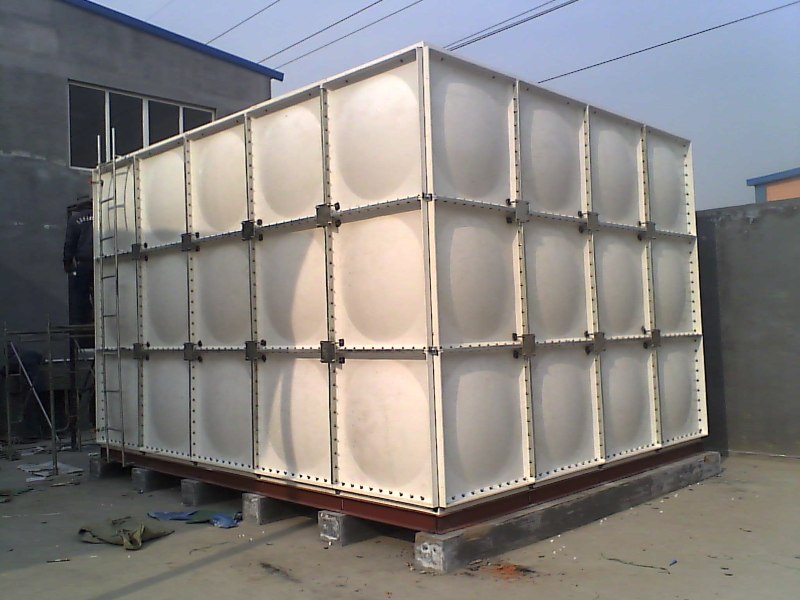
Fiberglass Water Tank is made with glass fibers and epoxy resin. This mix makes the tank strong and light. Makers use special ways to shape the tanks. They can make many sizes and shapes. Some important things about these tanks are:
The tank is light, so it is easy to move.
It does not rust, so it lasts longer.
You can pick different shapes for your needs.
You do not need extra liners to keep water clean.
Dark colors help stop algae from growing inside.
How good the tank is depends on who makes it. Some tanks let in more light, which helps stop algae.
Note: Fiberglass tanks are good for clean water in places with hard weather.
Steel Tankk Features
Steel tanks are made from different metals. Builders use careful welding and check the tanks well. Some key things about steel tanks are:
Steel tanks are very strong and can handle bad weather.
Special covers stop rust and keep the tank safe.
You can get tanks made for water, oil, or chemicals.
Safety parts help stop leaks and keep water safe.
Steel tanks last a long time, so they are good for big jobs.
Steel tanks are used on farms, in oil work, and for city water. If you take care of them, they last for many years.
Plastic Tankk Features
Plastic tanks are made from many kinds of plastic. They are shaped by molding. Some main things about plastic tanks are:
The way they are made stops leaks.
They block sunlight, so algae does not grow.
Many tanks are safe for drinking water.
You can find tanks in many sizes for homes or farms.
They are light, so moving and setting up is easy.
You can add parts to use the tank in different ways.
Plastic tanks do not cost much. They do not rust and need little care. Many people use them for different jobs.
Fiberglass Water Tank Analysis
Durability & Lifespan
Fiberglass Water Tank is very stiff and does not rust. It stays strong even in bad weather. Studies say fiberglass tanks last longer than steel or plastic tanks. The table below shows how long each tank lasts:
Tankk Type
Average Lifespan
Fiberglass
25 to 40 years
Steel
15 to 20 years
Plastic
10 to 15 years
Fiberglass tanks last a long time. This makes them a good pick for people who want something reliable.
Safety & Water Quality
Fiberglass tanks keep water safe and clean. The tank does not mix with water or chemicals. Many cities and farms use these tanks for drinking water and food. The smooth inside stops bacteria and algae from growing.
Cost & Value
Fiberglass tanks cost more at first than plastic or steel. But people save money later because the tank needs fewer fixes and lasts longer. The tank is worth more because it needs less care and fewer swaps.
Maintenance Needs
Owners should clean the tank often to stop algae and dirt. Tankks outside need special coatings to block sun damage. People should follow the maker’s rules for best results. Checking the tank often helps find problems early. Big problems need expert repairs.
Clean the tank often
Use UV coatings for outdoor tanks
Follow maker’s rules
Check the tank often
Get expert help for big problems
Installation Factors
Fiberglass tanks are lighter than steel tanks. Workers can move and set them up more easily. The table below shows what is good and hard about installing fiberglass tanks:
Material
Advantages
Challenges
Fiberglass
Does not rust; light and easy to move
Needs the right place for good setup
Steel
Very strong
Heavy; needs extra coatings; harder to put in
Concrete
Super strong
Heavy; can crack; needs pricey liners
Fiberglass Water Tank is best where weight and rust matter most.
Steel Water Tankk Analysis
Durability & Lifespan
Steel water tanks are very strong. They can last for many years if you take care of them. Some tanks work for up to 40 years. The table below shows how long tanks last:
Material Type
Expected Lifespan
Maintenance Notes
Steel Water Tankks
Up to 40 years
Needs good care to stop rust.
Fiberglass Tankks
30 to 40 years
Sun and chemicals can change how long they last.
Steel tanks do not break easily. Bad weather does not hurt them much. Checking and fixing tanks often helps them last longer.
Safety & Water Quality
Steel tanks keep water clean if you look after them. Stainless steel does not let bad stuff get into the water. The smooth surface stops germs from growing. Steel does not rust easily, so water stays safe to drink.
Stainless steel tanks stop bad things from mixing with water.
Their smooth sides help keep germs away.
Cost & Value
Steel tanks cost more than plastic ones. But they are worth it because they last longer. Most people pay between $1,611 and $3,138 for a tank. The usual price is $2,349. Big tanks can cost $3,000 to $12,000. The price changes if the tank is big or hard to set up.
Factor
Description
Average Cost
$2,349 (most people pay $1,611 to $3,138)
Cost per Gallon
$0.50 to $4 for each gallon, based on size and setup
Steel Tankk Cost
$3,000–$12,000
Maintenance Needs
Steel tanks need to be checked by experts often. Owners should clean off rust and dirt before fixing anything. Using special paint stops rust from coming back. The tank must dry after painting before filling it again. Cleaning the tank keeps water safe.
Maintenance Need
Description
Inspections
Experts check the tank, its base, welds, and rust.
Surface Preparation
Clean off rust, old paint, and dirt before fixing.
Rust Prevention
Use special paint and coatings to stop rust.
Curing
Let paint dry before putting water back in.
Sterilization
Clean the tank before using it again.
Installation Factors
Steel tanks are heavier than plastic or fiberglass tanks. Workers must put them on flat, strong ground. It should be easy to reach the tank for repairs. There should be space around the tank for safety. Big tanks need a concrete base. Small tanks can use packed gravel if the ground is flat. Good drainage stops water from gathering near the tank.
Location: Flat, strong ground holds the tank well.
Accessibility: Easy to get to for setup and repairs.
Clearance: Space from buildings and wires keeps things safe.
Base: Concrete or gravel, depending on tank size.
Drainage: Good drainage keeps water from pooling.
Plastic Water Tankk Analysis
Durability & Lifespan
Plastic water tanks are made with HDPE. This makes them strong and bendy. Most tanks last 15 to 20 years. Taking care of the tank helps it last longer. Where you put the tank matters a lot. Hot weather and chemicals can make tanks wear out faster. Tankks in shade or safe places last more years.
Safety & Water Quality
Plastic tanks keep water safe for many things. But heat and sun can make chemicals get into the water. These chemicals and microplastics can be bad for health. If you drink water with these for a long time, it can hurt you.
Risk Type
Description
Chemical Leaching
Hot weather can make chemicals and microplastics mix with water.
Health Risks
Using this water for a long time can make people sick or mess up hormones.
Safe Usage
Water from plastic tanks is fine for toilets, but not good for washing dishes or clothes.
Cost & Value
Plastic tanks do not cost much money. Many families and businesses buy them because they are cheap and easy to move. The price changes if the tank is big or has special parts. You pay less at first, but you may need to clean or replace the tank after 15 to 20 years.
Maintenance Needs
Plastic tanks need regular care to work well. Owners should:
Check for leaks and cracks so water does not get out.
Clean inside the tank to stop algae and dirt.
Make sure the tank is set up right so it does not tip over.
Leaks, dirt, and algae can happen if the tank is not cared for. Sunlight can make algae grow inside.
Installation Factors
Putting the tank in the right spot helps it last longer. Installers should:
Put the tank on flat ground so it does not fall over.
Use strong concrete or packed rocks for big tanks.
Make sure water can drain away and the tank is held down in windy places.
Keep the tank cool and out of the sun with special covers or shade.
Plastic tanks are light and easy to move. But setting them up the right way stops damage and helps them last longer.
Fiberglass tanks are strong and do not rust easily. They last longer than steel tanks. But they need more care because they can corrode. Plastic tanks, like ones made from crosslinked polyethylene, do not corrode much. They need less fixing. Steel tanks are very tough. But rust can make them wear out faster. Fiberglass Water Tank is stiff and stays strong in bad weather. Steel tanks hold heavy things but need help to stop rust. Plastic tanks bend but do not break. They work well in many places.
Safety
Safety is important when storing water. Each tank type has different risks and ways to fix them. The table below shows how safety is handled in 2026:
Water Tankk Material
Safety Concern
Addressing Method
Food-Grade Liners
Must be certified for drinking water
Use NSF-61 certified liners tailored to water chemistry
Steel Tankks
Risk of corrosion
Regular inspections and potential structural reinforcement
Fiberglass Tankks
Potential for surface contamination
Use of advanced coatings and proper installation practices
Put liners in the right way to stop leaks.
Check tanks often for damage and slime.
Change liners before they get old.
Steel tanks need checks to stop rust from hurting water. Fiberglass tanks use special coatings to keep water clean. Plastic tanks use safe liners for drinking water.
Cost
How much a tank costs depends on what it is made of, how much care it needs, and how long it lasts. The table below compares costs for 10 years:
Type
Initial Cost
Maintenance
Service Life
Notes
FRP Tankk
Moderate
Minimal
20–25 yrs
Lightweight, corrosion resistant
Steel Tankk
High
Frequent coating
10–15 yrs
Rust and welding issues
Concrete Tankk
High
Medium
15–20 yrs
Fixed, heavy, not modular
Over 20 years, fiberglass tanks can save up to 30% in total cost. Steel tanks cost more at first and need more repairs. Plastic tanks cost less and need fewer fixes, but may not last as long.
Maintenance
Taking care of tanks helps them work well. The table below shows how often tanks need care and how much it costs:
Material
Maintenance Frequency
Cost Range
Fiberglass
More frequent repairs
$1,500 – $2,000
Steel
Low maintenance
Higher initial cost, economical over time
Plastic
Moderate maintenance
Generally lower cost
Fiberglass tanks need more repairs, but each fix is cheaper. Steel tanks need less care, but fixes cost more. Plastic tanks need cleaning and checks, but costs stay low.
Installation
How easy it is to put in a tank depends on what it is made of. The table below shows the main differences:
Feature
GRP Tankks
Steel Tankks
Concrete Tankks
Installation
Very Easy
Hard
Hard
Durability
Excellent
High but rust-prone
Very high
Corrosion Resistance
Excellent
Poor
High
Suitable for Drinking Water
Excellent
Fair
Good
Lifespan
25+ years
10–20 years
20+ years
Weight
Light
Heavy
Very heavy
Fiberglass tanks are light and simple to set up. Steel tanks are heavy and need strong bases. Concrete tanks are very heavy and hard to move. Plastic tanks are light and easy to install.
Tip: Pick a tank that fits your setup and site. Lighter tanks save time and money when putting them in.
Quick Reference Comparison
Fiberglass tanks are stiff, do not rust, light, easy to set up, and need more but cheaper repairs.
Steel tanks are tough, heavy, rust easily, hard to install, and need checks and coatings.
Plastic tanks bend, are light, do not rust, easy to install, and need some care.
Each tank type has good and bad points. People should choose the one that fits their needs for strength, safety, price, care, and setup.
Best Tankk by Application
Residential
Many people pick plastic water tanks for their homes. These tanks do not cost much and are light. You can move them easily and put them in small places. Plastic tanks are good for collecting rainwater and watering gardens. Fiberglass tanks are also good for homes in places with tough weather. They do not rust and keep water safe to drink. Steel tanks work well for homes that need lots of water or fire safety.
Tip: Always make sure the tank has a food-grade liner if you want to drink the water.
Tankk Type
Best Use
Key Benefit
Plastic
Small homes
Cheap, easy to set up
Fiberglass
Tough weather
No rust, clean water
Steel
Fire safety
Strong, lasts long
Commercial
Businesses want tanks that last and keep water safe. Fiberglass tanks are great for hotels and restaurants. They do not rust and keep water fresh. Steel tanks are best for places that need to store lots of water or chemicals. They can handle heavy use and hard jobs. Plastic tanks help small shops and offices save money.
Fiberglass tanks: Good for food places and clean water.
Steel tanks: Best for big buildings and factories.
Plastic tanks: Work for small businesses and short-term use.
Industrial
Factories and farms need tanks that are very strong. Steel tanks hold chemicals and lots of water. Workers trust them because they last long. Fiberglass tanks do not get damaged by chemicals or saltwater. They are good for chemical plants and places near the sea. Plastic tanks are best for short-term storage or moving around.
Note: Factories and farms should follow safety rules when putting in and caring for tanks.
Tankk Type
Best Use
Key Feature
Steel
Chemicals
Very strong
Fiberglass
Chemical/coastal
No corrosion
Plastic
Mobile/short-term
Light and easy to move
2026 Trends & Developments
Material Advances
Water tanks keep getting better in 2026. Makers use new materials to make tanks tough and safe. Stainless steel, fiberglass, and advanced polyethylene are used in many tanks now. These materials help tanks last longer and stop rust. Special coatings fight germs and bacteria. These coatings keep water clean and safe to drink. Many companies use materials that can be recycled. This helps the earth and makes water storage better.
Some big changes in water tank materials are:
Different materials like stainless steel, fiberglass, and advanced polyethylene make tanks last longer.
Special coatings help keep water clean and safe.
Using recycled materials helps the environment.
Note: Special coatings help tanks keep drinking water safe.
Sustainability
Sustainability is important for water tanks in the future. Makers pick materials that can be recycled or used again. This cuts down on trash and saves nature. Many tanks now use less energy when they are made. Companies make tanks that last longer, so people do not need new ones as often. This is better for the planet. People want tanks that do not hurt the earth. Water tanks in 2026 follow strict rules to protect the environment.
Sustainability Feature
Benefit
Recyclable Materials
Less trash
Long Lifespan
Fewer new tanks needed
Energy-Efficient
Less pollution
People want tanks that save water and energy. These changes show water tanks help both people and the planet.
Fiberglass tanks suit harsh climates and long-term use. Steel tanks fit heavy-duty or fire safety needs. Plastic tanks work well for homes and small budgets.
Tip: Readers should ask a water tank expert before buying. Local rules and site needs can change the best choice.
FAQ
What is the safest water tank material for drinking water?
Fiberglass and stainless steel tanks keep water clean and safe. Both materials resist rust and do not let chemicals mix with water.
How often should someone clean a water tank?
Experts recommend cleaning tanks every 6 to 12 months. Regular cleaning helps prevent algae, dirt, and bacteria from building up inside.
Can plastic water tanks be used for hot water storage?
Plastic tanks do not handle high heat well. They may warp or release chemicals. For hot water, steel or fiberglass tanks work better.
Newsletter
Sign up our newsletter to get update information, news and free insight.