Table of Contents
Introduction
In the industrial and commercial water storage market, enamel water tanks have become a top choice for their outstanding durability, corrosion resistance, and hygienic performance. As industries shift toward sustainable and long-lasting infrastructure, the demand for enamel-coated steel tanks is rapidly increasing. According to the 2024 Global Water Infrastructure Report, enamel water tanks account for over 35% of new industrial tank installations worldwide, reflecting a strong preference for reliable, eco-friendly materials.
This article explores the science, benefits, and applications of enamel water tanks and why they are increasingly favored in sectors requiring both strength and sanitation.

What Is an Enamel Water Tank?
An enamel water tank, also known as a glass-fused-to-steel tank, is a storage system that combines the strength of steel with the protective benefits of a glass-like enamel coating. The enamel layer is fused to the steel surface at high temperatures, typically around 850°C, creating a smooth, non-porous, and chemically inert surface. This fusion process gives the tank exceptional corrosion resistance and a long operational lifespan, even under harsh environmental conditions. Unlike painted or galvanized tanks, the enamel surface does not peel, flake, or rust, ensuring stable performance over decades.
Manufacturing Process and Material Science
The production of enamel water tanks is a technologically advanced process involving multiple precision stages:
- Steel Sheet Preparation: High-grade carbon steel sheets are cut, formed, and treated to remove oxides and impurities.
- Enamel Coating Application: A specially formulated glass powder (containing silica, boron, and alkaline oxides) is evenly sprayed on both sides of the steel.
- High-Temperature Fusion: The coated steel panels are baked in a furnace at around 850°C. During this process, the glass particles melt and chemically bond to the steel surface.
- Quality Testing: Each panel undergoes tests for adhesion strength, porosity, and coating thickness to ensure consistent quality.
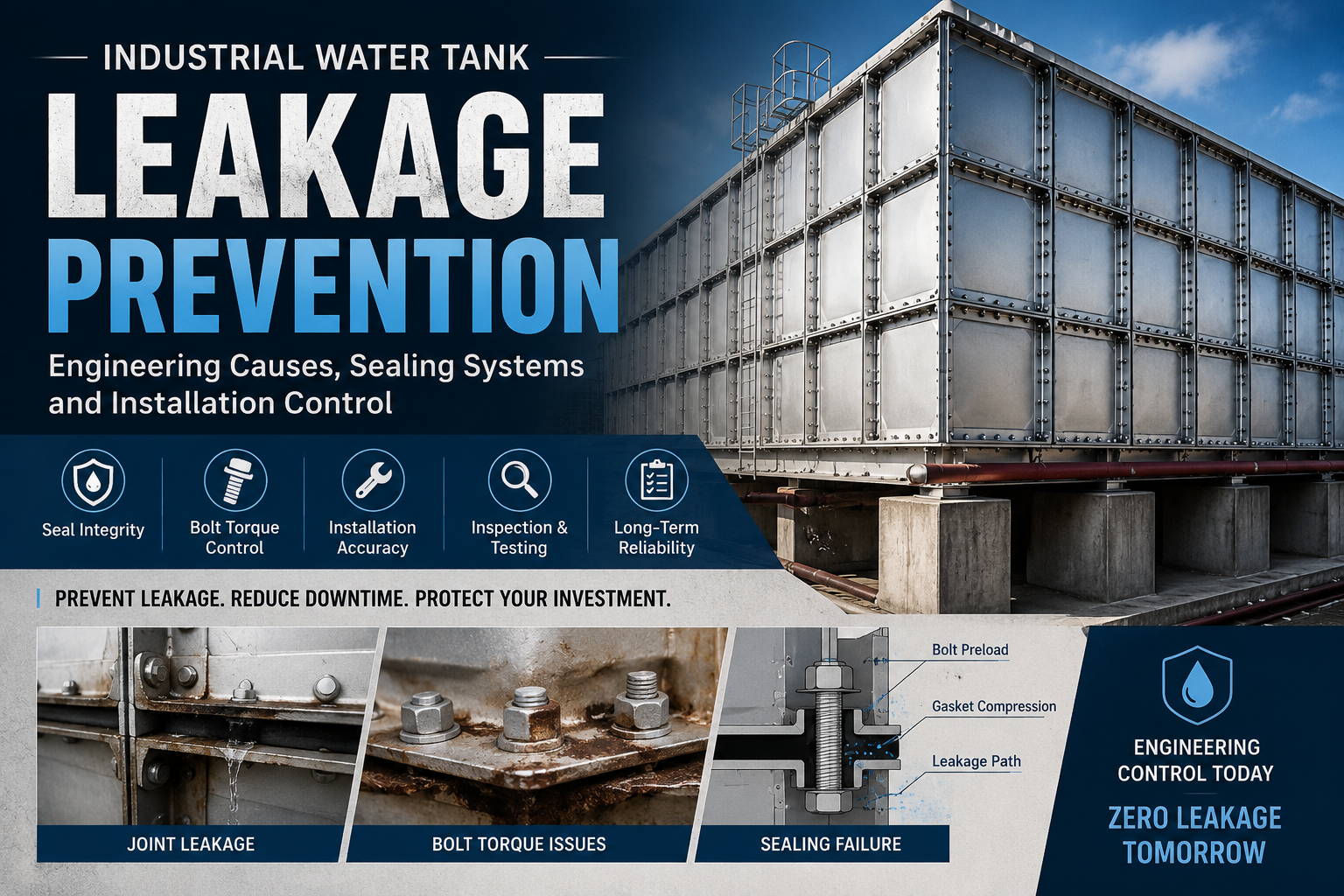
- Assembly: Panels are bolted together on-site with special sealants to form tanks of various capacities.
This combination of metallurgy and ceramic science makes enamel tanks both structurally strong and chemically stable.
Key Advantages of Enamel Water Tanks
1. Superior Corrosion Resistance
The fused enamel coating creates a glassy surface that is resistant to rust, acids, and alkalis. It performs exceptionally well in environments with aggressive water chemistry, such as desalination plants or wastewater treatment systems.
2. Hygienic and Easy to Clean
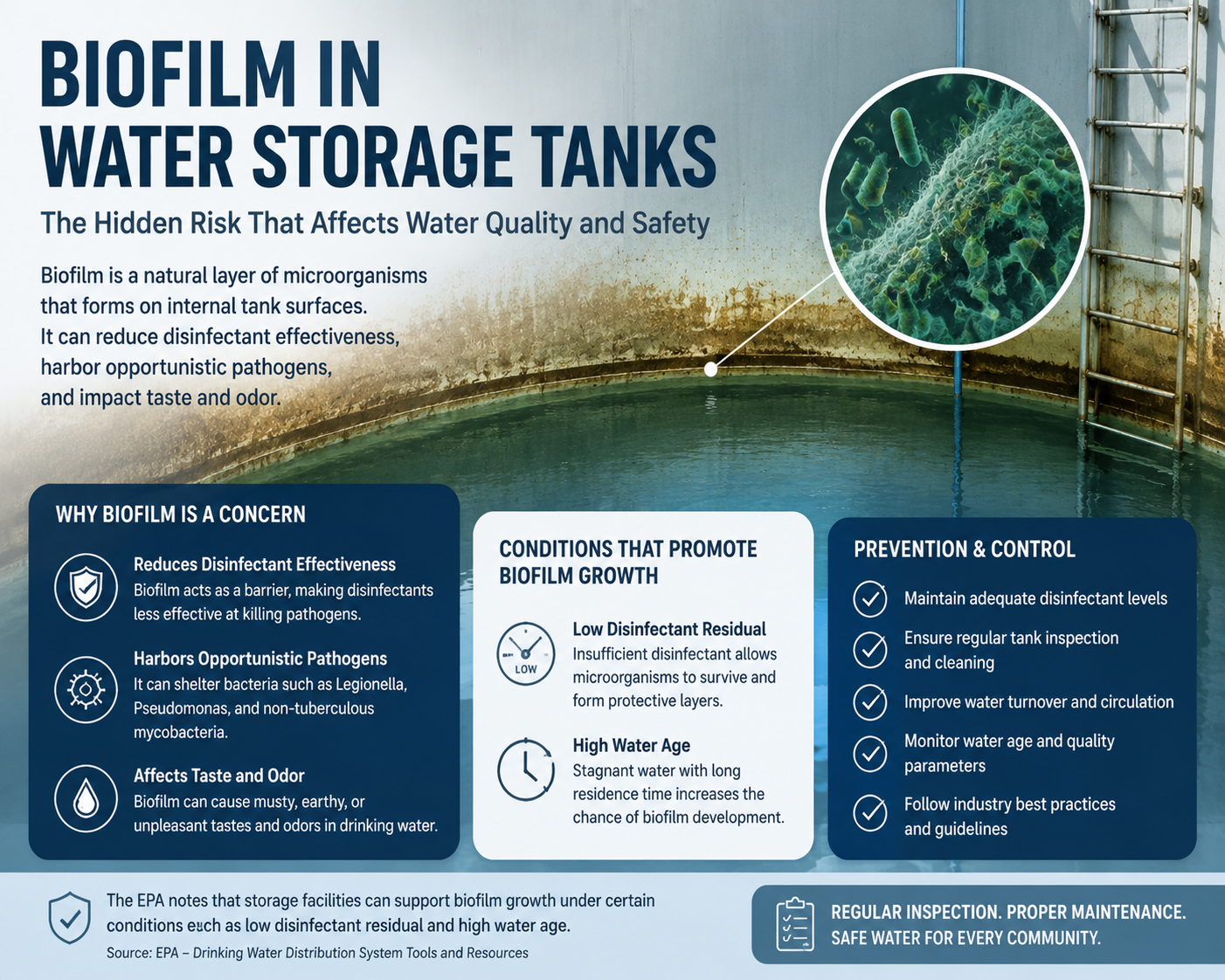
The non-porous surface prevents bacteria and algae growth, ensuring water purity. Unlike concrete or plastic tanks, enamel tanks do not absorb contaminants or release microplastics into the water. They are certified safe for potable water storage under NSF/ANSI 61 standards.
3. Long Service Life
Properly installed enamel tanks can last over 30 years with minimal maintenance. The glass-fused coating does not deteriorate under UV light, temperature variations, or chemical exposure, significantly extending the tank’s lifecycle.
4. Environmental Sustainability
Enamel tanks are 100% recyclable and require fewer repairs over their lifespan. They are manufactured using eco-friendly materials and processes, aligning with global carbon reduction goals.
5. Cost-Effective Performance
While the initial investment may be higher than some alternatives, the lower maintenance, extended lifespan, and reduced downtime result in a lower total cost of ownership (TCO).
Applications Across Industries
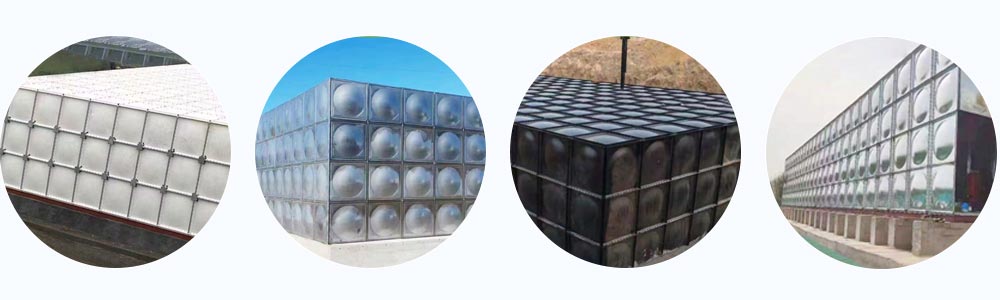
Enamel water tanks are versatile and suitable for a wide range of applications, including:
- Municipal water storage for urban supply networks
- Industrial process water in chemical, power, and manufacturing plants
- Agricultural irrigation systems and livestock water storage
- Rainwater harvesting in commercial and residential complexes
- Wastewater treatment plants requiring chemical resistance and easy cleaning
Their adaptability and modular construction make them ideal for both new projects and retrofits.
Comparison with Other Tank Types
| Feature / Tank Type | Enamel Water Tank | Stainless Steel Tank | Fiberglass (FRP) Tank | Carbon Steel Tank |
|---|---|---|---|---|
| Corrosion Resistance | Excellent | Very Good | Moderate | Poor |
| Hygiene Level | Excellent | Excellent | Moderate | Poor |
| Maintenance Needs | Low | Medium | Low | High |
| Service Life | 30+ years | 25+ years | 20 years | 10–15 years |
| Cost Efficiency | High (long-term) | Medium | High | Low (short-term) |
| Ideal Applications | Potable, Industrial, Municipal | Food, Pharma | Chemical, Light Industry | Non-critical storage |
This comparison clearly shows why enamel tanks are the preferred choice for facilities prioritizing hygiene, durability, and sustainability.
Quality Standards and Certifications
Reputable enamel water tank manufacturers comply with multiple international standards, including:
- NSF/ANSI 61 – for potable water safety
- ISO 28765 – for design and manufacture of glass-fused-to-steel tanks
- AWWA D103 – for bolted steel tanks
- WRAS Approval – for water system components used in public water supply
Meeting these standards guarantees structural integrity, chemical safety, and long-term reliability.
Case Study: Energy Plant Installation in Southeast Asia
A large-scale energy facility in Southeast Asia faced corrosion issues with their carbon steel tanks due to humid, saline conditions. In 2022, the plant replaced them with enamel-coated steel tanks of 5,000 m³ capacity. After two years of operation, the tanks showed zero corrosion and required no repainting or internal coating maintenance. The project’s success reduced downtime by 25% and saved approximately USD 80,000 annually in maintenance costs, demonstrating the durability and cost efficiency of enamel water tank technology.
Conclusion
Enamel water tanks represent a breakthrough in industrial and municipal water storage technology. Their unique fusion of steel strength and enamel protection ensures outstanding performance in even the harshest environments.
They provide a hygienic, corrosion-resistant, and environmentally sustainable solution for long-term water management. As industries worldwide prioritize durability and safety, enamel water tanks are set to become the new standard in efficient water storage systems.
FAQ
How long can an enamel water tank last?
With proper installation and maintenance, enamel tanks can last more than 30 years.
Are enamel water tanks suitable for drinking water?
Yes. They meet NSF/ANSI 61 standards for potable water storage and are hygienic and non-toxic.
Can enamel tanks be repaired if damaged?
Minor surface damage can be repaired with specialized enamel repair kits, but severe mechanical damage may require panel replacement.
Do enamel tanks require regular maintenance?
They require minimal maintenance—mainly periodic inspections and cleaning to ensure seal integrity and coating protection.
How do enamel tanks perform in extreme environments?
They maintain stability across temperature ranges from -60°C to +100°C and resist corrosion even in saline or acidic environments.