Table of Contents
Introduction
Enamel water tanks have become one of the most established and trusted solutions for long-term water storage in industrial, municipal, and commercial projects. By combining the structural strength of steel with a glass-like enamel coating, these tanks provide exceptional corrosion resistance, hygienic performance, and durability under demanding operating conditions.
As global standards for water quality, infrastructure longevity, and environmental responsibility continue to rise, enamel water tanks are increasingly selected for applications where reliability and sanitation are critical. This article offers a comprehensive overview of enamel water tanks, covering their working principles, structural design, materials, installation requirements, applications, and long-term operation.
What Are Enamel Water Tanks
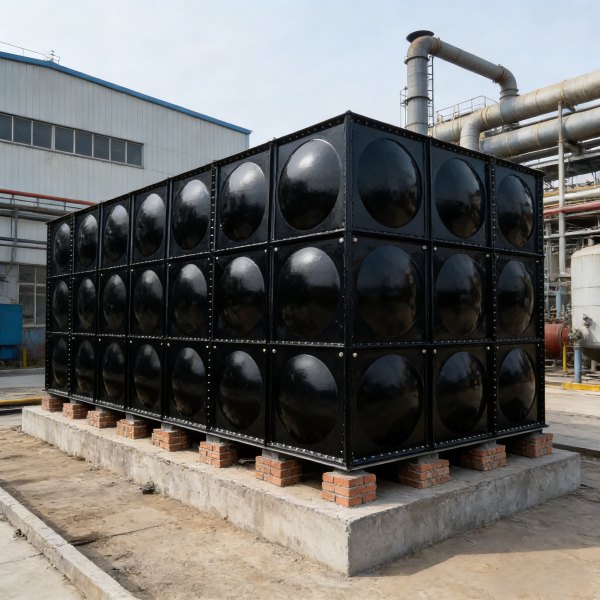
Enamel water tanks, also known as glass-fused-to-steel tanks, are manufactured by fusing a specially formulated enamel coating onto steel panels at high temperatures. This process creates a chemically bonded surface that combines the flexibility and strength of steel with the corrosion resistance and smoothness of glass.
Unlike traditional painted steel tanks, enamel-coated surfaces do not peel or crack under normal operating conditions. These tanks are typically assembled using modular panels and installed with water tank bases and support rods to ensure structural stability and resistance to hydrostatic pressure.
How Enamel Coating Works
Glass-Fused-to-Steel Technology
During production, enamel powder is applied to steel panels and fused at temperatures exceeding 800°C. This creates a uniform, inert surface that resists corrosion and chemical reactions.
Corrosion and Chemical Resistance
The glass-like enamel layer isolates steel from water and aggressive substances, making enamel tanks suitable for potable water, wastewater, and industrial process water storage.
Surface Hygiene Performance
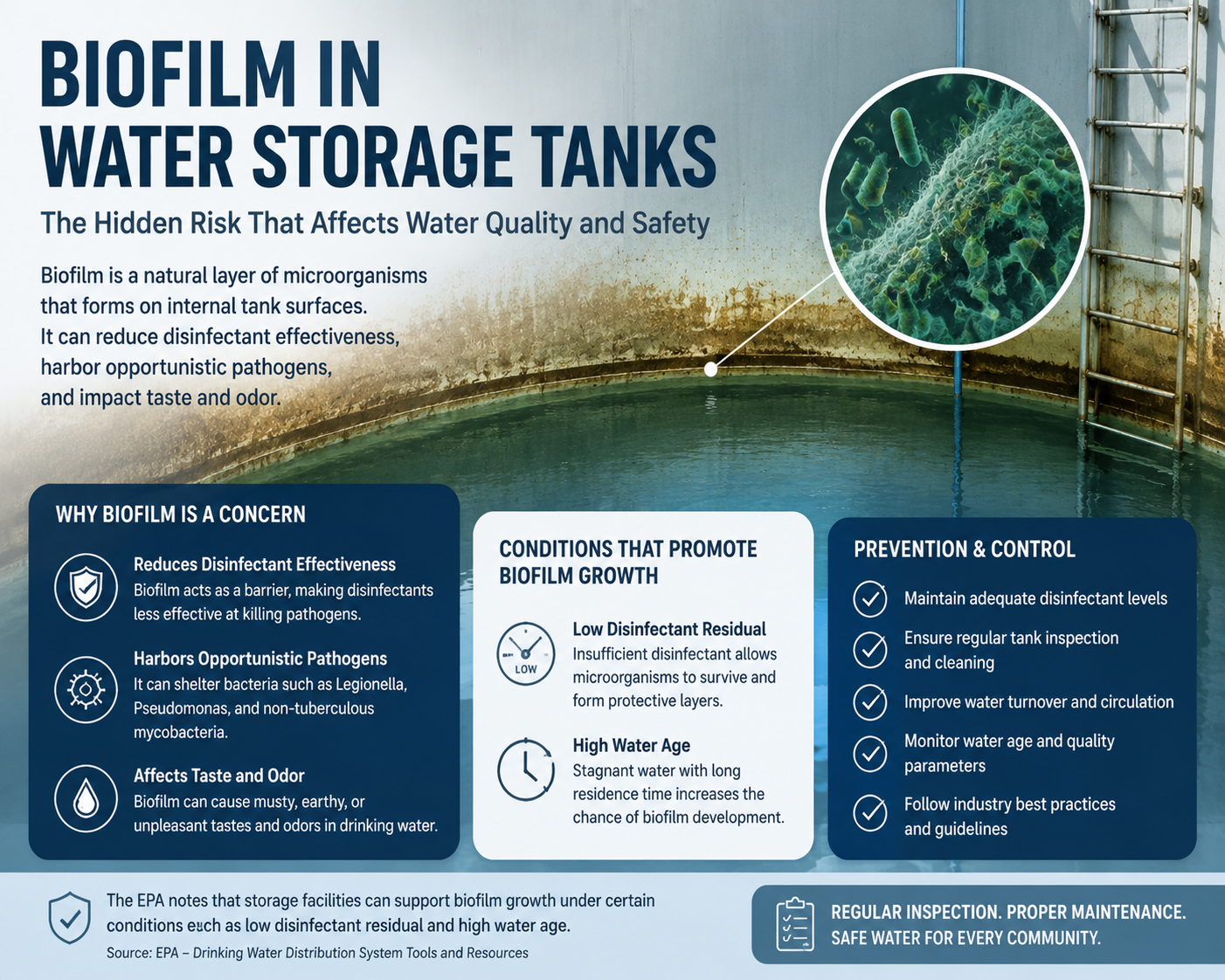
The smooth, non-porous surface prevents bacterial growth and biofilm formation, supporting high hygiene standards in drinking water systems.
Structural Design of Enamel Water Tanks
Modular Panel Construction
Enamel water tanks are typically constructed from standardized panels, allowing flexible capacity design and efficient transportation. Modular construction also simplifies future expansion.
Water Tank Bases and Support Rods
A properly engineered base distributes the full load of the tank evenly, while internal or external support rods counteract hydrostatic pressure. These elements are essential for maintaining long-term structural integrity.
Resistance to Environmental Loads
Enamel tanks are designed to withstand wind loads, seismic activity, and temperature variations, making them suitable for diverse geographic conditions.
Materials and Manufacturing Standards
Steel Substrate Selection
High-quality low-carbon steel is used to ensure strength, flexibility, and compatibility with the enamel coating.
Quality Control During Production
Manufacturing includes coating thickness inspection, adhesion testing, and surface integrity checks to ensure consistent performance.
Compliance with International Standards
Enamel water tanks are typically designed and manufactured in accordance with recognized water storage and hygiene standards.
Installation Process Overview
Foundation Preparation
A stable, level foundation is critical for enamel tanks. Reinforced concrete bases or prefabricated base systems are commonly used to prevent settlement and uneven stress.
Panel Assembly and Sealing
Panels are bolted together using high-strength fasteners and sealed with specialized gaskets to ensure water tightness and long-term reliability.
Integration with Piping and Accessories
Inlet, outlet, overflow, and access systems are installed and tested to ensure safe operation and easy maintenance.
Commissioning and Inspection
Before commissioning, tanks are inspected for alignment, sealing performance, and overall structural stability.

Applications of Enamel Water Tanks
Potable Water Storage
Enamel water tanks are widely used in municipal drinking water systems due to their hygienic surfaces and corrosion resistance.
Wastewater and Effluent Storage
Their chemical resistance makes them suitable for wastewater treatment plants and effluent storage applications.
Fire Protection Systems
Large-capacity enamel tanks provide reliable fire water storage with minimal maintenance requirements.
Industrial and Process Water
Manufacturing and processing facilities use enamel tanks to store cooling water, utility water, and treated process water.
Operation and Maintenance
Routine Inspection
Regular inspections focus on panel connections, gaskets, support rods, and the stability of the base.
Cleaning and Hygiene Management
For potable water applications, periodic cleaning helps maintain water quality, although enamel surfaces require less effort than many alternative materials.
Long-Term Performance Monitoring
Monitoring structural components and operating conditions ensures consistent performance over decades of service.
Comparison with Other Water Tank Types
Enamel vs Stainless Steel Water Tanks
Stainless steel tanks offer excellent hygiene and corrosion resistance, while enamel tanks provide comparable performance with the added benefits of modular flexibility and proven long-term durability.
Enamel vs Galvanized Water Tanks
Enamel tanks outperform galvanized tanks in corrosion resistance and hygiene, particularly for potable water storage.
Enamel vs Fiberglass Water Tanks
Fiberglass tanks are lightweight and corrosion-resistant, while enamel tanks offer higher structural strength and suitability for large-capacity installations.
Table: Enamel Water Tanks Compared with Other Materials
| Tank Type | Corrosion Resistance | Hygiene Performance | Structural Strength | Typical Applications |
|---|---|---|---|---|
| Enamel-Coated Steel | Very High | Very High | High | Potable, municipal, industrial |
| Stainless Steel | Very High | Very High | High | Potable, chemical |
| Galvanized Steel | Medium to High | Medium | High | Industrial, fire |
| Fiberglass | Very High | High | Medium | Irrigation, chemical |
| Reinforced Concrete | Medium | Medium | Very High | Large municipal |
Environmental and Regulatory Considerations
Environmental Sustainability
Enamel water tanks have long service lives, reducing material replacement and environmental impact. Steel components are recyclable at the end of service life.
Regulatory Compliance
Design and installation must comply with local water storage, hygiene, and safety regulations, especially for drinking water systems.
Conclusion
Enamel water tanks offer a reliable, hygienic, and durable solution for long-term water storage across municipal, industrial, and fire protection applications. Their glass-fused-to-steel technology, combined with modular construction and engineered bases and support rods, ensures stable performance and extended service life. For projects that demand both structural strength and high water quality standards, enamel water tanks remain a proven choice.
FAQ
What makes enamel water tanks different from painted steel tanks?
Enamel coatings are fused to steel at high temperatures, creating a chemically bonded surface that does not peel or crack like paint.
Are enamel water tanks suitable for drinking water?
Yes, their smooth and non-reactive surfaces make them ideal for potable water storage.
Do enamel water tanks require support rods?
Yes, especially for large-capacity tanks, support rods help resist internal water pressure and maintain structural integrity.
How long can enamel water tanks last?
With proper installation and maintenance, enamel water tanks can operate reliably for several decades.
Can enamel water tanks be used for wastewater storage?
Yes, their corrosion and chemical resistance make them suitable for wastewater and effluent applications.
Looking for a Reliable Enamel Water Tank Solution?
If you are planning a municipal, industrial, or fire protection water storage project, our experts can help you design and implement the right enamel water tank system. Contact us today for professional guidance and long-term water storage reliability.