Table of Contents
Introduction
Enamel water tanks, also called glass-fused-to-steel (GFS) tanks, combine steel strength with a protective enamel coating for long-lasting, corrosion-resistant water storage. They are widely used in industrial, municipal, and agricultural applications, from drinking water and wastewater treatment to fire protection and irrigation.
With rising hygiene standards and demand for durable infrastructure, enamel tanks have become a reliable and efficient solution for any facility seeking safe, high-quality water storage. This article explores their advantages, applications, and why they outperform many traditional tank options.
What Are Enamel Water Tanks?
Enamel water tanks are manufactured by fusing high-quality enamel coating onto anti-corrosion steel plates at temperatures commonly between 850°C and 900°C. This high-temperature fusion creates a strong mechanical and chemical bond, producing a glossy, ceramic-like coating permanently attached to the steel surface. The enamel coating is engineered to protect the steel from corrosion, abrasion, mineral attack, and chemical erosion, making the tank ideal for long-term use under demanding conditions.
The fusion process typically involves:
- Pretreatment of steel plates:to remove impurities, improve adhesion, and ensure consistency
- Spraying multiple enamel layers:each layer designed for protective enhancement
- High-temperature firing:fusing the enamel coating to steel
- Precision quality testing:including porosity checks, thickness measurement, impact resistance tests, and spark testing
The result is a dual-strength tank wall structure: steel provides the mechanical support, while enamel provides long-lasting chemical protection.
How Enamel Coating Enhances Tank Performance
The performance of enamel water tanks is fundamentally determined by the properties of their fused coating. When enamel is heated to its melting point and bonded to steel, the resulting surface is extremely hard, chemically stable, and resistant to external damage. Key performance characteristics include:
High Chemical Resistance
The enamel coating is highly resistant to liquid with varying pH levels, including slightly acidic or alkaline water, making it suitable for wastewater, industrial effluent, and process chemicals.
Non-Porous and Hygienic Surface
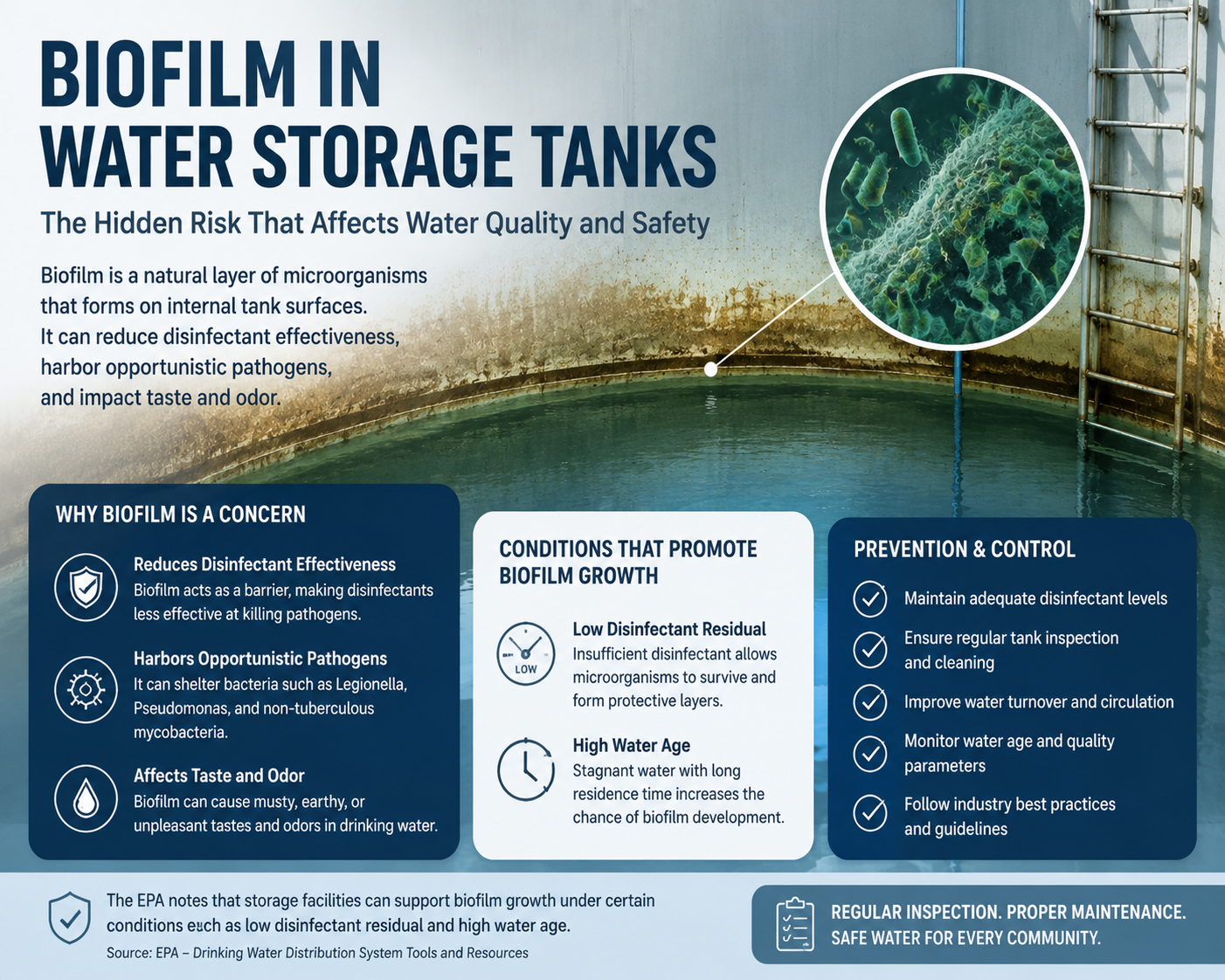
A unique advantage of enamel is its smooth, glossy finish, which prevents sediment buildup, bacterial growth, and microcrack contamination. This is why enamel tanks are often used in potable water and food-grade environments.
UV and Temperature Stability
Enamel maintains structural integrity under extreme weather conditions, including strong sunlight exposure and large temperature fluctuations. It is especially suitable for areas with harsh environmental conditions.
Mechanical Protection
Although enamel is a fused coating, modern formulations combine flexibility and hardness, allowing the surface to withstand moderate impacts, thermal expansion, and structural movement without cracking.
These properties combined give enamel tanks their reputation as one of the longest-lasting engineered water storage systems in the industry.

Key Benefits of Enamel Water Tanks
Enamel water tanks provide a balanced mix of structural strength, hygiene performance, and installation flexibility. Below is an expanded overview of the benefits:
1. Superior Corrosion Resistance
Unlike galvanized coatings that may degrade after years of exposure, enamel coatings remain stable and non-reactive over long periods. This allows the tank to resist corrosion even in high-chloride or chemically aggressive environments.
2. Extremely Hygienic
The absence of microscopic pores ensures that contaminants cannot enter or accumulate on the surface. This is critical for industries requiring strict sanitation control, such as food processing, beverages, pharmaceuticals, and drinking water management.
3. Long-Term Service Life
Many enamel tanks continue functioning effectively for several decades with minimal repair needs. A typical service life ranges between 25 to 35 years but can extend further with proper maintenance.
4. Modular Structure for Quick Installation
Enamel water tanks use bolted panel construction, allowing fast on-site assembly without large welding equipment. This modularity is beneficial for remote, high-altitude, or space-limited installations.
5. Excellent Environmental Adaptability
The enamel layer does not degrade when exposed to chemicals, moisture, sunlight, salt spray, or soil contact. This makes the tanks suitable for coastal regions, deserts, industrial areas, and cold climates.
6. Recyclable and Environmentally Responsible
Steel plates can be recycled, and the enamel manufacturing process involves minimal chemical waste. The long service life further supports sustainability goals.
7. Cost-Effective Operation
Even though enamel tanks are generally more durable than galvanized tanks, their low maintenance and long lifespan significantly reduce long-term operational costs.
These combined benefits make enamel water tanks a preferred solution for large-scale industrial and municipal water projects.
Common Applications of Enamel Water Tanks
Enamel tanks are widely used across industries due to their durability and hygienic properties. Key application sectors include:
Potable Water Storage
Municipal water utilities and residential communities rely on enamel tanks to store large volumes of drinking water, maintaining purity and preventing contamination.
Wastewater Treatment
Wastewater often contains corrosive substances that damage traditional steel tanks. The enamel coating acts as a protective shield against chemical erosion.
Fire Protection Systems
Enamel tanks are used in fire sprinkler systems, industrial fire protection reservoirs, and emergency water supply tanks due to their long-term reliability.
Industrial Process Water
Factories often require stable, controlled water storage for manufacturing processes involving heat, chemicals, or continuous flow.
Agriculture and Irrigation
Farmers use enamel tanks for irrigation water, livestock feeding water, and integrated agricultural water systems.
Mining and Energy
Industries that operate in challenging terrains and climates—such as mining, oil, and energy—benefit from enamel tanks’ durability and environmental resistance.
Rainwater Harvesting
The smooth interior minimizes sediment accumulation, making them ideal for rainwater collection and reuse systems.
Comparison Between Enamel Water Tanks and Other Tank Materials
Table: Comparison of Water Tank Materials
| Tank Type | Corrosion Resistance | Hygiene Level | Installation Speed | Service Life | Maintenance |
|---|---|---|---|---|---|
| Enamel Water Tank | Excellent | Excellent | Fast | 25–35 years | Low |
| Stainless Steel Tank | Very Good | Excellent | Moderate | 20–40 years | Moderate |
| Galvanized Steel Tank | Good | Good | Fast | 10–20 years | Moderate |
| Fiberglass Tank | Good | Good | Fast | 15–25 years | Low |
| Concrete Tank | Moderate | Moderate | Slow | 20–30 years | High |
This table illustrates the balance of performance and practicality enamel tanks offer, especially in long-term maintenance and corrosion resistance.
Installation and Maintenance Requirements
Enamel tanks are known for their low maintenance, but a well-designed operation plan further maximizes their service life. Recommended maintenance practices include:
- Periodic cleaning of the interior surface to remove sediment
- Routine inspection of gaskets, bolts, and roof structure
- Checking for any impact or abrasion on the enamel surface
- Ensuring proper water quality monitoring
- Inspecting foundation settlement or tank alignment
- Maintaining ventilation and overflow systems
With regular inspection, enamel tanks consistently deliver decades of efficient operation.
Factors to Consider When Choosing an Enamel Water Tank
To select the right enamel water tank for your project, consider:
- Required storage capacity
- Purpose of water usage
- Chemical composition of stored liquid
- Climate and environmental conditions
- Regulatory compliance and certification needs
- Foundation type and soil capacity
- Potential future expansion requirements
- Cost of installation and long-term operation
- Availability of local service support
A professional assessment ensures the chosen tank meets both current and future needs.
Conclusion
Enamel water tanks stand out as an engineered solution offering durability, safety, hygiene, and long-term reliability. Their corrosion-resistant enamel coating, modular installation structure, and wide adaptability across industries make them one of the most efficient storage systems available. Whether used for drinking water, industrial operations, or municipal infrastructure, enamel tanks offer significant, measurable long-term value.
FAQ
Are enamel water tanks suitable for drinking water?
Yes, the non-porous enamel coating ensures safe, sanitary storage for potable water.
How long can enamel water tanks last?
With proper maintenance, many tanks operate efficiently for 25–35 years or more.
Can enamel water tanks resist chemicals?
Yes, enamel has strong resistance to alkaline and mildly acidic liquids, making it ideal for industrial effluent.
Do enamel tanks require complex maintenance?
No, they require minimal maintenance compared with concrete or galvanized tanks.
Are enamel tanks suitable for cold or hot climates?
Yes, the enamel surface withstands temperature extremes and UV exposure without degradation.
Need Help Selecting the Right Enamel Water Tank?
If you’re unsure which enamel, stainless steel, galvanized, fiberglass, or underground tank best fits your application, our technical team is ready to assist. Contact us today for a professional consultation to ensure your water storage system is durable, efficient, and compliant with industry standards. Don’t wait—reach out now and secure a reliable solution for your project or facility!