Table of Contents
Introduction
Enamel water tanks, also known as glass-fused-to-steel (GFS) tanks, have become a leading choice for industrial, municipal, and agricultural water storage. By combining steel strength with a ceramic-like protective coating, enamel tanks deliver durability, corrosion resistance, and hygiene that traditional metal tanks cannot always match.
This article examines the design, material advantages, typical applications, maintenance considerations, and the reasons why enamel water tanks are increasingly preferred in modern water infrastructure projects.

What Are Enamel Water Tanks
Enamel water tanks are manufactured by fusing powdered glass onto steel surfaces at high temperatures. This process creates a hard, smooth, and inert coating that prevents corrosion and ensures hygienic storage conditions.
The resulting tanks are resistant to chemicals, UV exposure, and extreme weather, making them suitable for both above-ground and partially buried installations. The seamless coating reduces the risk of contamination and supports long-term water quality.
Material Advantages
Corrosion Resistance
The enamel coating protects steel from oxidation and chemical attack. This feature is particularly valuable in industrial applications where water may contain additives or be exposed to fluctuating pH levels.
Hygiene and Water Safety
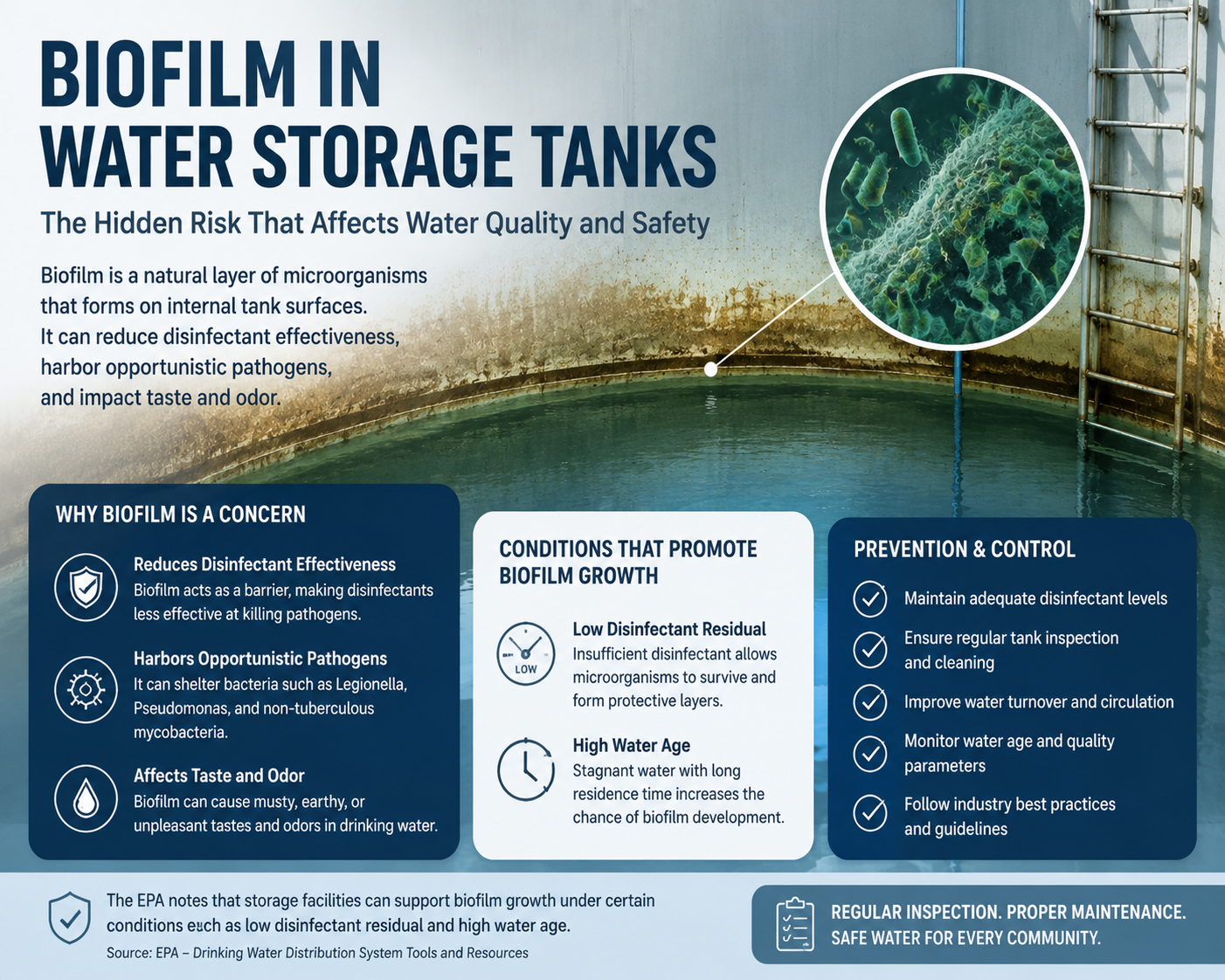
The smooth, non-porous surface of enamel tanks inhibits bacterial growth and sediment accumulation. These tanks comply with potable water regulations in many regions and are widely used in drinking water systems.
Durability and Longevity
Enamel water tanks combine the structural strength of steel with the protective qualities of ceramic. With proper installation, they can last 30–50 years, offering reliable, long-term storage.
Construction and Engineering Considerations
Enamel water tanks are typically prefabricated in panels and assembled on-site. Critical engineering considerations include:
- Tank size and capacity to match water demand
- Reinforced steel frames to withstand internal pressure
- Seamless joints to prevent leakage
- Access ports, hatches, and overflow systems for maintenance
Quality manufacturing and installation are essential to ensure tank performance and longevity.
Installation and Site Requirements
Enamel water tanks can be installed above ground, on elevated platforms, or partially buried. Key steps include:
- Preparing a stable, level foundation
- Assembling prefabricated panels carefully to avoid damage
- Sealing and testing joints and fittings
- Connecting inlet, outlet, and overflow piping
- Conducting final inspection and commissioning
Proper site preparation prevents structural stress and ensures water quality.
Typical Applications
Municipal Water Storage
Enamel tanks store treated drinking water safely while protecting against contamination and corrosion.
Industrial and Process Water
Industries use enamel tanks for chemical-resistant, hygienic storage of process water, cooling water, or effluent.
Agricultural Use
Enamel tanks are suitable for irrigation water storage, fertilizer-mixed water, and livestock water supply, due to their corrosion resistance and hygiene.
Fire Protection
Enamel water tanks provide reliable storage for fire suppression systems, maintaining water availability and structural integrity.
Maintenance and Longevity
Routine maintenance focuses on inspection of joints, fittings, and access hatches. The enamel coating requires minimal upkeep since it resists corrosion and microbial growth. Proper maintenance ensures the tank retains full performance for decades.
Environmental and Sustainability Considerations
Enamel water tanks support sustainable water infrastructure by reducing the need for frequent replacement and minimizing maintenance resources. Their long lifespan and hygienic performance contribute to the efficient operation of water management systems.
Table: Key Features of Enamel Water Tanks
| Feature | Enamel Water Tanks |
|---|---|
| Material Type | Glass-fused-to-steel |
| Corrosion Resistance | Excellent |
| Hygiene | High, suitable for potable water |
| Durability | 30–50 years |
| Installation Flexibility | Above ground, elevated, or partially buried |
| Maintenance Needs | Low |
| Suitable Applications | Municipal, industrial, agricultural, fire protection |
Comparison With Other Tank Types
Compared with stainless steel or fiberglass tanks, enamel water tanks offer superior chemical resistance and hygienic properties. While stainless steel provides corrosion resistance, enamel tanks often deliver more cost-effective durability in large-capacity applications.
Conclusion
Enamel water tanks combine strength, hygiene, and long-term reliability, making them ideal for a wide range of water storage applications. Whether for municipal water systems, industrial process water, agriculture, or fire protection, enamel tanks provide a safe and durable solution.
FAQ
What are enamel water tanks made of?
They are made by fusing powdered glass onto steel surfaces, creating a hard, corrosion-resistant coating.
Are enamel water tanks suitable for drinking water?
Yes, the smooth enamel surface prevents bacterial growth and complies with potable water standards.
How long do enamel water tanks typically last?
With proper installation and maintenance, enamel water tanks can last 30–50 years.
Can enamel water tanks be used for industrial chemicals?
Yes, they resist corrosion and chemical exposure, making them suitable for many industrial applications.
Do enamel water tanks require frequent maintenance?
No, their enamel coating minimizes corrosion and microbial growth, requiring minimal maintenance.