Table of Contents
Introduction
For industrial, commercial, and municipal water storage, enamel water tanks offer a reliable combination of durability, hygiene, and chemical resistance. The enamel coating provides a smooth, non-porous surface that protects the steel structure from corrosion while maintaining water quality. According to a 2024 Global Water Tank Market report, enamel-coated steel tanks are widely used in high-purity water applications, food processing, and municipal water storage due to their long lifespan and low maintenance requirements.
Enamel water tanks are increasingly preferred in areas where hygiene and water safety are critical, such as drinking water systems, hospitals, and food processing facilities. Their corrosion-resistant properties also make them suitable for chemical storage and industrial applications.

What Is an Enamel Water Tank
An enamel water tank is a steel tank coated internally and sometimes externally with a vitreous enamel layer. This layer is fused onto the steel surface at high temperatures, forming a hard, glass-like surface that resists corrosion, bacterial growth, and chemical attack. The enamel coating ensures that the tank maintains water quality over long periods and reduces the need for frequent cleaning or chemical treatments.
Types of Enamel Water Tanks
1. Domestic Enamel Water Tanks
- Small to medium capacity, suitable for residential or commercial use.
- Smooth enamel layer ensures hygienic water storage.
2. Industrial Enamel Water Tanks
- Large capacity tanks for manufacturing plants, chemical processing, or municipal systems.
- High-strength steel core with durable enamel coating.
3. Modular Enamel Tanks
- Panels coated with enamel and bolted together.
- Flexible for installation in restricted spaces or uneven ground conditions.
Advantages of Enamel Water Tanks
Corrosion and Chemical Resistance
The enamel layer protects steel from corrosion caused by water, chemicals, or environmental exposure. It also resists acidic or alkaline water, making it suitable for industrial and municipal use.
Hygienic Surface
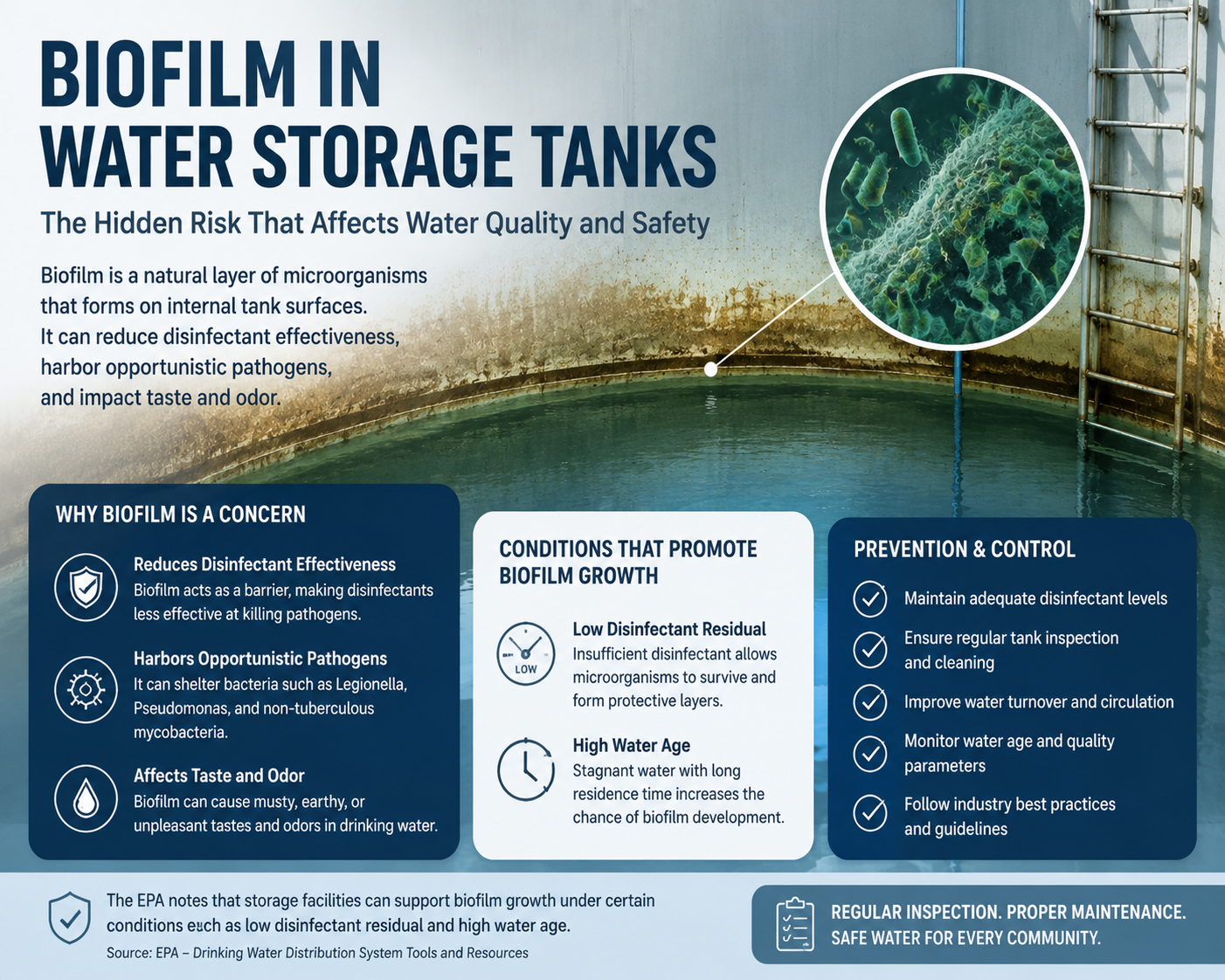
The smooth, non-porous enamel prevents bacterial growth, biofilm formation, and sediment accumulation, ensuring safe water storage for drinking and food applications.
Durability and Longevity
Enamel water tanks can last 25–40 years when properly maintained. The combination of steel and enamel ensures high mechanical strength and long-term resistance to wear.
Low Maintenance
Minimal cleaning is required, and the enamel surface reduces the need for chemical treatment or repainting.
Temperature Stability
Enamel coating provides excellent thermal resistance, maintaining water quality even in high-temperature environments.
Applications of Enamel Water Tanks
- Municipal Water Systems – safe potable water storage.
- Industrial Process Water – resistant to chemical and thermal stress.
- Food and Beverage Industry – hygienic storage for liquids and process water.
- Hospitals and Laboratories – high-purity water storage with minimal contamination risk.
- Firefighting Systems – durable tanks for emergency water supply.
Technical Comparison: Enamel vs Other Water Tanks
| Feature / Tank Type | Enamel Water Tank | Stainless Steel Tank | Galvanized Tank | FRP Tank |
|---|---|---|---|---|
| Corrosion Resistance | Excellent | Excellent | Good | Excellent |
| Hygienic Surface | Excellent | Excellent | Good | Good |
| Structural Strength | High | Very High | High | Medium |
| Maintenance Needs | Low | Low | Low | Medium |
| Lifespan | 25–40 years | 30–50 years | 20–30 years | 20–25 yrs |
| Ideal Applications | Food, Pharma, Municipal | Food, Pharma, Industrial | Industrial | Industrial, Water Treatment |
This comparison highlights enamel tanks’ advantages in hygiene and chemical resistance, making them ideal for sensitive applications.

Manufacturing and Quality Standards
High-quality enamel water tanks follow strict international standards to ensure durability and safety:
- ISO 9001 – Quality management systems.
- NSF/ANSI 61 – Certification for potable water safety.
- EN 12845 – Fire water tank requirements for industrial and municipal use.
- ASTM C1161 – Standard for enamel coating and adhesion testing.
The enamel coating process involves high-temperature fusing, quality inspection for coating integrity, and pressure testing to ensure long-term performance.
Maintenance Guidelines
Routine inspections include checking for cracks in the enamel coating, corrosion at joints, or physical damage. Cleaning should be performed using non-abrasive detergents to preserve the enamel layer. Avoid chemical cleaners with strong acids or alkalis that can damage the coating.
Case Study: Enamel Water Tanks in the Food Industry
A beverage manufacturer in Germany installed a 1,500 m³ enamel water tank for process water storage. Over five years, the tank maintained excellent water quality with minimal cleaning, demonstrating its suitability for high-purity applications. The tank’s durability and hygiene performance reduced operational costs and ensured compliance with strict food safety regulations.
Conclusion
Enamel water tanks provide a hygienic, durable, and chemically resistant solution for water storage in industrial, municipal, and food-related applications. Their long lifespan, low maintenance, and resistance to corrosion make them an ideal choice for projects where water quality and safety are critical. Selecting certified enamel water tanks ensures reliable, long-term performance for a variety of applications.
FAQ
How long do enamel water tanks last?
Typically 25–40 years depending on material quality and maintenance.
Are enamel tanks safe for drinking water?
Yes, certified enamel tanks meet NSF/ANSI 61 standards for potable water.
Can enamel tanks resist chemicals?
The vitreous enamel layer protects against most acidic and alkaline liquids.
How often should enamel tanks be cleaned?
Minimal cleaning is required; generally, once or twice a year depending on usage.
Are enamel tanks suitable for industrial applications?
Yes, especially where hygiene, chemical resistance, and durability are important.