Table of Contents
Introduction
Water storage is never a one-size-fits-all decision. Capacity requirements, installation environments, water quality standards, and operational goals vary widely across industries and regions. This is why custom stainless steel water tanks have become a preferred solution for projects that demand precision, hygiene, and long-term reliability.
Unlike standard off-the-shelf tanks, custom stainless steel water tanks are engineered around your exact specifications. From material grade and dimensions to structural support and application-specific features, customization allows you to build a storage system that performs efficiently from day one and continues to do so for decades. This article provides a comprehensive, practical guide to how custom stainless steel water tanks are designed, manufactured, and applied in real-world projects.

What Defines Custom Stainless Steel Water Tanks
Custom stainless steel water tanks are storage vessels designed and fabricated according to specific project requirements rather than fixed standard sizes or configurations. Customization can involve tank volume, geometry, material grade, wall thickness, reinforcement design, inlet and outlet positioning, roof structure, and integration with foundations or support systems.
Stainless steel itself provides the foundation for durability and hygiene. Its corrosion resistance comes from chromium content, which forms a self-healing passive layer that protects the metal surface. When combined with custom engineering, this material advantage translates into tailored solutions that meet precise functional, regulatory, and environmental needs.
Why Customization Matters in Water Storage Projects
Every water storage project operates under unique constraints. Space limitations, seismic requirements, temperature variations, water chemistry, and usage frequency all influence tank performance. Custom stainless steel water tanks allow engineers and owners to address these variables directly rather than compromise with generic designs.
Customization improves system efficiency by eliminating unused capacity, reducing structural overdesign, and optimizing installation layouts. It also enhances operational reliability by ensuring that tank geometry, reinforcement, and connections align with actual load conditions and usage patterns.
Material Selection for Custom Stainless Steel Water Tanks
Choosing the right stainless steel grade is one of the most important customization decisions. Common options include 304 and 316 stainless steel. Grade 304 is widely used for potable water and general industrial storage due to its strong corrosion resistance and cost efficiency. Grade 316 includes molybdenum, which improves resistance to chlorides and aggressive environments, making it suitable for coastal locations, high-salinity water, or industrial process applications.
Material thickness is also customized based on tank size, water pressure, and external loads. Proper material selection ensures structural stability without unnecessary weight or complexity.
Custom Tank Design and Engineering Considerations
Capacity and Geometry
Custom stainless steel water tanks can be designed as cylindrical, rectangular, or modular panel systems depending on space availability and volume requirements. Vertical cylindrical tanks are common for large capacities, while rectangular or low-profile designs may be preferred for indoor or height-restricted installations.
Structural Reinforcement
Reinforcement design is tailored to tank dimensions and operating conditions. Engineers calculate hydrostatic pressure, wind loads, seismic forces, and roof loads to determine wall thickness, stiffeners, and support requirements. Custom reinforcement ensures safety while maintaining material efficiency.
Inlet, Outlet, and Access Configuration
Custom stainless steel water tanks allow precise placement of inlets, outlets, overflow pipes, vents, manholes, and inspection ports. This improves system integration, simplifies maintenance, and reduces retrofitting costs after installation.
Manufacturing Process for Custom Stainless Steel Water Tanks
Manufacturing begins with detailed engineering drawings and material specifications. Stainless steel sheets or panels are cut, formed, and welded using controlled fabrication processes to maintain structural integrity and corrosion resistance.
Welding quality is critical. Professional fabrication includes proper weld preparation, controlled heat input, and post-weld cleaning or passivation to restore the stainless steel surface. For modular systems, factory-fabricated panels are designed to ensure precise fit and consistent sealing during on-site assembly.
Installation Flexibility and Site Adaptation
Custom stainless steel water tanks can be delivered as prefabricated units or assembled on site, depending on size and logistics. On-site assembly is especially beneficial for large tanks or locations with limited access.
Customization allows tanks to be integrated seamlessly with foundations, concrete bases, steel platforms, or underground support structures. Proper alignment with water tank bases and support rods ensures uniform load distribution and long-term structural stability.
Hygiene and Water Quality Performance
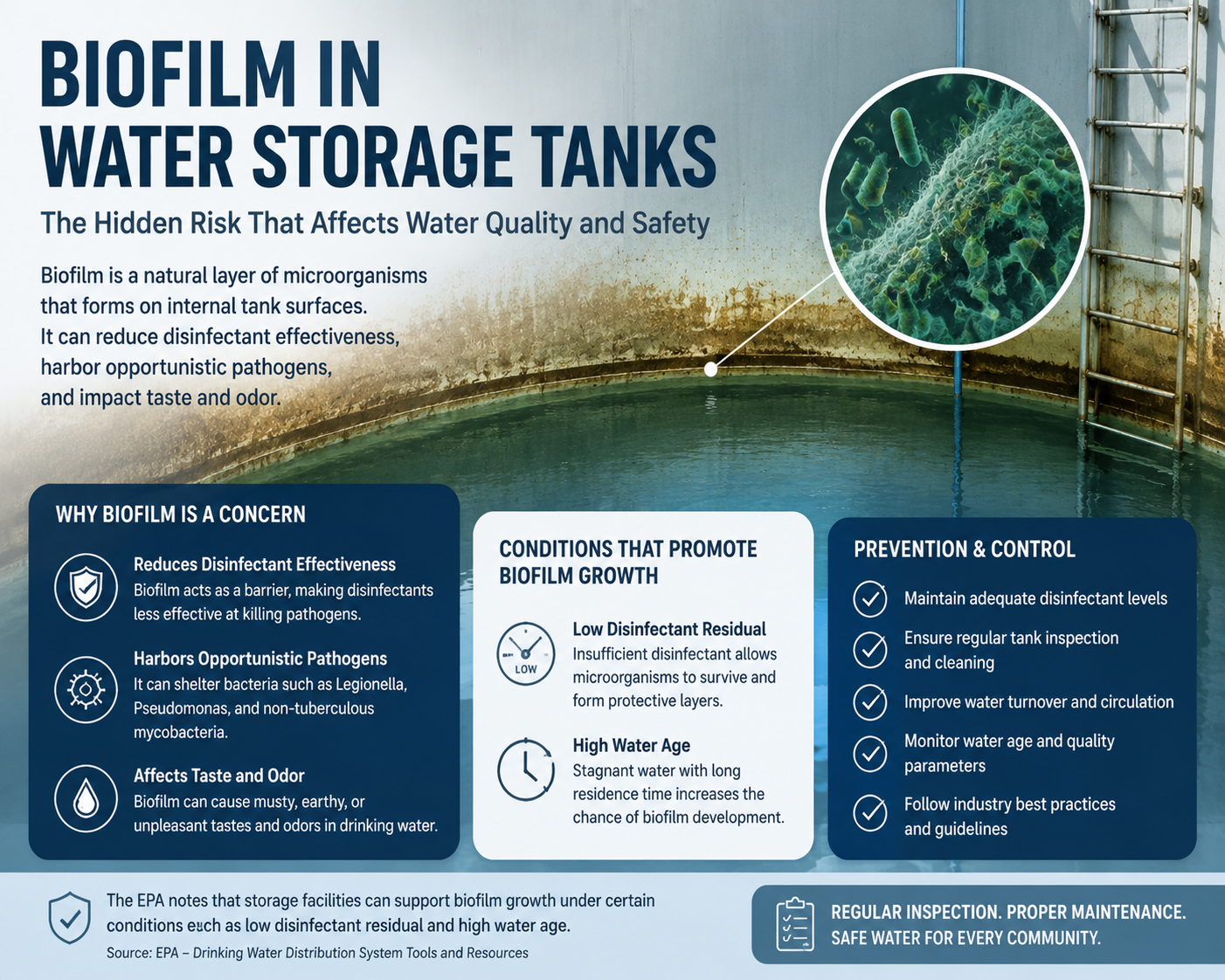
Hygiene is a major advantage of custom stainless steel water tanks. The smooth, non-porous interior surface resists biofilm formation, sediment accumulation, and bacterial growth. Stainless steel does not leach harmful substances into stored water, making it suitable for drinking water, food processing, healthcare facilities, and high-purity industrial applications.
Custom designs can further enhance hygiene by incorporating sloped floors for complete drainage, sealed roof systems to prevent contamination, and access ports that simplify inspection and cleaning.
Maintenance and Long-Term Reliability
One of the key benefits of custom stainless steel water tanks is predictable long-term performance. Routine maintenance typically involves periodic inspection, cleaning, and monitoring of joints or welds. Unlike coated steel tanks, stainless steel does not rely on surface layers that degrade over time.
Customization also simplifies maintenance planning. By designing access points, drainage systems, and monitoring features into the tank from the start, operators can reduce downtime and extend service life.
Application Scenarios for Custom Stainless Steel Water Tanks
Potable Water Systems
Municipal and private water supply projects use custom stainless steel water tanks to meet strict hygiene and regulatory requirements. Custom sizing ensures efficient storage and consistent water quality.
Industrial Process Water
Manufacturing facilities require reliable storage for cooling water, process water, and treated water. Custom stainless steel designs accommodate specific flow rates, temperatures, and chemical conditions.
Food and Beverage Production
Hygienic design is essential in food-related industries. Custom stainless steel water tanks support clean-in-place systems, controlled drainage, and contamination prevention.
Healthcare and Pharmaceutical Facilities
Hospitals and pharmaceutical plants rely on custom stainless steel water tanks to store purified or treated water under controlled conditions, ensuring safety and compliance.

Table: Key Features of Custom Stainless Steel Water Tanks
| Design Aspect | Custom Stainless Steel Water Tanks |
|---|---|
| Material Options | 304, 316, and other grades |
| Capacity Range | Fully customizable |
| Corrosion Resistance | Excellent |
| Hygiene Performance | High |
| Installation Method | Prefabricated or on-site assembly |
| Maintenance Needs | Low |
| Service Life | Long-term |
Environmental and Sustainability Considerations
Stainless steel is one of the most recyclable construction materials globally. Many custom stainless steel water tanks are manufactured using recycled content and can be fully recycled at the end of their service life. Customization further supports sustainability by reducing material waste and optimizing resource use.
Conclusion
Custom stainless steel water tanks provide a tailored, high-performance solution for modern water storage challenges. By aligning tank design with specific operational, environmental, and regulatory requirements, customization delivers superior hygiene, structural reliability, and long-term value.
Whether used in potable water systems, industrial facilities, or specialized applications, custom stainless steel water tanks offer the flexibility and durability needed for dependable water storage over decades. When designed and installed correctly, they become a critical asset in any infrastructure system.
FAQ
What makes custom stainless steel water tanks different from standard tanks?
They are engineered to specific project requirements, including size, material grade, structure, and connection layout.
Are custom stainless steel water tanks suitable for drinking water?
Yes, stainless steel is widely approved for potable water due to its hygienic and non-reactive properties.
Which stainless steel grade is best for custom water tanks?
Grade selection depends on water chemistry and environment, with 304 and 316 being the most common options.
Do custom stainless steel water tanks require special maintenance?
Maintenance is minimal and typically involves routine inspection and cleaning.
Can custom stainless steel water tanks be installed indoors or outdoors?
Yes, custom designs can accommodate both indoor and outdoor installations across various environments.