Central air-conditioning terminals are the interface between large-scale HVAC systems and the indoor environment. Over the past decade, advancements in energy efficiency, noise reduction, and smart control have significantly transformed the industry.
Key Innovations
- Energy-Efficient Design: Modern terminals use optimized airflow patterns and variable-speed motors, reducing electricity consumption by up to 30%.
- Noise Reduction Technology: Enhanced insulation and vibration dampening make terminals quieter, ideal for offices, hospitals, and residential buildings.
- Smart Control Systems: Integration with building automation allows real-time monitoring and adaptive climate control, improving comfort while minimizing energy waste.
- Durable Materials: High-quality metals and coatings ensure longevity and resistance to corrosion, even in humid or industrial environments.
Impact on Buildings: Efficient terminal systems help lower operational costs, extend HVAC lifespan, and improve indoor air quality—benefits increasingly valued by architects, engineers, and facility managers.
Industrial Water Tanks: Ensuring Reliable Water Storage
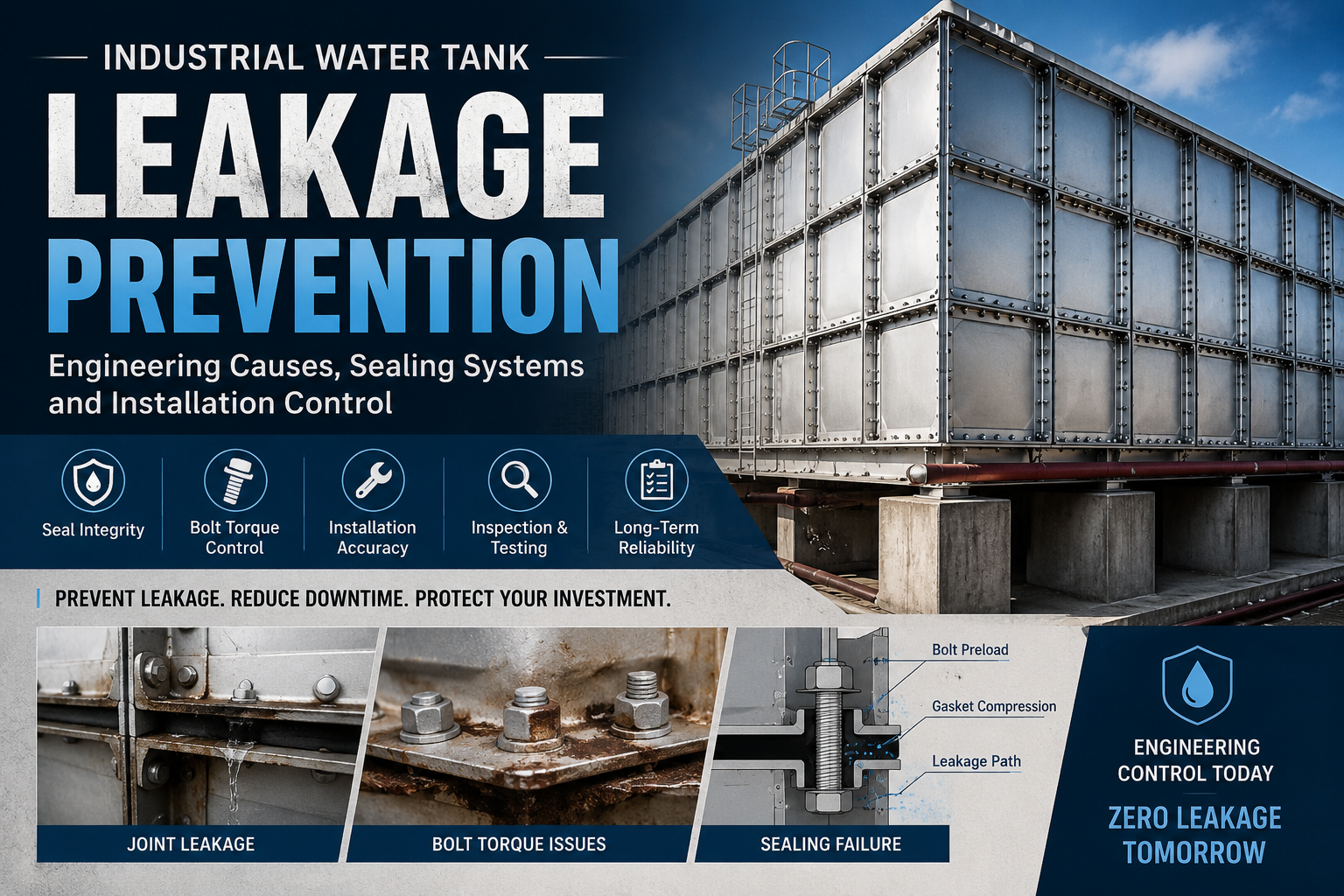
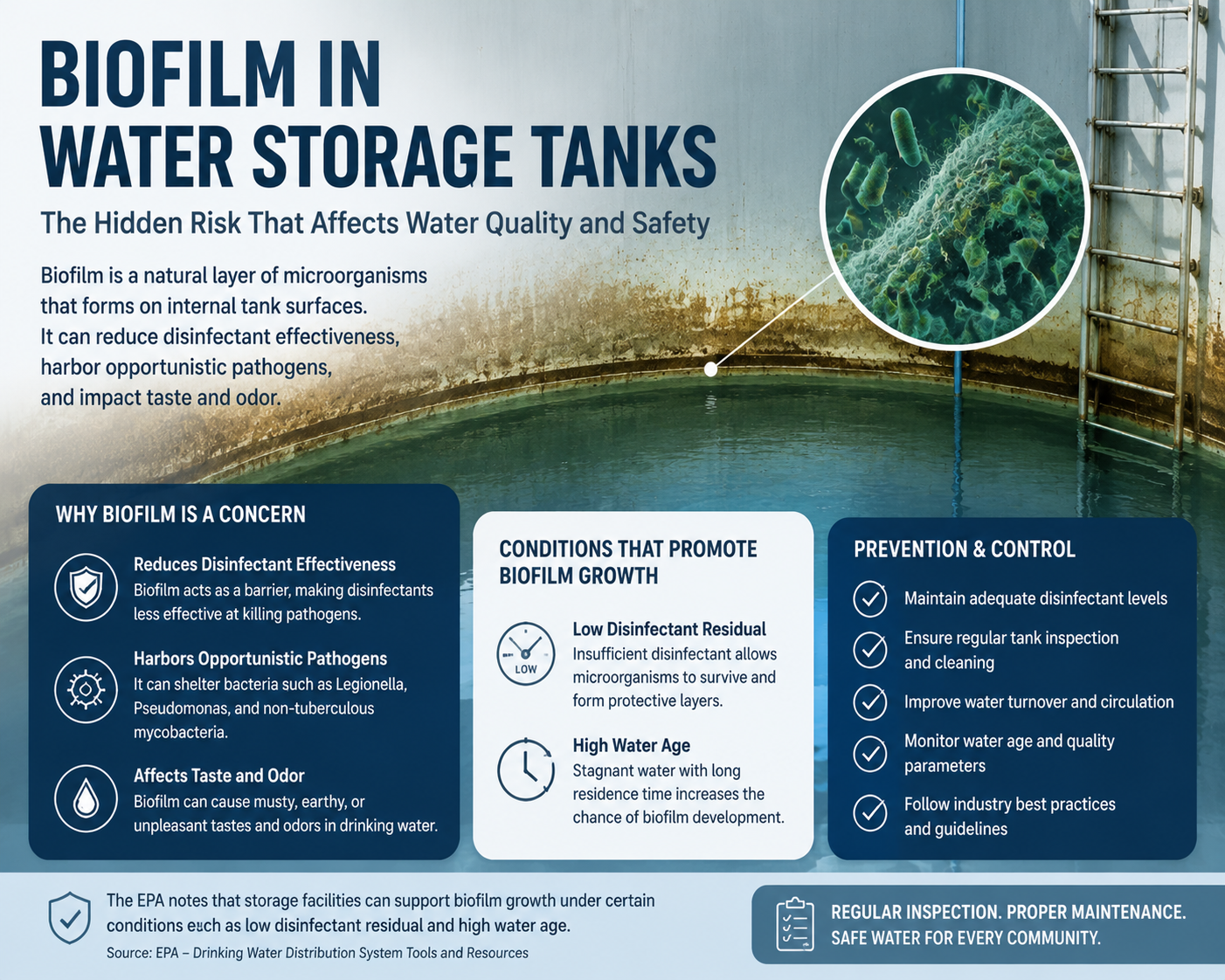
Industrial water tanks are critical for storing potable water, fire protection systems, and industrial process needs. Recent trends highlight modularity, durability, and integration with smart monitoring systems.
Advantages
- Material Versatility: Fiberglass, stainless steel, galvanized steel, and enamel-coated tanks cater to different industrial and environmental conditions.
- Modular Assembly: Panels can be assembled on-site, reducing transportation costs and adapting to space constraints.
- Durability and Safety: Tanks resist corrosion, impacts, and pressure variations, ensuring long-term reliability.
- Integrated Monitoring: Smart sensors detect water levels, temperature, and potential leaks, allowing proactive maintenance.
Applications: Industrial water tanks are widely used in manufacturing plants, high-rise residential buildings, hospitals, and commercial complexes. Their reliable storage ensures uninterrupted operations and compliance with safety regulations.
Water Treatment Systems: Addressing Global Challenges
Water treatment remains a critical component of industrial and municipal infrastructure. Growing environmental concerns and stricter regulations drive innovation in physical, chemical, and filtration technologies.
Emerging Trends
- Physical Treatment: Advanced filtration, sedimentation, and ultraviolet (UV) disinfection methods remove contaminants while minimizing chemical usage.
- Chemical Treatment: Automated dosing systems maintain optimal pH, prevent scaling, and ensure water safety for industrial and human use.
- Automation and Smart Monitoring: IoT-enabled sensors track water quality, flow rates, and energy consumption, enabling predictive maintenance.
- Sustainability Focus: Energy-efficient pumps, low-waste filtration, and recycling strategies reduce environmental impact.
Applications: Industrial manufacturing, municipal water supply, cooling towers, and fire protection systems all benefit from modern water treatment, ensuring safe and compliant operations.
Industry Trends and Market Insights
1. Integration and Smart Systems
The future of HVAC and water management lies in fully integrated, automated solutions. Combining air-conditioning terminals, water storage, and treatment systems allows for optimized energy consumption, predictive maintenance, and seamless operation.
2. Green and Sustainable Technologies
Energy efficiency and sustainability are driving product innovation. Low-energy motors, renewable energy integration, and advanced water recycling systems are no longer optional—they are standard expectations in modern projects.
3. Modular and Flexible Designs
Urban environments demand adaptable solutions. Modular air-conditioning units and water tanks enable quick installation, future scalability, and lower lifecycle costs.
4. Global Demand and Standardization
With industrialization spreading worldwide, international standards such as ISO and CE certifications are becoming critical. Companies are adopting these standards to ensure global compliance and facilitate international projects.
5. Predictive Maintenance and IoT Applications
IoT sensors and cloud-based monitoring systems are transforming how facilities manage HVAC and water systems. Predictive analytics prevent downtime, optimize energy usage, and extend equipment lifespan.
Practical Applications
Central air-conditioning, industrial water tanks, and water treatment systems are used in various sectors:
- Commercial Buildings: Offices, malls, hotels, and hospitals rely on efficient HVAC and water management for occupant comfort.
- Industrial Plants: Manufacturing, processing, and chemical industries require reliable water storage and treatment systems to ensure operational continuity.
- Municipal Infrastructure: Urban water supply, sewage treatment, and fire protection systems depend on robust, large-capacity storage and treatment solutions.
- Data Centers: Cooling and water circulation systems are critical to maintaining optimal operating conditions for sensitive equipment.
- Residential Complexes: Multi-story buildings utilize smart terminals and modular tanks to ensure comfort and water security for residents.
Expert Insights
Industry experts emphasize:
- Energy Efficiency is Key: Reducing operational costs while maintaining comfort and safety is the primary driver for adoption.
- Digital Transformation: Smart controls, monitoring, and predictive analytics will dominate future HVAC and water management systems.
- Environmental Compliance: Regulations will continue to shape product design, material selection, and treatment methods.
Challenges and Solutions
While innovation accelerates, several challenges persist:
- High Initial Costs: Advanced systems require higher upfront investment. Solutions include modular designs and energy-saving ROI calculations.
- Complex Maintenance: Smart systems require trained personnel, but predictive analytics and remote monitoring mitigate risks.
- Environmental Constraints: Harsh climates and industrial conditions demand materials resistant to corrosion, temperature variations, and pressure fluctuations.
Customer Experiences
Customers worldwide report significant improvements in efficiency, comfort, and water quality:
- “Smart water treatment units reduced maintenance costs while improving reliability in our plant.”
- “Air-conditioning terminals maintain even temperatures with minimal noise, enhancing office comfort.”
- “Modular water tanks allowed quick installation and seamless integration into our industrial facility.”
Future Outlook
The next decade promises further integration, automation, and sustainability. Central air-conditioning terminals, industrial water tanks, and water treatment systems will increasingly leverage IoT, renewable energy, and predictive maintenance.
The industry is moving towards:
- Fully integrated building management systems
- Eco-friendly, energy-saving technologies
- Flexible, modular designs for urban infrastructure
- International standardization for global projects
As demand grows worldwide, the focus will remain on efficiency, reliability, and environmental responsibility.