As urbanization accelerates and industrial infrastructure expands, the need for reliable, efficient, and sustainable environmental systems has never been greater. Modern buildings, factories, hospitals, and commercial complexes all depend on central air conditioning terminals, industrial water tanks, and water treatment systems to maintain comfort, safety, and operational efficiency.
This article explores how companies specializing in these technologies are transforming the industry by integrating energy-efficient HVAC solutions, durable water storage, and advanced water treatment systems. We will discuss product features, competitive advantages, industry applications, global market trends, and future innovations. By understanding these dynamics, businesses can make informed decisions about infrastructure investments that reduce costs, improve sustainability, and enhance operational performance.
1. Industry Overview
1.1 Growth of HVAC and Water Management
The HVAC industry, particularly central air conditioning, continues to expand rapidly due to urban growth, industrialization, and stricter environmental regulations. Central air conditioning terminals, including fan coil units, air handling units, and diffusers, are critical components that deliver conditioned air efficiently and reliably.
Simultaneously, the industrial water tank and water treatment market is growing in parallel. With increasing demand for safe, reliable water supply in manufacturing, healthcare, and commercial sectors, companies are investing heavily in storage and purification technologies. According to recent reports, the global HVAC market is projected to exceed USD 350 billion by 2030, while the industrial water treatment sector is expected to surpass USD 1 trillion, reflecting rising awareness of water quality, conservation, and energy efficiency.
1.2 Industry Drivers
Several factors are driving this growth:
- Energy efficiency regulations: Governments worldwide are enforcing standards that reduce energy consumption in buildings.
- Environmental sustainability: Companies are adopting green building practices and eco-friendly operations.
- Technological innovation: Smart HVAC controls, IoT monitoring, and modular water storage systems improve efficiency and flexibility.
- Health and safety concerns: Clean water and indoor air quality are essential for occupant well-being.
1.3 Challenges
Despite growth, the industry faces several challenges:
- High energy consumption in traditional systems.
- Maintenance and operational complexity for large-scale facilities.
- Risks associated with water contamination and equipment reliability.
- Pressure to adopt sustainable technologies without increasing costs excessively.
2. Central Air Conditioning Terminals
2.1 Product Overview
Central air conditioning terminals distribute conditioned air throughout a building, ensuring temperature stability, air quality, and comfort. Key terminal components include:
- Fan Coil Units (FCUs): Compact units providing localized heating or cooling.
- Air Handling Units (AHUs): Manage large air volumes for ventilation and filtration.
- Diffusers and Ductwork: Deliver air efficiently to occupied spaces.
- Smart Control Systems: Enable automated and remote management of airflow, temperature, and energy usage.
2.2 Advantages
- Energy Efficiency: Modern terminals consume 20–30% less energy compared to traditional systems.
- Customizable Comfort: Zoned control allows precise adjustment in different areas.
- Quiet Operation: Advanced design minimizes noise in occupied spaces.
- Sustainability: Reduced carbon footprint and compliance with green building standards.
2.3 Applications
Central air conditioning terminals are essential in:
- Hospitals and healthcare facilities: Maintain sterile, temperature-controlled environments.
- Commercial complexes: Office buildings, shopping malls, and hotels.
- Educational institutions: Universities and laboratories.
- Industrial facilities: Factories requiring climate control for processes and worker comfort.
3. Industrial Water Tanks
3.1 Product Overview
Industrial water tanks store and supply water for various applications, including cooling systems, process water, firefighting, and potable supply. They are available in:
- Stainless Steel Tanks: Durable, corrosion-resistant, and hygienic.
- Glass-Fiber Reinforced Plastic (FRP) Tanks: Lightweight and easy to install.
- Modular Tanks: Scalable solutions that can be adapted for space or capacity requirements.
3.2 Advantages
- Durability and Longevity: Built to last decades with minimal maintenance.
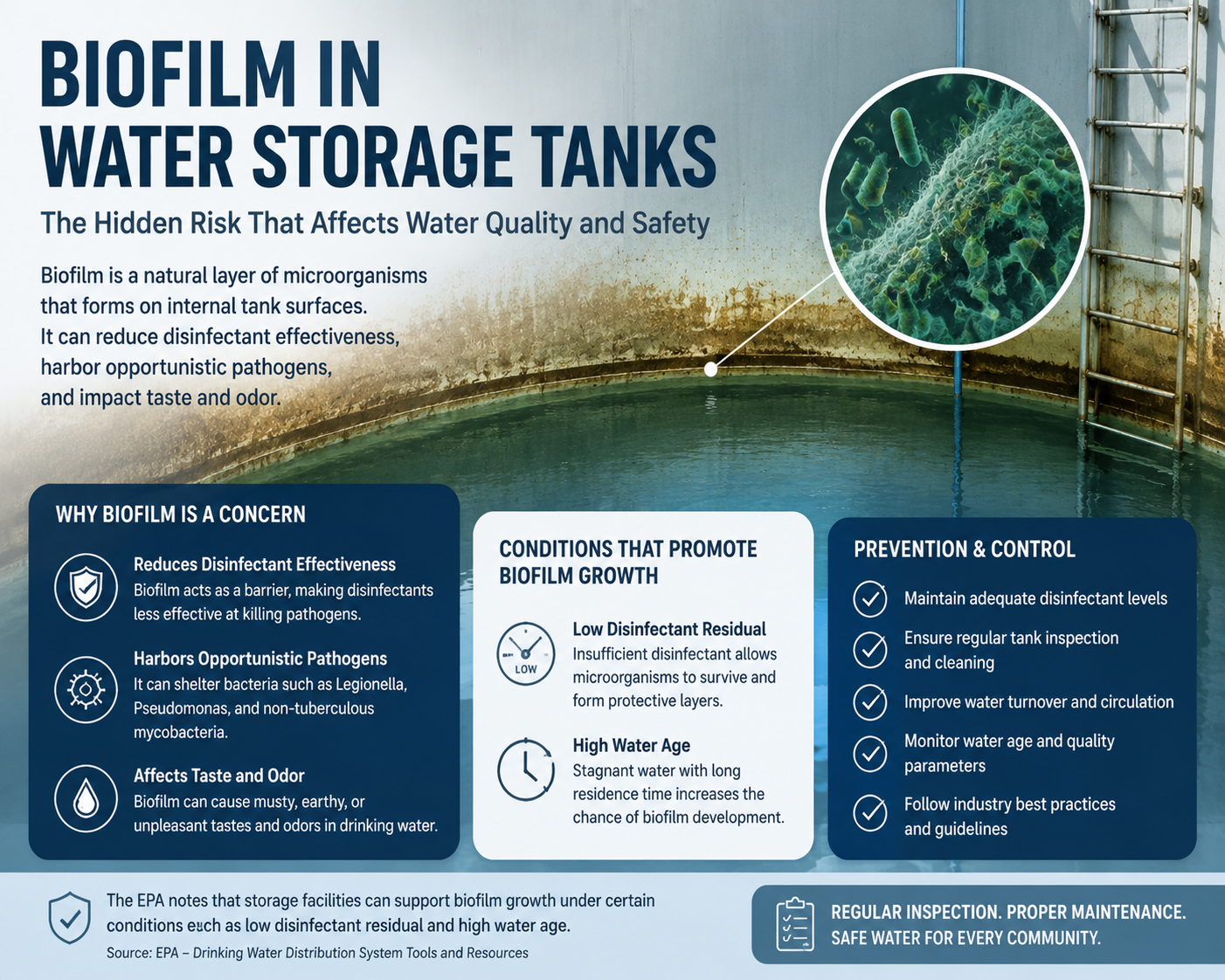
- Safety and Hygiene: Prevent contamination and support safe water storage.
- Flexibility: Sizes and designs customized to project needs.
- Integration: Can be connected to smart monitoring systems for real-time water level and quality tracking.
3.3 Applications
- Manufacturing: Provides stable process water and emergency reserves.
- High-Rise Buildings: Ensures consistent water supply and pressure.
- Municipal Facilities: Supports water distribution and emergency storage.
- Agriculture: Supplies irrigation water for farms and greenhouses.
4. Water Treatment Solutions
4.1 Product Overview
Water treatment systems ensure water is clean, safe, and suitable for its intended use. Components may include:
- Filtration Systems: Remove suspended solids and impurities.
- Reverse Osmosis Units: Provide purified water for industrial and human use.
- Disinfection Systems: UV, ozone, or chemical treatments for microbiological safety.
- Softening and Conditioning Units: Reduce scale and protect equipment.
4.2 Advantages
- Health and Safety: Safe water for employees, residents, and patients.
- Equipment Protection: Prevents corrosion and prolongs machinery lifespan.
- Environmental Compliance: Meets strict local and international water standards.
- Efficiency: Reduces water waste through recycling and smart monitoring.
4.3 Applications
- Pharmaceutical and Food Industries: High-purity water for processes.
- Municipal Supply: Safe drinking water for urban communities.
- Industrial Cooling: Supports HVAC and production systems.
- Hospitals and Laboratories: Critical for hygiene and operational safety.
5. Advantages of Integrated Solutions
Companies offering both HVAC and water solutions provide unmatched benefits:
- One-Stop Service: Design, production, installation, and maintenance under one provider.
- Energy Optimization: Integrated systems reduce overall energy consumption.
- Custom Solutions: Tailored to the scale and requirements of each project.
- Global Support: Experience with international projects ensures reliable service worldwide.
- Sustainability Focus: Emphasis on green technologies and reduced carbon footprint.
6. Industry Applications
Integrated solutions are widely used in:
- Hospitals: Ensure controlled environments and safe water supply.
- Hotels and Resorts: Deliver comfort and hygiene to guests.
- Factories: Efficient cooling and water management for industrial operations.
- Schools and Universities: Healthy environments for students and staff.
- Data Centers: Maintain precise cooling and water treatment for high-tech equipment.
- Commercial Complexes: Offices, malls, and government buildings rely on these systems.
7. Market Trends and Challenges
7.1 Market Trends
- Smart Technology Integration: IoT-enabled HVAC and water systems.
- Energy-Efficient Designs: Reducing operational costs and carbon emissions.
- Modular and Scalable Solutions: Easier deployment for large and complex facilities.
- Green Certifications: Buildings and facilities are seeking LEED, BREEAM, or equivalent approvals.
7.2 Challenges
- High upfront investment for advanced systems.
- Need for skilled personnel for maintenance and monitoring.
- Water scarcity and environmental regulations increasing operational complexity.
- Balancing cost efficiency with sustainability goals.
8. Future Outlook
The industry is moving toward smart, sustainable, and fully integrated solutions:
- AI-powered controls for HVAC and water systems.
- Renewable energy integration for reduced operational costs.
- Predictive maintenance to avoid downtime.
- Modular and flexible systems for urban and industrial expansion.
- Global adoption in emerging markets where urban infrastructure is growing rapidly.
Companies investing in innovation, sustainability, and international support networks are expected to lead the industry in the next decade.