Оглавление
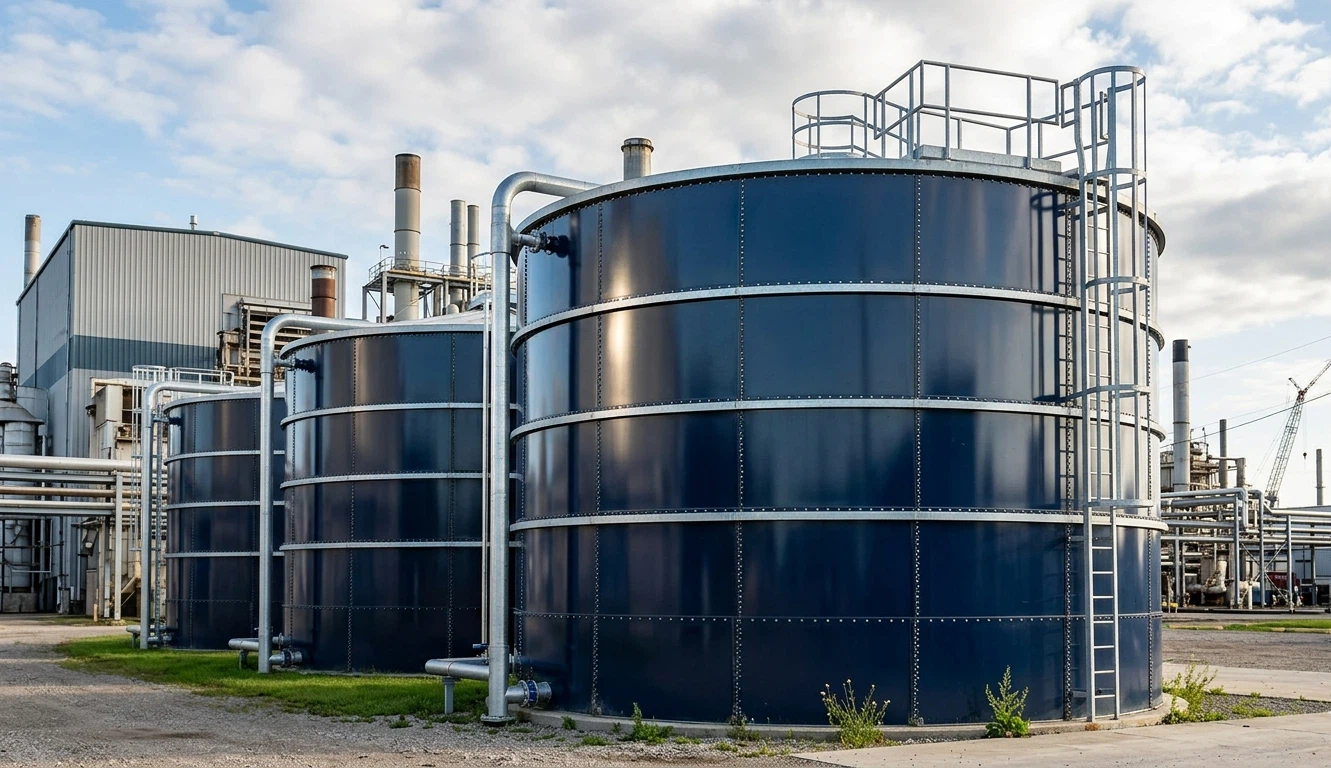
Industrial wastewater storage is a critical aspect of waste management in industries that generate wastewater. Choosing the right industrial wastewater storage solution ensures that businesses can store wastewater safely, efficiently, and in an environmentally-friendly manner. The type of storage tank you choose will depend on factors such as the nature of the wastewater, the space available, and your budget.
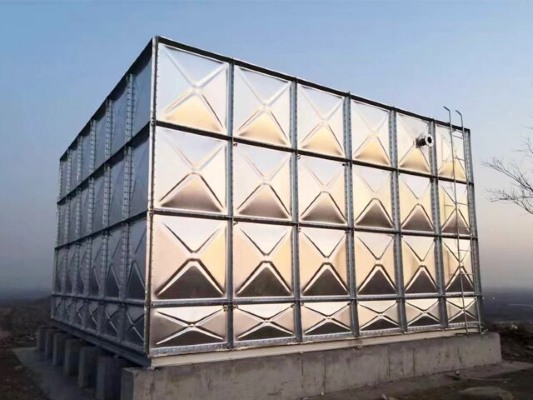
Galvanized Water Tanks for Industrial Wastewater Storage
Оцинкованные резервуары для воды are a popular choice for industrial wastewater storage due to their affordability and corrosion resistance. These tanks are made of steel coated with a zinc layer, which helps prevent rust and corrosion. However, they are most effective in storing wastewater that is not highly corrosive.
Scenario for Galvanized Tanks:
In industries such as automotive manufacturing, where wastewater contains low levels of contaminants like oils and dirt, Galvanized Water Tanks can provide an effective storage solution. They are also suitable for storing wastewater in construction sites where the water is not highly acidic or chemically reactive.
Advantages of Galvanized Water Tanks for Industrial Wastewater Storage
- Cost-effective: Ideal for businesses with limited budgets that need large-scale storage solutions.
- Коррозионная стойкость: Zinc coating provides reliable protection against rust for several years.
- Suitable for non-corrosive wastewater: Galvanized tanks work well for industries that generate less chemically aggressive wastewater.
Disadvantages
- Limited lifespan: Over time, the zinc coating can degrade, leading to rust.
- Not suitable for highly acidic wastewater: Galvanized tanks may not withstand extreme chemical exposure.
Galvanized Water Tanks are best for industries with moderate wastewater contaminants, such as textile or light manufacturing plants.
Stainless Steel Water Tanks: Durability for Harsh Wastewater
For industries handling highly corrosive or chemically reactive wastewater, Баки для воды из нержавеющей стали are an ideal choice for industrial wastewater storage. These tanks are made from an alloy of steel and chromium, which gives them superior corrosion resistance and durability.
Scenario for Stainless Steel Tanks:
For industries like chemical manufacturing, where wastewater can contain highly acidic substances, Stainless Steel Water Tanks offer the best solution. These tanks are also commonly used in pharmaceutical and food processing industries, where cleanliness and corrosion resistance are essential.
Advantages of Stainless Steel Water Tanks for Industrial Wastewater Storage
- Superior corrosion resistance: Stainless steel is highly resistant to rust and degradation.
- Long-lasting: These tanks are extremely durable, providing long-term storage solutions for highly aggressive wastewater.
- Низкие затраты на обслуживание: Easy to clean and maintain, ensuring that your industrial wastewater storage system remains efficient for years.
Disadvantages
- Higher initial cost: Stainless steel tanks come with a higher price tag due to the material’s cost.
- Heavy weight: Installation can be more complex due to the weight of stainless steel.
If your industry handles wastewater with high chemical exposure, Stainless Steel Water Tanks are the best choice for your industrial wastewater storage needs.

Enamel Water Tanks for Industrial Wastewater Storage
Эмалированные резервуары для воды offer a combination of steel and enamel coatings, providing a corrosion-resistant solution that is particularly suitable for industries with moderate wastewater exposure. These tanks are affordable and reliable for storing industrial wastewater in less harsh conditions.
Scenario for Enamel Tanks:
For example, in industries like breweries or agriculture, where wastewater contains organic matter, Enamel Water Tanks are a good fit. These industries require easy-to-clean, durable tanks that can handle wastewater without deteriorating from mild chemicals.
Advantages of Enamel Water Tanks for Industrial Wastewater Storage
- Corrosion protection: Enamel coating offers excellent corrosion resistance.
- Smooth, easy-to-clean surface: Ideal for industries that require sanitation and minimal bacterial buildup.
- Cost-effective: Enamel tanks are more affordable than stainless steel tanks while still offering reliable protection.
Disadvantages
- Vulnerable to cracking: Enamel can crack under high pressure or impact.
- Limited flexibility: Not the best choice for industries with extreme temperature fluctuations.
Enamel Water Tanks are perfect for industries with moderate wastewater, such as breweries, where sanitation and cost-effectiveness are key considerations.
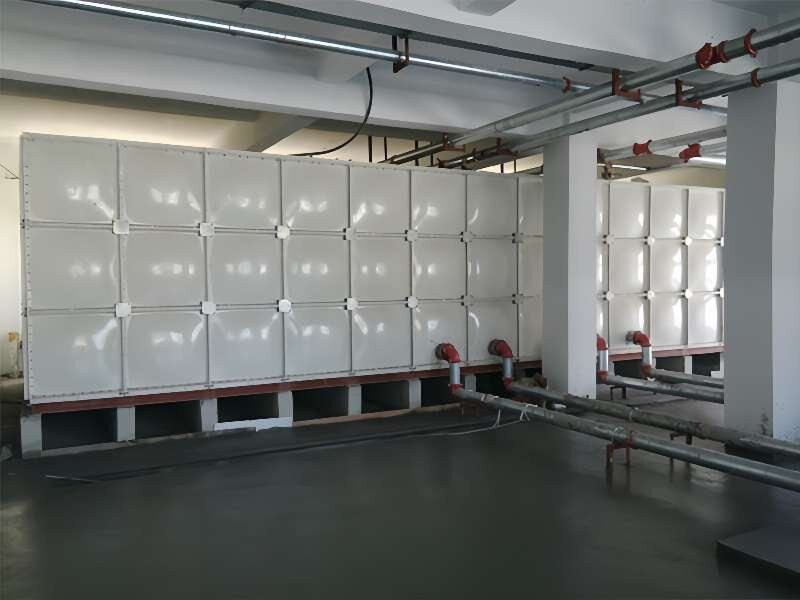
Fiberglass Water Tanks for Industrial Wastewater Storage
Fiberglass water tanks are lightweight and durable, offering another excellent option for industrial wastewater storage. Made from a combination of glass fibers and resin, fiberglass tanks are highly resistant to corrosion, making them suitable for storing a variety of wastewater types.
Scenario for Fiberglass Tanks:
Fiberglass Water Tanks are perfect for industries dealing with acidic or chemical-laden wastewater, such as fertilizer plants or mining operations, where wastewater might contain reactive substances that would degrade other types of tanks.
Advantages of Fiberglass Water Tanks for Industrial Wastewater Storage
- Corrosion-resistant: Ideal for highly acidic or chemically reactive wastewater.
- Легкий: Easier to install and transport compared to stainless steel or galvanized tanks.
- Низкие затраты на обслуживание: Requires minimal upkeep and is resistant to algae buildup.
Disadvantages
- Higher initial cost: Fiberglass tanks can be more expensive than galvanized options.
- Potential for cracking: While durable, fiberglass can crack if exposed to extreme impact.
Fiberglass Water Tanks are suitable for industries such as chemical processing, where durability and lightweight installation are important.
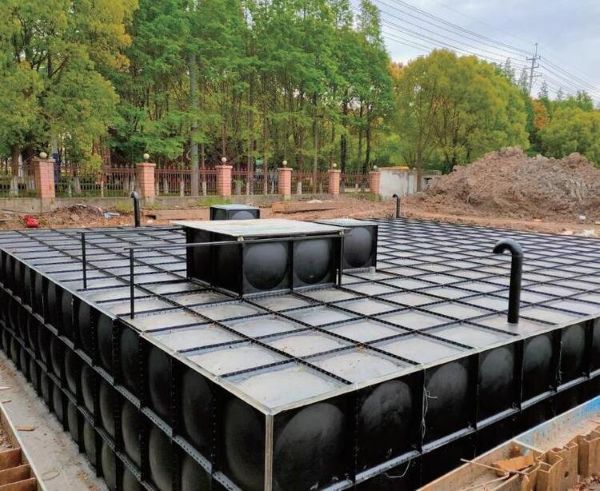
Underground Water Tanks: Efficient Storage When Space Is Limited
For industries located in urban areas or places where above-ground space is limited, подземные резервуары для воды offer a practical and space-saving solution for industrial wastewater storage. These tanks are installed below the ground, making them ideal for areas with limited available space.
Scenario for Underground Tanks:
In municipal wastewater treatment plants or industrial complexes in busy urban areas, Underground Water Tanks provide an efficient way to store wastewater without occupying valuable above-ground space. These tanks also offer protection against external damage.
Advantages of Underground Water Tanks for Industrial Wastewater Storage
- Space-saving: Perfect for sites with limited above-ground space.
- Temperature regulation: The underground location helps maintain a stable temperature.
- Protection: Less vulnerable to damage from external factors like weather or accidents.
Disadvantages
- Более высокая стоимость установки: Excavation and installation are more expensive than above-ground tanks.
- Maintenance challenges: Inspecting and maintaining underground tanks can be more difficult.
For industries in dense urban environments or places where space is at a premium, Underground Water Tanks are the best solution for industrial wastewater storage.
Заключение
In conclusion, the right industrial wastewater storage solution depends on your specific industry needs. For industries with non-corrosive wastewater, Galvanized Water Tanks provide a cost-effective option. For businesses handling highly corrosive wastewater, Stainless Steel Water Tanks and Fiberglass Water Tanks offer superior durability and corrosion resistance. Enamel Water Tanks strike a balance between cost and performance, while Underground Water Tanks are ideal for space-constrained sites.
After considering all factors, Stainless Steel Water Tanks are the most durable and long-lasting choice for most industries handling harsh wastewater.